
Amdatara Sumbar-Bengkulu Commits to Quality Bottled Water Industry
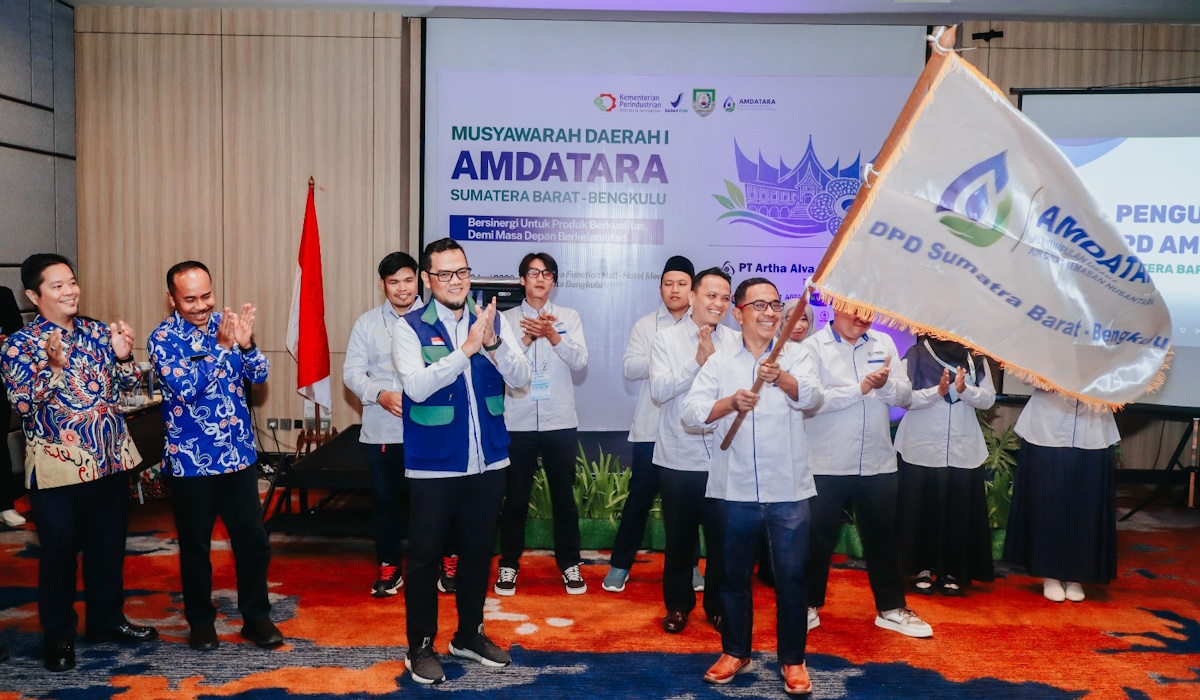
The Nusantara Bottled Water Entrepreneurs Association (Amdatlar) for West Sumatra-Bengkulu is committed to realising a high-quality, competitive, and sustainable bottled water industry (AMDK). One of the key strategies involves strict compliance with the mandatory Indonesian National Standards (SNI), as stipulated in Ministerial Regulation of Industry Number 62 of 2024.
“These mandatory SNI regulations will have a positive impact on the business climate. This policy is capable of creating healthier market competition and limiting the circulation of sub-standard products,” stated the General Chairman of Amdatara, Karyanto Wibowo, during the opening of the Regional Deliberation (Musda) of Amdatara West Sumatra-Bengkulu in Bengkulu last week.
According to Wibowo, this policy will impact small and medium-sized enterprises. He noted that regional businesses still face several challenges, particularly regarding technical capacity and resources.
He continued that medium and large-scale companies generally already adhere to SNI standards and strict quality systems. Therefore, he added, medium and large companies are relatively prepared to face the implementation of such regulations.
“Consequently, an adequate transition period and concrete support from the government are required to prevent disruptions to business continuity and the stability of market supply,” he said.
The inaugural Regional Deliberation held by the Amdatara Regional Representative Office emphasised synergy between business actors, the government, and other stakeholders in supporting the development of a healthy, competitive, and responsible bottled water industry.
“Amdatara serves as a collaborative platform for bottled water industry players to continuously improve quality standards, strengthen competitiveness, and contribute to the provision of safe and high-quality drinking water for the community,” he stated.
The Chairman of the Amdatara West Sumatra-Bengkulu Regional Representative Office, Azra’i, revealed that the bottled water industry currently faces various challenges, ranging from issues regarding the sustainability of water resources and the prevalence of illegal products to the demands of implementing a circular economy. Furthermore, global economic uncertainty and geopolitical crises have contributed to rising energy prices, production raw material costs, and disruptions to industrial supply chains.
“Business actors are required to continuously adapt through efficiency, innovation, and the ability to read market developments to remain resilient and competitive,” he said.
Azra’i continued that Amdatara continues to encourage various strategic programmes, including strengthening compliance with the Indonesian Food and Drug Authority (BPOM) standards and the Indonesian National Standards (SNI), implementing a circular economy through the Extended Producer Responsibility (EPR) scheme, and sustainable water resource management.