
Ambarawa Railway Museum Preserves the Legacy of Indonesia's Mountainous Railway Technology
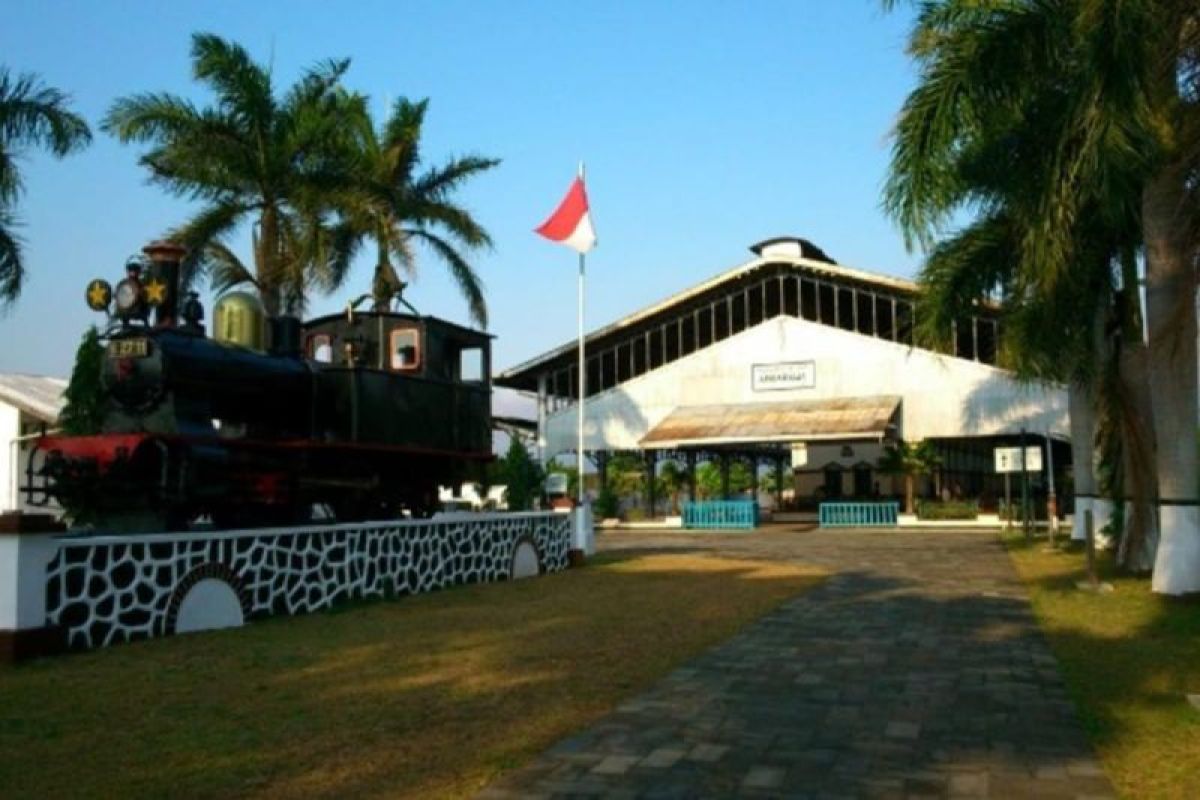
The Semarang region and its surroundings host various destinations that preserve the long history of Indonesia’s journey. One such site is the Ambarawa Railway Museum, a heritage destination that presents railway history through station buildings, rolling stock collections, and railway technology from various eras.
The Ambarawa Railway Museum is located at the former Ambarawa Station, also known as Willem I Station. The station was built by the Nederlands-Indische Spoorweg Maatschappij (NIS) and began operations on 21 May 1873, coinciding with the opening of the Kedungjati–Ambarawa railway line.
The existence of Willem I Station is closely linked to the development of the Ambarawang area during that period. The name Willem I refers to the Willem I Fort located in the Ambarawa region. At the time, this station was used to support community mobility, goods distribution, and local economic activities.
A significant part of the Ambarawa Railway Museum’s history is the existence of the cog railway line to Bedono. This line utilised rack railway technology to assist trains in navigating the steep terrain of the mountainous area. This technology remains a significant milestone in the development of Indonesian railways as it was adapted to the region’s geographical conditions.
The history of Ambarawa Station continued as part of railway heritage preservation. On 21 April 1978, Ambarawa Station was officially inaugurated as the Ambarawa Railway Museum. The various collections housed within, ranging from steam locomotives and rolling stock to operational support equipment, illustrate the evolution of Indonesian rail transport through the ages.
Public visitation to the Ambarawa Railway Museum has been recorded over recent years. Throughout 2024, the museum received 161,395 visitors. Visitation in 2025 reached 180,944, while the period from January to August 2026 recorded 148,148 visitors. Overall, from 2024 to August 2026, the total reached 490,487 visitors.
Travel to the Semarang area is also supported by railway services. From January to August 2026, Semarang Tawang Station served 1,262,315 passengers, consisting of 628,946 boarding and 633,369 alighting passengers. Meanwhile, Semarang Poncol Station recorded 1,867,005 passengers, with 902,984 boarding and 964,021 alighting.
Anne Purba, Vice President of Corporate Communication at KAI, stated that the Ambarawa Railway Museum is a destination that introduces the long journey of Indonesian railways through historical legacies that can still be seen today.
“The journey of Indonesian railways holds many stories stored in various regions. The Ambarawa Railway Museum provides an opportunity for the public to see the traces of that journey firsthand through historic station buildings, rolling stock collections, and railway technology that developed in accordance with Indonesia’s regional conditions,” said Anne.
Tourism activity in the Semarang Regency continues to grow. According to data from the Central Bureau of Statistics (BPS) of Semarang Regency, the number of tourist visits in 2025 reached 4,511,945, consisting of 4,506,002 domestic tourists and 5,943 international tourists.
As the weekend approaches, the Ambarawa Railway Museum remains a preferred choice for historical tourism for those wishing to enjoy a journey while learning more about the development of Indonesian railways.
Source: jawawa.id (https://jawawa.id/newsitem/ambarawa-railway-museum-preserves-the-legacy-of-indonesias-mountainous-railway-technology-1789228783)
Originally published by Antara (Indonesian) (https://www.antaranews.com/berita/5738269/museum-kereta-api-ambarawa-menyimpan-jejak-teknologi-kereta-api-pegunungan-indonesia), translated from Indonesian