
Amazon Built a Massive Data Centre in a California Town for 5 Years Without Residents' Knowledge
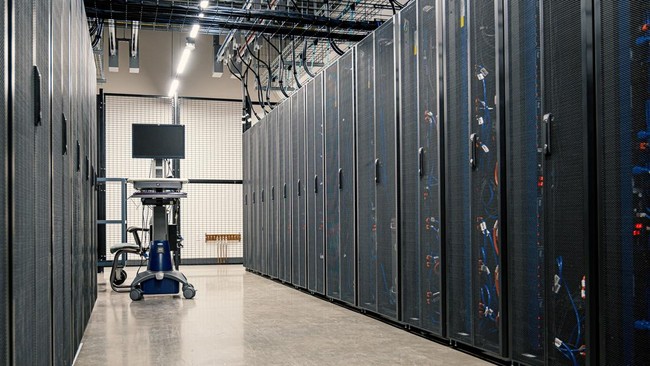
A massive data centre project owned by Amazon in the city of Gilroy, California, proceeded for five years without the knowledge of local residents. The community only became aware of the project once the buildings began to appear. According to a report by The Wall Street Journal, Amazon exploited a city planning regulation issued 45 years ago to build the facility, which spans more than 4 hectares on a 56-hectare plot. The old rule permitted industrial construction along the motorway without requiring resident approval or a majority vote; only a single city official granted the permit. ‘Most residents only found out about this project after construction had started,’ primary school teacher Coleen Crew told a city council meeting. When a resident named Rosa Rodriguez attempted to raise objections regarding the environmental impact and dwindling water supply, city officials informed her that the public comment period had closed in September 2024, long before the community was aware the project existed. Residents oppose the development because data centres consume an extraordinary amount of electricity, potentially driving up household tariffs. The facility is also known to contribute to greenhouse gas emissions, generate disruptive noise, and deplete water supplies. The site is estimated to use 49 megawatts of power, equivalent to the consumption of 20,000 homes, and 7.5 million gallons of water annually. The Mayor of Gilroy compared the data centre to a food distribution warehouse built previously without protest, stating, ‘They didn’t object when the food distribution centre was built without their involvement, but now they object when a data centre is built without public engagement.’ After the project was discovered, Amazon attempted to placate residents by promising a new wastewater channel, tax revenue, construction jobs, and sponsorship of the city’s annual garlic festival. Despite these offers, residents continue to demand that they should have been informed from the outset for a project of this scale. Amazon acknowledged it followed the existing permitting procedures for industrial land but admitted it should have engaged the community earlier. ‘We have met directly with residents and held open meetings to hear their input,’ said Roger Wehner, vice president of economic development for Amazon Web Services. City officials are now considering changing the permitting rules to require public meetings before permits are issued for major projects.