
Amar Bank sees high economic potential in film industry
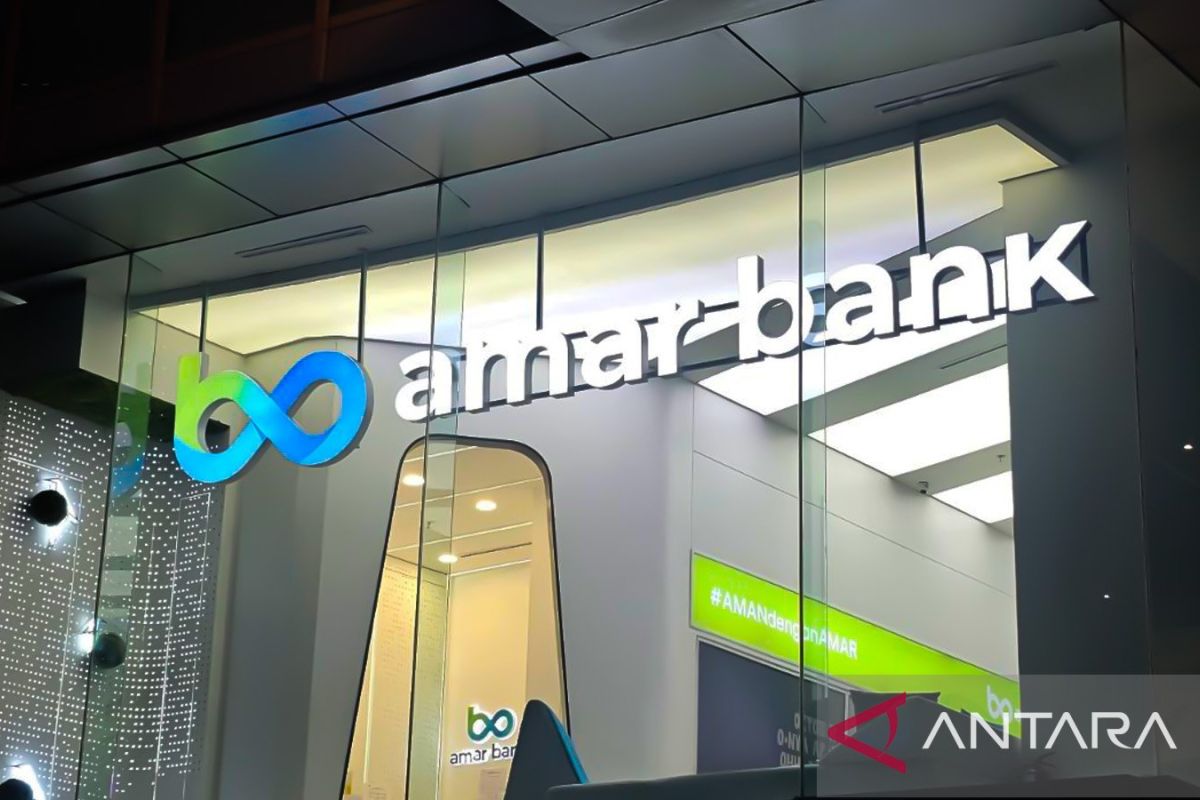
Senior Vice President of MSME at PT Bank Amar Indonesia Tbk (Amar Bank), Josua Sloane Solagracia, stated that the bank is engaging with the creative economy, particularly the film industry, because of its high economic potential. “The more others cannot enter, if we can enter, we are the first, so economically, it is very attractive to us,” he said during a media discussion in Jakarta on Thursday. Indonesia’s creative economy GDP for 2025 is recorded at Rp1,757.87 trillion, growing 6.86 percent year-on-year, surpassing the national economic growth of 5.11 percent. The film, animation, and video sub-sector contributed 17.59 percent of the creative economy GDP. Data from 2022 also shows that the screen industry contributed Rp130 trillion in economic output and Rp81 trillion to GDP, supporting 387,000 jobs, with a projected annual growth of 6.13 percent until 2027. Furthermore, local films captured 58 percent of the 2025 box office market share with 82.9 million viewers, a figure projected to reach 100 million in 2026. In the first half of 2026 alone, 13 local films surpassed one million viewers, the fastest achievement in recorded history. National film production is projected to reach 200 titles per year by 2028, up from 152 titles in 2024. “The creative economy that is easiest to amplify is indeed film,” Josua remarked. Amar Bank is committed to supporting the creative industry by strengthening business governance, project financial management, and building business track records as a foundation for sustainable growth. As industry needs evolve, the bank continues to study various creative business models, including film, to offer more suitable services and solutions through Amar Bank Bisnis, which supports more organised and documented business financial management. Josua explained that the film industry has business characteristics different from many other sectors. Most industry players operate on a project-based business model, while economic value largely rests on intellectual property (IP), contracts, and commercial rights over the works produced. Behind a single film lies a long value chain involving writers, producers, directors, production crews, editors, casting directors, talent, technology providers, and various supporting MSMEs, all of which collectively create economic activity and employment. “These characteristics require a deeper understanding of how the creative industry builds businesses, generates revenue, and creates economic value at each stage of production,” he said. Against this backdrop, the Jogja-NETPAC Asian Film Festival (JAFF) Market 2026 provided a space for Amar Bank to directly understand the dynamics of the film industry through dialogue with production houses, creators, professional associations, investors, distributors, regulators, and international partners. Through collaboration with the Indonesian Film Board (BPI) and six professional associations—APROFI, IFDC, PILAR, ICS, ACI, and INAFEd—Amar Bank is building an understanding of the challenges, needs, and business practices across various professions in the film industry. This collaboration focuses on exchanging insights, strengthening the capacity of industry players, and developing more professional and sustainable business practices. “Last year we saw this event (JAFF Market) as just a simple event, just for networking, but this year it is not just an event, the advocacy is only starting this year,” he said.