
Alvian Wardhana’s Mission to End Illiteracy Among Indigenous Children in South Kalimantan
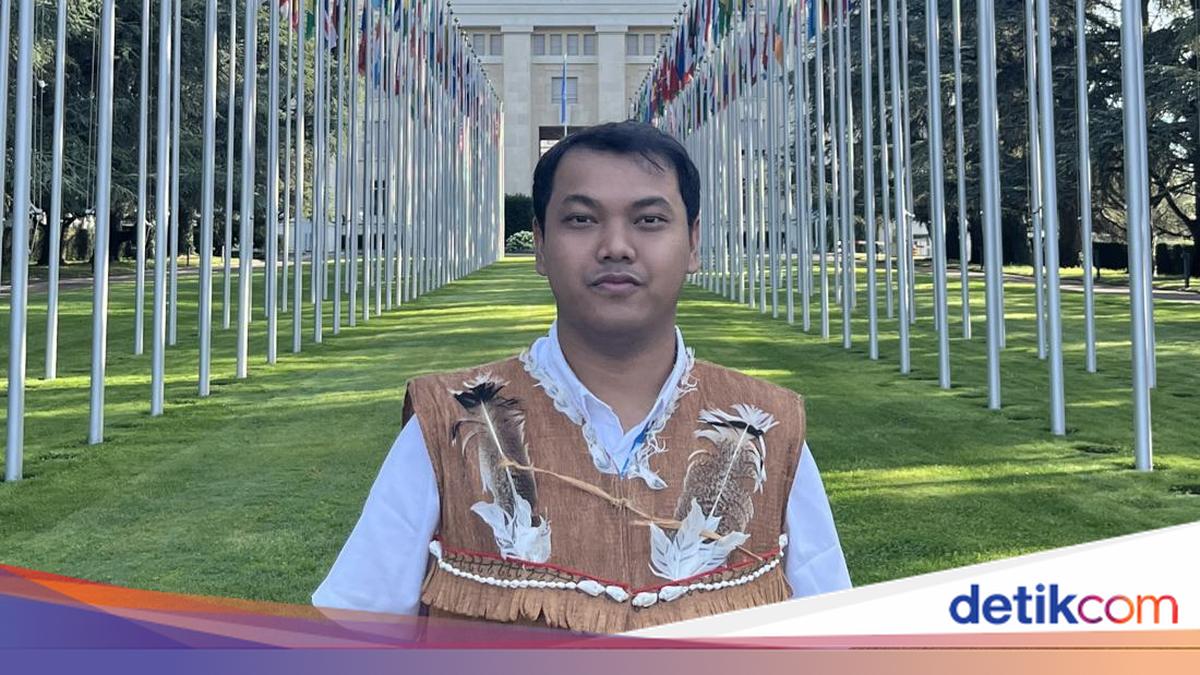
Alvian Wardhana has been named one of the top three finalists in the non-formal education category of the 2026 DPD RI Awards. He founded Literasi Anak Banua, an education programme for Indigenous children and young people in South Kalimantan.
The top three finalists for the 2026 DPD RI Awards were selected at the first meeting of the expert panel at Menara Bank Mega in South Jakarta on Monday (5 October 2026). Several panel members attended in person, while those unable to attend still submitted their views and contributed to the discussion.
The 2026 DPD Awards expert panel comprises Culture Minister Fadli Zon; National Research and Innovation Agency (BRIN) head Arif Satria; Deputy Chair of the House of Representatives Commission II Dede Yusuf Macan Effendi; DPD RI member Agustin Teras Narang; and University of Indonesia Faculty of Mathematics and Natural Sciences professor Agustino Zulys.
The 2026 DPD RI Awards have four categories: non-formal education innovators, health technology innovators, advocates for food self-sufficient villages, and regional cultural preservationists.
Alvian Wardhana’s profile
Alvian founded Literasi Anak Banua in 2018, initially under the name Rumah Baca Kami. He launched the initiative out of concern about high illiteracy rates among primary school pupils in disadvantaged, frontier and outermost (3T) areas of South Kalimantan, particularly among Indigenous children.
The young man from Tanah Laut Regency identified several causes of illiteracy among Indigenous children in South Kalimantan. These include curricula that do not reflect Indigenous communities’ circumstances, inadequate human resources and limited access to educational facilities.
The situation has also worsened vulnerabilities in rural areas. Some elderly residents have reportedly been deceived into signing away ancestral land to private companies because they could not read.
In response, Alvian established Literasi Anak Banua, which now reaches 40 remote villages across five regencies in South Kalimantan. The initiative is currently run by 72 volunteers, 24 permanent members and 18 digital team members.
Its programmes include free tutoring based on literacy and numeracy curricula, climate education and the construction of small libraries. Alongside its work with children, Literasi Anak Banua empowers Indigenous youth to become agents of change through projects spanning the value chain.
The initiative’s vision is to empower Indigenous children and young people through education. Its mission is to widen access to education, develop Indigenous youths’ skills and create opportunities for young Indonesians to collaborate and contribute.
Programmes led by Alvian and his colleagues have had a tangible impact on more than 1,000 Indigenous children in South Kalimantan. Of these, 2,000 children have received in-person free tutoring.
Through Literasi Anak Banua, illiteracy among Indigenous children in South Kalimantan has reportedly fallen by 30–40%, numeracy skills have improved by up to 52%, and the school dropout rate has declined by up to 60%. Between 10% and 15% of students have also won national competitions in sport and culture.
Education programmes covering gender, climate, customary law, tolerance and anti-bullying have been implemented in 17 schools and reached more than 2,000 children. Meanwhile, the Pembaharu Muda Adat programme has empowered 900 Indigenous young people to become agents of change, and the organisation runs a youth advocacy programme with UNICEF.
Through various ‘One Way’ projects, including free mask distribution, recycled books and storytelling for trauma healing, Literasi Anak Banua has reached more than 10,000 Indigenous children in five regencies in South Kalimantan.
Source: jawawa.id (https://jawawa.id/newsitem/alvian-wardhanas-mission-to-end-illiteracy-among-indigenous-children-in-south-kalimantan-1792749301)
Originally published by detikcom (https://news.detik.com/berita/d-8720926/dedikasi-alvian-wardhana-agar-anak-adat-di-kalsel-tak-lagi-buta-huruf), translated from Indonesian