
ALVA CEO Speaks Out on National Electric Motorcycle Project
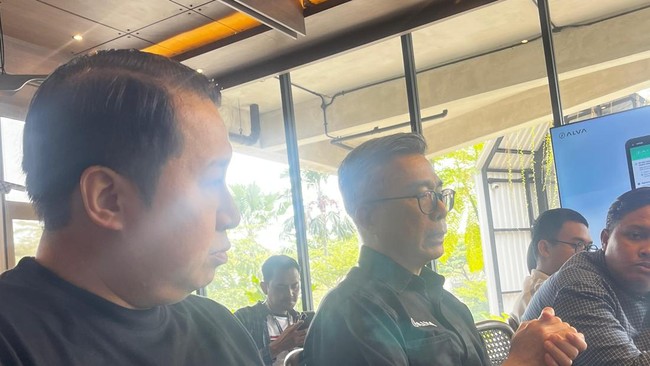
Jakarta, CNBC Indonesia – The idea of developing a national electric motorcycle continues to surface as the government pushes to strengthen the domestic electric vehicle industry. However, behind this significant potential, industry players still face major challenges, particularly in the supply chain for strategic components such as batteries.
ALVA CEO Purbaja Pantja said the company has so far complied with the Domestic Component Level (TKDN) requirements. Even so, he believes the definition of a national motorcycle still lacks clear boundaries, and the industry has yet to receive clear communication on the matter.
“When it comes to TKDN, it’s clear – all of our motorcycles are already above 40 per cent, in line with the existing regulations,” Purbaja said during a media discussion on Monday (3/8/2026).
The biggest challenge now is not merely increasing local content, but building a component industry genuinely capable of supplying the needs of electric vehicles in Indonesia. This takes time because the industrial ecosystem is still in its developmental stage.
He cited the battery industry, which has begun to emerge in Indonesia. However, not all producers have specifications suitable for electric motorcycles, so manufacturers must still select suppliers based on quality, production capacity and product requirements.
“The challenge lies in the availability of the products themselves. There are now more and more battery companies in Indonesia, but we have yet to dissect whether they are for motorcycles or cars. Some can make batteries for cars but not necessarily for motorcycles, and vice versa,” he said.
ALVA also sees localisation as depending not only on the readiness of the component industry, but also on the scale of market demand. The higher the sales of electric motorcycles, the greater the incentive for component manufacturers to build production facilities in the country.
“This is a cycle. The more electric motorcycles on the road and the greater the sales, the more attractive it should be for the component industry to build factories in Indonesia. In my view, progress has been positive and we hope this will continue so that the electric motorcycle manufacturing ecosystem becomes increasingly complete,” said Purbaja.