
ALS Bus Accident vs Tanker Truck Highlights Flaws in Transportation Safety System
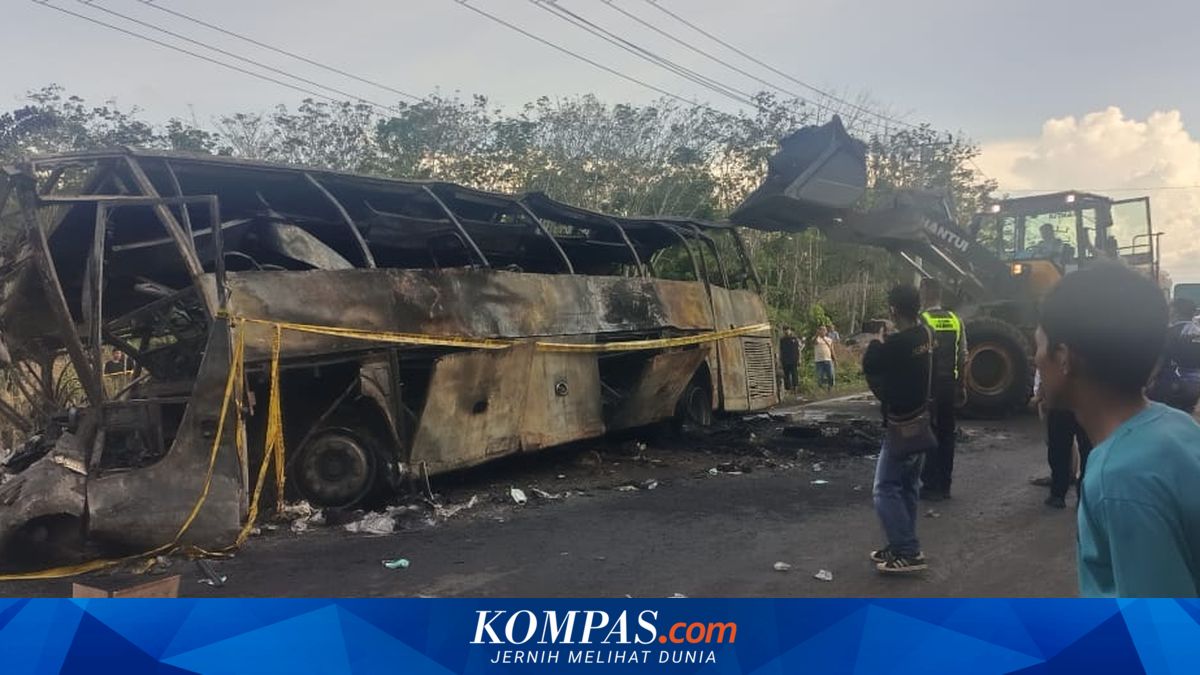
JAKARTA - A deadly accident involving an Antar Lintas Sumatera (ALS) bus in Padang Panjang, West Sumatra, on Wednesday (6/5/2025) has captured public attention. The Medan-Bekasi route bus is suspected to have suffered brake failure while descending the Bukit Surungan area before rolling over and killing more than a dozen passengers. The tragedy has sparked questions about the supervision of public transport safety in Indonesia. Transportation expert Djoko Setijowarno stated that road transport accidents often receive less attention than those involving other modes, despite similar numbers of fatalities. “With 16 deaths in both cases, railway accidents generate more uproar than those on the roads,” Djoko told Kompas.com on Thursday (7/5/2026). He assessed that this situation indicates road accidents are increasingly viewed as commonplace. Data from the Ministry of Transportation shows an average of about three people dying every hour due to traffic accidents in Indonesia. This statement emerged following the fatal ALS bus accident involving a tanker truck in North Musi Rawas, South Sumatra, on Tuesday (6/5/2026), in which 16 people died. The accident drew attention due to the high number of casualties. However, Djoko assessed that patterns of fatal road transport accidents continue to repeat without significant improvements to the safety system. “The government is still negligent towards road transportation safety,” he said. Scrutiny of PO ALS also arose after the Ministry of Transportation revealed that the bus involved in the accident lacked an operating permit based on checks via the Mitra Darat application. This finding raises questions about the effectiveness of public transport fleet supervision, particularly for intercity interprovincial (AKAP) buses. In addition to administrative issues, major bus accidents in Indonesia are often seen to follow similar patterns, from suspected brake failures and downhill road conditions to weak technical vehicle oversight. Djoko assessed that the government should not only focus on post-accident handling but also strengthen the overall road transportation safety system. He even advocated for the establishment of a Road Safety Directorate within the Directorate General of Land Transportation and requested that transportation safety budgets not be cut. “Road transportation safety emergency,” Djoko stated. According to him, human resource development will not be optimal if the state cannot yet guarantee public safety while mobilising on the roads. “It will be futile for the government to create superior humans through education programmes if it does not ensure its citizens’ safety in road mobility,” Djoko said.