
Allocation of Subsidised Housing Specifically for MBG Kitchen Staff Deemed Sporadic
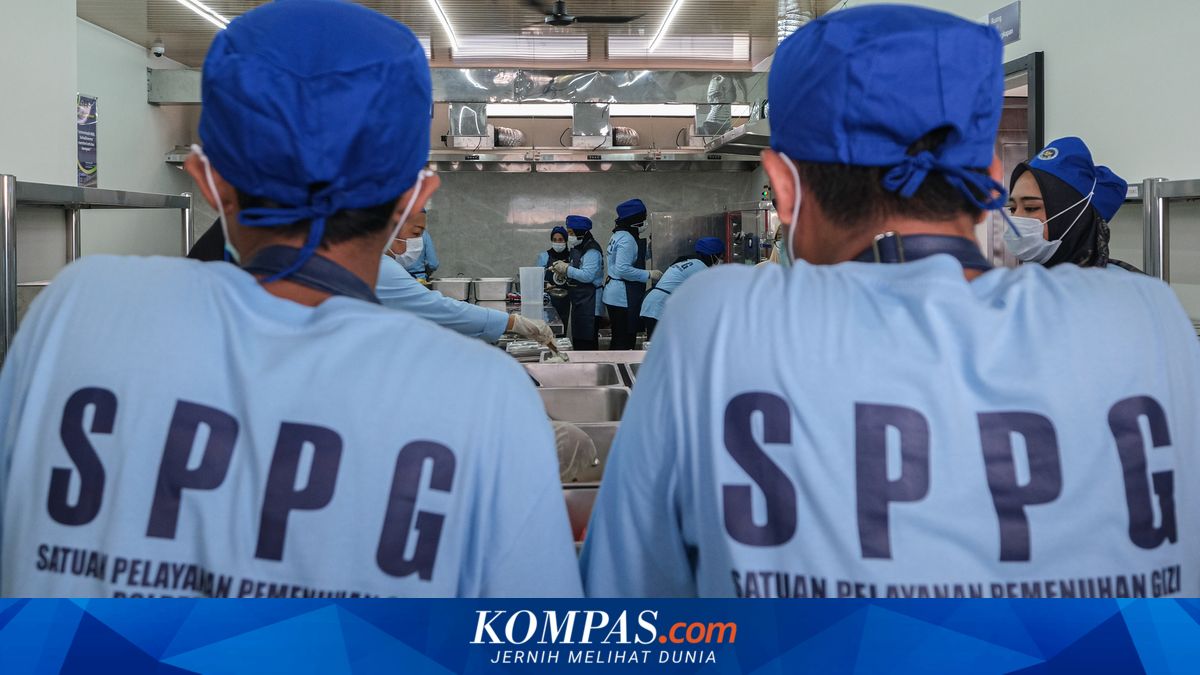
JAKARTA, KOMPAS.com - The stock of subsidised housing through the Housing Finance Liquidity Facility (FLPP) programme specifically for employees of the Free Nutritious Meals Kitchen (MBG) or Nutrition Fulfilment Service Units (SPPG) has been widely discussed on social media. Through a circulating video, it is known that SPPG employees are receiving an allocation of 1,000 subsidised housing units. However, these houses are not free but must still be repaid through the Home Ownership Credit (KPR) scheme. “We also received an allocation for the Indonesian Development Driver Graduates (SPPI) of 1,000 housing units, specifically for SPPI who will lead SPPG across Indonesia. The locations will later be divided into four zones as regulated by the State Housing Savings Management Agency (BP Tapera),” stated Jonni. The news immediately drew pros and cons from netizens. Even experts assess that the policy is merely sporadic. Housing expert and member of the Housing and Settlement Expertise Group from the Bandung Institute of Technology (ITB), Mohammad Jehansyah Siregar, said the government often gets trapped in home ownership schemes without thorough area planning. He gave an example of a similar policy previously implemented, such as providing subsidised KPR to barbers after a visit by the 7th President of Indonesia, Joko Widodo (Jokowi), to the area. “The government always gets trapped in home or property ownership schemes,” said Jehansyah to Kompas.com on Tuesday (21/4/2026). He added that without systematic planning for residential area development, the programme’s achievements become limited and far from the national target. “As a result, the numbers are only a few hundred or thousand, whereas the President’s target (Prabowo Subianto) is 3 million houses per year,” he said. Jehansyah also assessed that the KPR scheme is not always relevant to meet the housing needs of SPPG employees. He highlighted the nature of the job which is not permanent and the possibility of employees moving work locations. According to him, the home ownership approach could potentially be ineffective if not adjusted to the workers’ work patterns and mobility.