
AllianzGI Optimistic About Indonesia’s Long-Term Economic Outlook
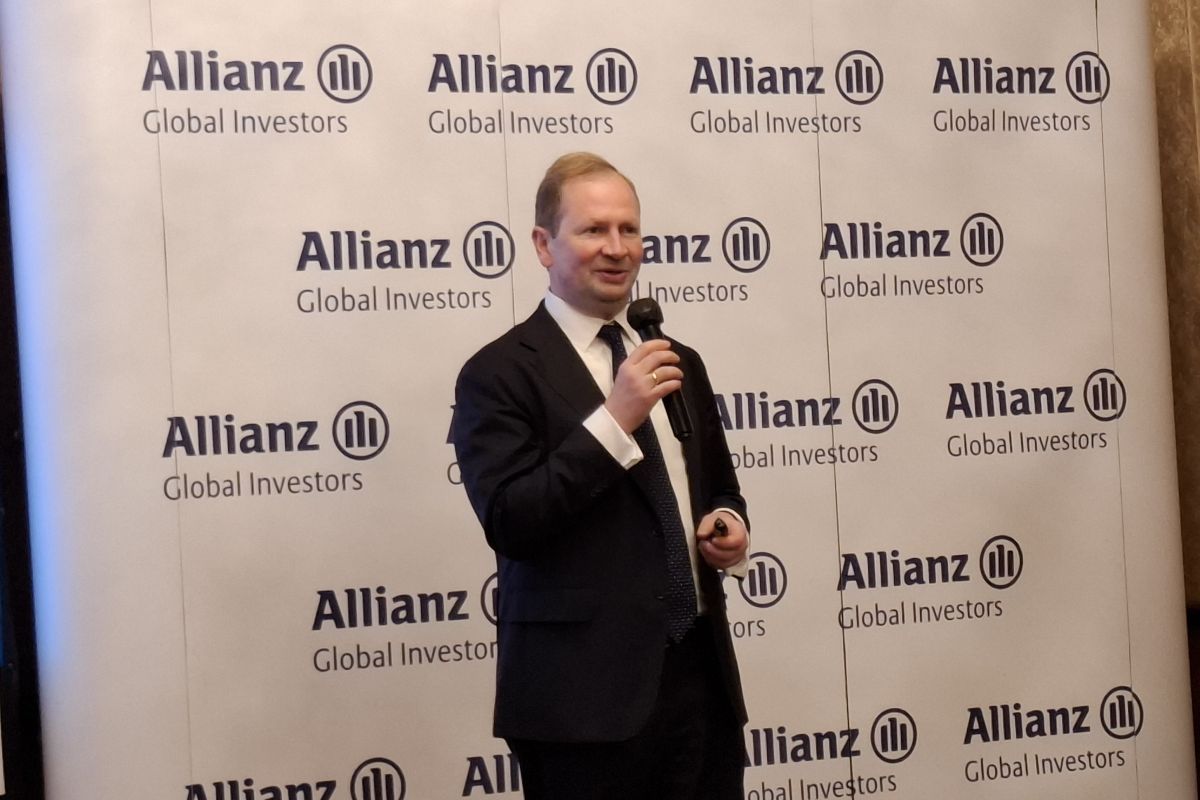
Jakarta (ANTARA) – Allianz Global Investors (AllianzGI) Chief Economist Christian Schulz is optimistic that Indonesia’s long-term economic outlook will remain positive, even though pressure from energy prices and global interest rates is expected to continue until 2027.
Schulz said international economic volatility poses challenges for emerging economies, including Indonesia, but has not changed his view of the country’s long-term growth potential.
“However, this does not change our positive long-term view of emerging markets, including Indonesia,” he said at a media roundtable entitled “Looking Ahead 2027: Global Trends, Indonesia Opportunities” in Jakarta on Monday.
He identified rising energy prices and global interest rates as the two main challenges.
For Indonesia, these pressures could increase energy import costs, affect the rupiah exchange rate and add to financing burdens.
However, he said, these challenges could provide an opportunity for policy adjustments that strengthen Indonesia’s economic resilience over the long term.
“These issues can be addressed. In fact, they are an opportunity to make changes that will bring long-term benefits,” he said.
Schulz said Indonesia’s outlook was also supported by economic growth that is relatively high compared with that of developed countries.
He noted that growth above 5 per cent was a level not seen in Europe for a long time.
Globally, AllianzGI expects economic growth to remain strong in 2027, supported by investment in artificial intelligence (AI), government spending in several countries and adjustments to the structure of world trade.
“We expect growth to remain solid and strong in 2027,” he said.
Nevertheless, Schulz expects global inflationary pressure to ease only modestly, leaving some central banks potentially likely to raise interest rates and keep them higher for longer.
He described the world economy as still in a growth phase but approaching a more mature stage of the cycle, meaning the risks of a slowdown and market volatility need to be anticipated.
“We do not expect growth to fall significantly. Nor do we expect global inflation to decline very much,” he said.
In its presentation, AllianzGI forecast global economic growth of 3.1 per cent in 2027, with the United States at 2.2 per cent, the eurozone at 1.3 per cent and China at 4.4 per cent.
Schulz said AllianzGI’s overall view of global growth was broadly in line with those consensus forecasts.
However, the company expects inflation to be higher than consensus and is more optimistic about growth in Germany.
He said emerging economies continued to have greater structural growth opportunities as they catch up with developed countries.
Conditions nevertheless vary from country to country, particularly in how they are affected by rising energy costs.
Schulz acknowledged that emerging economies dependent on energy imports, including Indonesia, face short-term challenges.
This also affects the relative appeal of each country’s equity market to global investors.
Statistics Indonesia (BPS) recorded year-on-year economic growth of 5.29 per cent in the second quarter of 2026, while cumulative growth in the first half of 2026 reached 5.45 per cent compared with the same period a year earlier.
The government has set an economic growth target of 6.0 per cent in the 2027 state budget. Meanwhile, the World Bank’s October 2026 forecast puts Indonesia’s growth at 5.2 per cent in 2027.
On global financial markets, Schulz said economic growth in 2027 could continue to support equity performance.
Bonds, meanwhile, could become more attractive if growth and inflation begin to slow and interest rates reach an adequate level.
However, he warned that geopolitical developments, inflation and monetary policy could change the direction of markets. Monitoring macroeconomic conditions is therefore important in assessing investment opportunities and risks.
Schulz stressed the importance of Indonesia maintaining its growth momentum amid these global challenges.
He said appropriate policy adjustments could strengthen the country’s economic outlook and international market confidence over the long term.
“This requires policy continuity and confidence from international markets,” he said.
Source: jawawa.id (https://jawawa.id/newsitem/allianzgi-optimistic-about-indonesias-long-term-economic-outlook-1793627587)
Originally published by Antara (Indonesian) (https://www.antaranews.com/berita/5827295/allianzgi-optimistis-prospek-jangka-panjang-ekonomi-ri), translated from Indonesian