
All Sub-districts in West Jakarta Targeted to End Open Defecation by June 2026
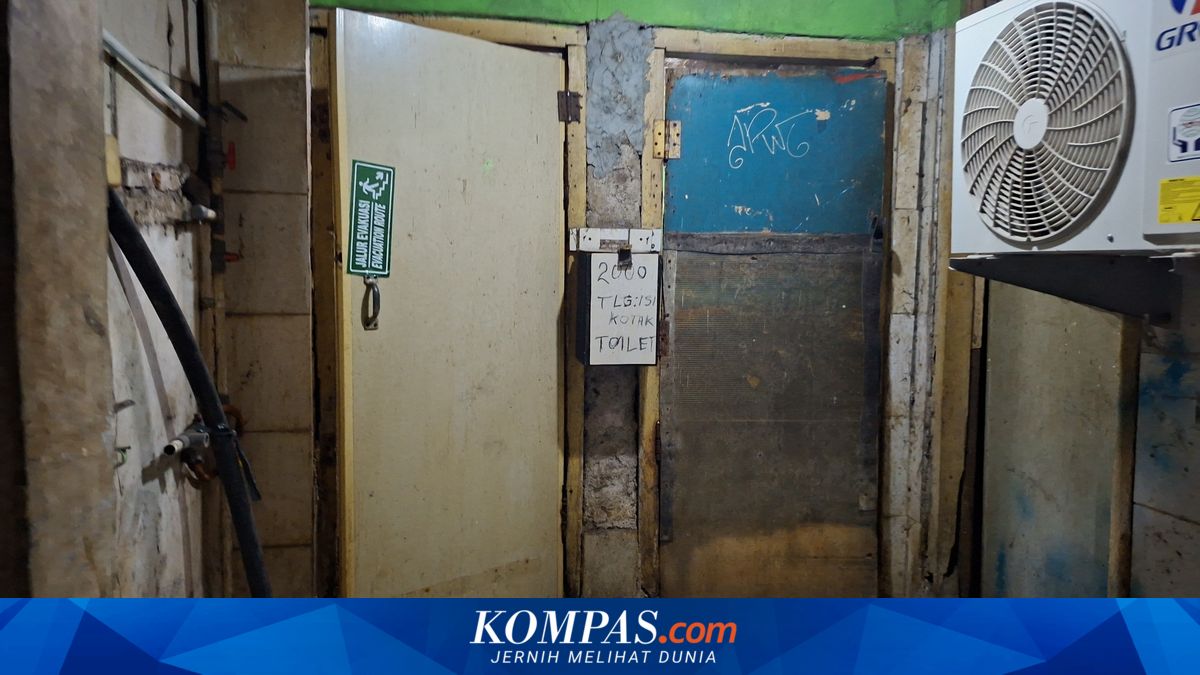
The West Jakarta city government is targeting all 56 sub-districts in its area to stop open defecation (BABS) by June 2026. “In June, we will declare ODF (Open Defecation Free) in Tomang Sub-district to complete the 56 sub-districts in West Jakarta so that all of them have ODF status and are ready to become a Healthy City,” said West Jakarta Mayor Iin Mutmainnah during an inspection of the construction of communal bathing, washing, and toilet (MCK) facilities in Tomang on Friday, as reported by Antara. According to Iin, the construction of these sanitation facilities can change community behaviour to be cleaner and healthier, especially in stopping BABS practices. “The MCK being built here already meets health standards, clean water is available from PAM Jaya, and the sanitation system is also handled technically by the relevant agencies,” she explained. She detailed that there are three construction points for communal MCK in the Tomang area as the main focus. These three points are around Rawa Kepa Reservoir in RW 012 with plans for six MCK cubicles, renovation of MCK in RT 007 RW 012 with three cubicles, and the construction of a communal septic tank targeted to replace eight open toilets in the area. The construction of this communal MCK is part of efforts to realise a healthy environment while supporting the ODF declaration in Tomang Sub-district. Meanwhile, Tomang Sub-district Head Mansur revealed that the Tomang Sub-district area has 16 RW and 173 RT, with five RW still recorded as having BABS practices, namely RW 011, 012, 013, 014, and 015. The main challenges faced include limited land, public space, and budget. “Efforts that have been made include building communal MCK in RT 007 RW 012, revitalising existing MCK, and non-physical approaches such as socialisation to residents and cooperation with various parties, including academics and CSR,” he said.