
All About World Day to Combat Desertification and Drought 2026
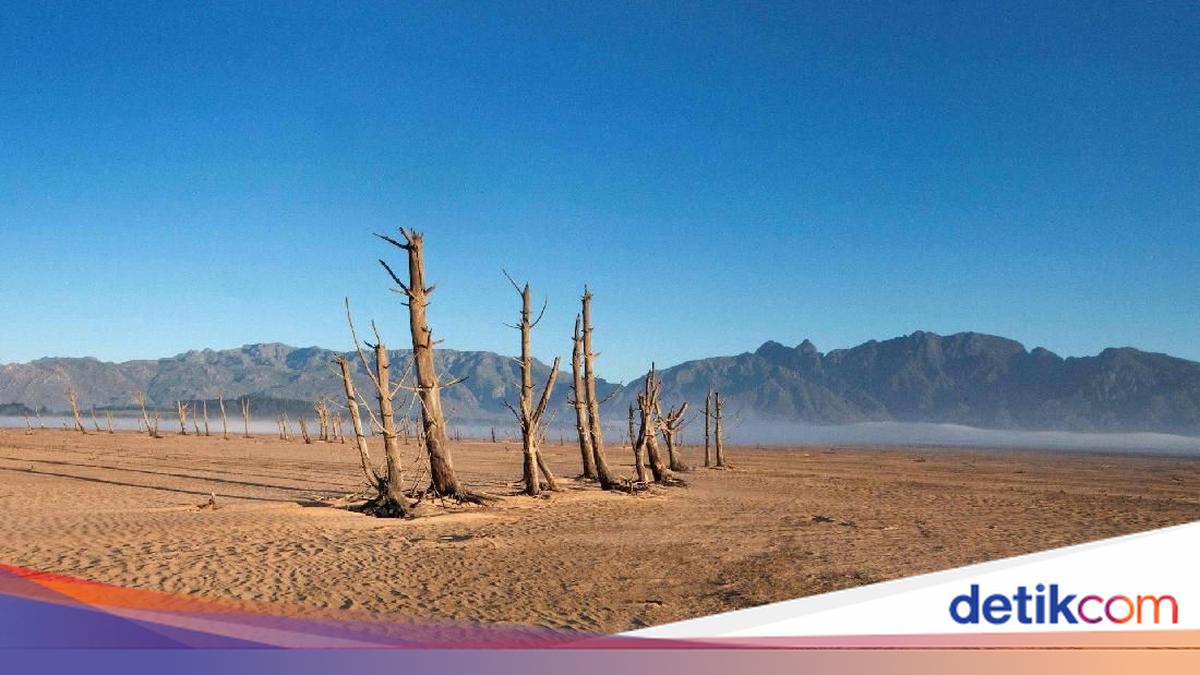
World Day to Combat Desertification and Drought is observed on 17 June each year. Land desertification is a global issue with serious implications worldwide for biodiversity, ecological security, poverty eradication, socio-economic stability and sustainable development.
Desertification is the persistent degradation of dryland ecosystems due to climate change and, primarily, human activities: unsustainable farming that depletes soil nutrients, mining, overgrazing (animals consuming grasses and eroding topsoil with their hooves) and large-scale deforestation, when trees and plants that bind the soil are removed. This occurs when trees and shrubs are cut down for fuelwood and timber, or to clear land for cultivation.
Land desertification, alongside climate change and biodiversity loss, was identified as one of the greatest challenges to sustainable development during the 1992 Rio Earth Summit. Subsequently, in 1994, the General Assembly established the United Nations Convention to Combat Desertification (UNCCD), the sole legally binding international agreement linking environment and development with sustainable land management, and declared 17 June as ‘World Day to Combat Desertification and Drought’ through resolution A/RES/49/115.
Later, in 2007, the UN General Assembly declared 2010-2020 as the United Nations Decade for Deserts and the Fight Against Desertification to mobilise global action in combating land degradation, again led by the UNCCD Secretariat. A total of 197 UNCCD member countries (169 of which are affected by desertification) work together to maintain and restore land and soil productivity, and to mitigate the impacts of drought in drylands — arid, semi-arid and dry sub-humid areas, where some of the most vulnerable ecosystems and communities exist.
Rangelands are among the world’s largest ecosystems, yet they are most frequently overlooked. Covering more than half of the Earth’s land surface, rangelands play a vital role in food security, water cycles, biodiversity conservation and climate resilience. Rangelands sustain the livelihoods of around two billion people worldwide, including many pastoralists and indigenous communities whose knowledge and stewardship have preserved these landscapes for generations. In 2026, World Day to Combat Desertification and Drought places grazing lands at the centre of global attention.
Held under the theme ‘Rangelands: Recognize. Respect. Restore.’, this year’s observance calls for greater recognition of the economic, ecological and cultural value of grazing lands, respect for their traditional custodians, and stronger investment in restoring degraded rangelands. Up to half of the world’s rangelands are degraded or at risk of degradation, with serious consequences for food and water security, biodiversity, climate resilience and rural livelihoods. Investing in sustainable land and water management, improved drought preparedness and community-led restoration can help secure these landscapes and the people who depend on them. Now is the time to recognise the value of rangelands, honour their traditional custodians, and restore these landscapes for future generations.