
Alert! Malaria Cases in Indonesia Soar to 706,000, Elimination Focus Tightened
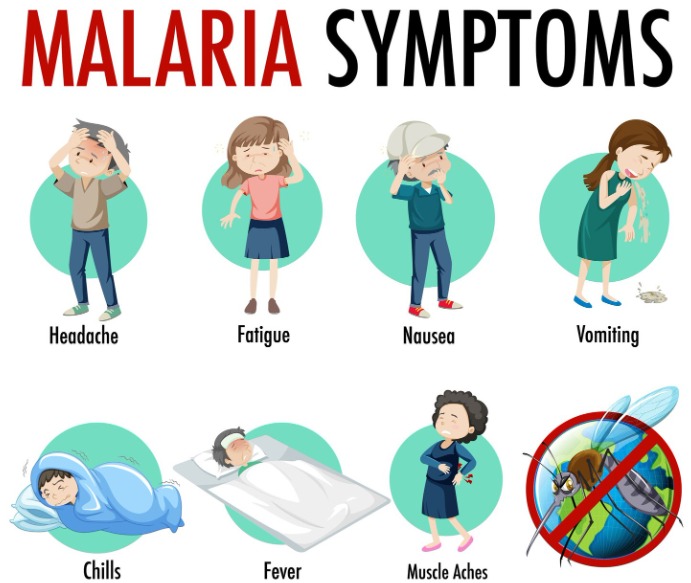
The Ministry of Health (Kemenkes) has reported a significant surge in malaria cases in Indonesia, which has now reached 706,000 cases. This finding serves as a major alarm for health authorities, given that the national target to achieve phased malaria elimination by 2030 is being pursued aggressively. The increase in cases indicates that the challenge of controlling this disease, transmitted through the bite of the Anopheles mosquito, remains immense, especially in high-endemic areas. The government is currently conducting further data validation to map the latest distribution clusters in order to implement more targeted interventions. Based on compiled data, Eastern Indonesia, particularly Papua, West Papua, East Nusa Tenggara (NTT), and Maluku, remains the largest contributor of cases. Geographical factors, population mobility, and climate change are suspected to be the main triggers for the difficulty in breaking the chain of transmission in these regions. In addition to endemic areas, the emergence of imported cases in regions previously declared malaria-free is also a serious concern. This demands strengthened surveillance at entry points and increased capacity of medical personnel to conduct early detection. In response to the figure surpassing 706,000 cases, the government, through the Health Ministry, is reinforcing several key strategic pillars. The public is urged to remain vigilant by maintaining environmental cleanliness, using mosquito repellent or bed nets while sleeping, and immediately seeking medical attention if experiencing periodic fever, chills, and headaches, especially for those with a travel history from endemic areas. Efforts to reduce the 706,000 cases require cross-sectoral collaboration, not only from a medical perspective but also through the development of healthy environmental infrastructure to minimise mosquito breeding sites. Malaria is a climate-sensitive disease, so rising temperatures accelerate the life cycle of the Anopheles mosquito, and extreme rainfall increases mosquito breeding grounds. It is understood that malaria elimination will not yield instant results; it requires the support of all parties and consistency over many years. A total of 412 regencies and cities in Indonesia have been officially declared malaria-free. The Health Ministry is focusing on elimination in the Papua region through the TOKEN strategy to meet the 2030 target.