
Alert for 'Godzilla' El Niño: Health Ministry Intensifies Protocol Education
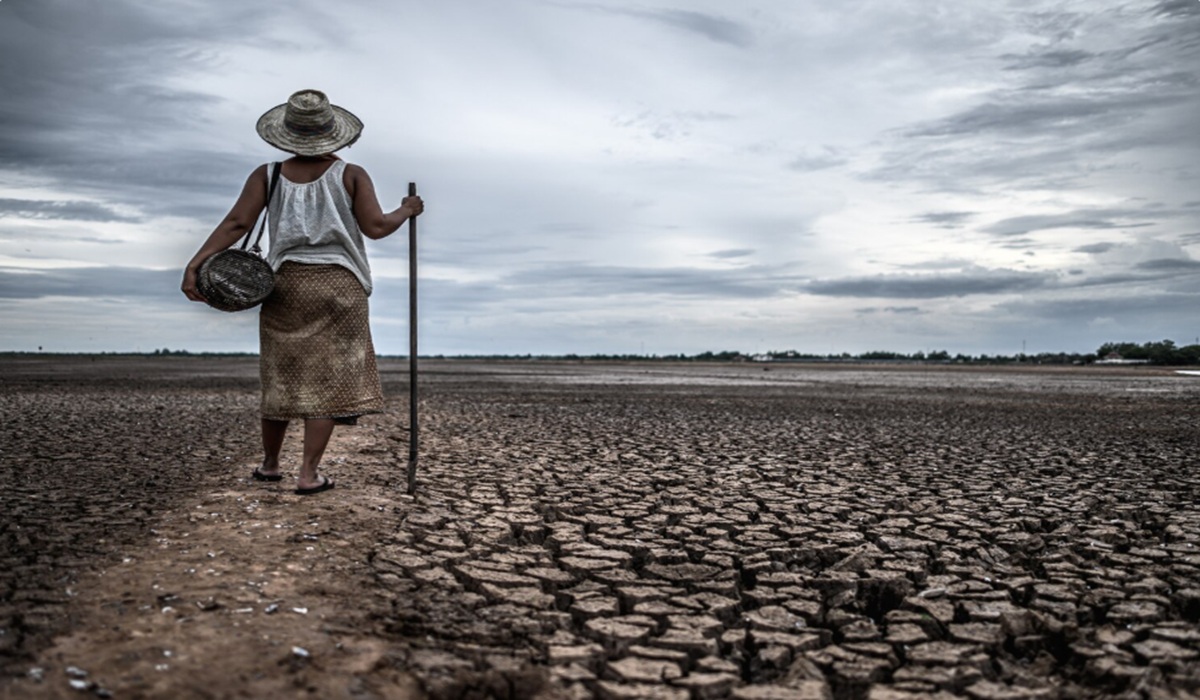
The Indonesian Ministry of Health (Kemenkes) is now intensifying education on health protocols to face the threat of the extreme El Niño phenomenon dubbed ‘Godzilla’. This climate phenomenon is predicted not only to bring prolonged drought but also to trigger a spike in various serious health problems across Indonesia.
Head of the Ministry’s Bureau of Communication and Public Information, Aji Muhawarman, revealed that El Niño causes a reduction in rainfall intensity, which normally acts as a natural atmospheric cleanser. As a result, air pollution accumulates more densely, exacerbated by temperature inversion phenomena and the increased risk of forest and land fires (karhutla).
Significantly deteriorating air quality poses a real threat, especially for regions prone to forest and land fires. Long-term exposure to pollution carries a high risk of triggering acute to chronic respiratory disorders. However, the threat does not stop at air pollution alone. Environmental changes due to hot temperatures also trigger the proliferation of disease vectors and a decline in sanitation quality.
The term ‘Godzilla’ was first popularised to describe the very strong intensity of El Niño. Based on an explanation from the National Research and Innovation Agency (BRIN), this phenomenon refers to extreme conditions where the dry season lasts much longer with air temperatures far hotter than the normal average.
BRIN predicts Indonesia will experience a long period without clouds and rain in several locations. The southern region of Indonesia is estimated to be the area with the highest drought risk, while other regions must remain alert to the potential for erratic extreme weather.
The Ministry of Health and BRIN continue to urge all stakeholders to strengthen mitigation measures. Public awareness in maintaining immune systems and complying with health protocols is the main key to facing the social and health impacts of the Godzilla El Niño phenomenon.