
Alarming: Japanese Government Bond Yields Hit 30-Year High
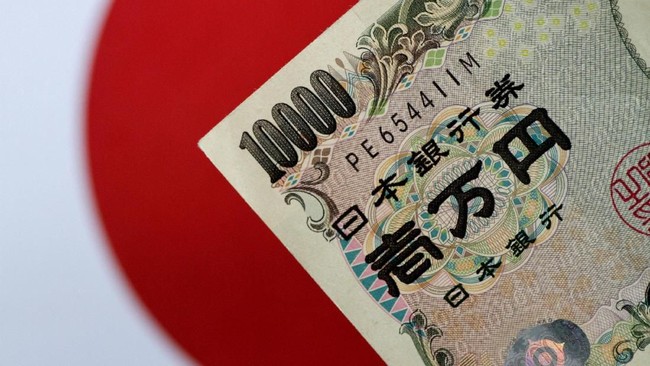
The yield on 10-year Japanese government bonds has risen to touch its highest level since September 1996.
According to Refinitiv data, on Tuesday (1/9/2026) at 10:35 WIB, the bond yield breached the 3.001% level. This position marks the highest point in the last 30 years.
Over the past two years, the yield on 10-year Japanese government bonds has increased more than threefold.
An increase in yield indicates that bond prices are currently declining. Bond prices and yields move in opposite directions; when bond prices fall due to selling pressure, yields increase.
Inflation, Interest Rate Expectations, and Government Debt Concerns
Pressure in the Japanese bond market is primarily triggered by rising concerns regarding inflation. Conflicts in the Middle East have pushed global oil prices higher, increasing the risk of rising energy costs.
This condition is particularly risky for Japan, as the nation is heavily dependent on energy imports. The weakening of the yen, which is hovering near its lowest level in almost four decades, also makes import costs increasingly expensive.
Rising energy prices and the depreciation of the yen are increasing pressure on the Bank of Japan (BOJ) to accelerate interest rate hikes.
The market has already priced in a very high probability that the BOJ will raise interest rates again during this month’s meeting. The BOJ is expected to raise interest rates to 1.25% in September 2026.
The BOJ is also gradually reducing its bond purchases. For years, large-scale purchases of Japanese Government Bonds (JGB) by the central bank kept yields low. The reduction in these purchases means the market must absorb more bonds without the significant support previously provided by the BOJ.
This rise in yields warrants close monitoring because Japan itself possesses massive government debt, with its value exceeding 200% of its Gross Domestic Product (GDP).
If yields continue to rise, the government will have to offer higher interest rates when issuing new bonds or refinancing maturing debt. Consequently, the interest payment burden could swell, leaving the government with increasingly limited fiscal space to fund other programmes.
These concerns have intensified after Japanese Prime Minister Sanae Takaichi pushed for massive investment in several strategic industries. This spending plan, combined with tax cuts, is deemed risky as it could add further pressure to the state’s finances.
Investors have also begun to approach Japanese bonds with caution. This was evident in the 10-year government bond auction in August 2026, which recorded the weakest demand seen in a year.