
Aismoli: Electric Motorcycle Infrastructure Must Align with Mobility Patterns
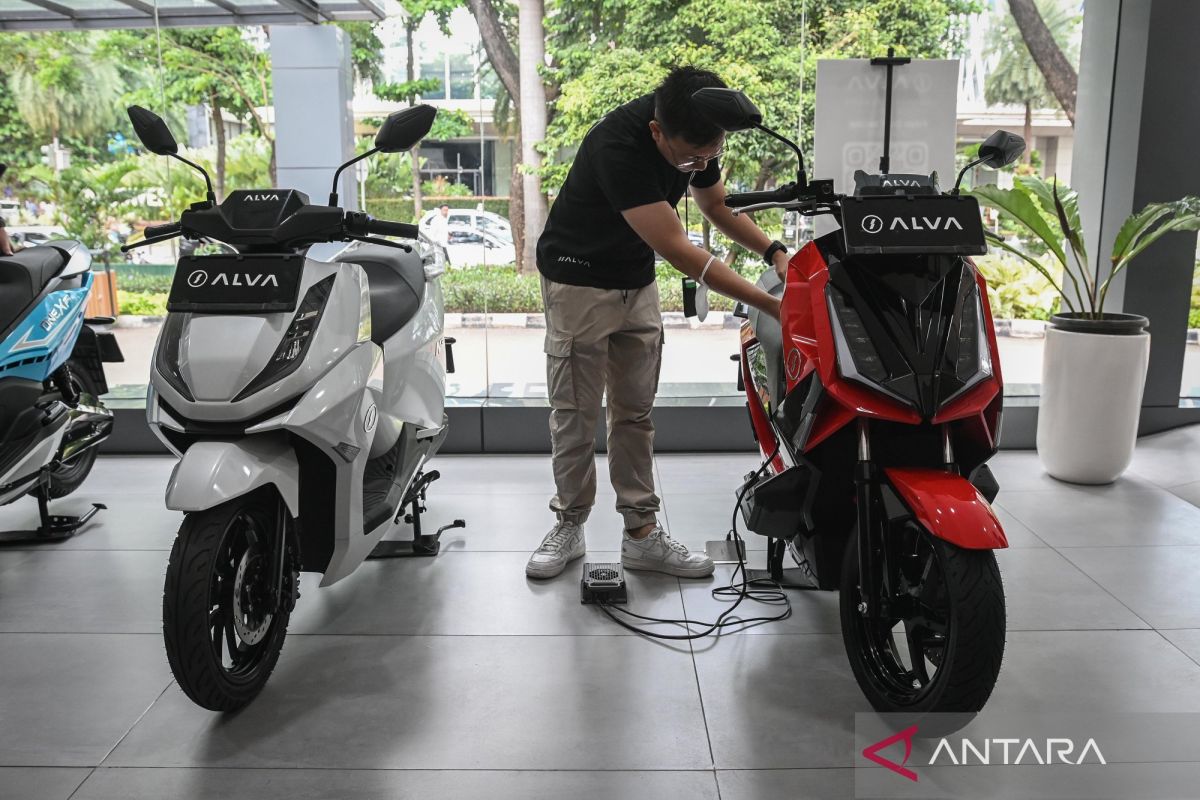
The Indonesian Electric Motorcycle Industry Association (Aismoli) believes that the development of supporting infrastructure for electric motorcycles should not merely focus on increasing the number of Public Electric Vehicle Battery Swapping Stations (SPBKLU), but must be adjusted to the needs and mobility patterns of users.
Aismoli PR & Event Executive, Riniwaty Sinaga, stated that the infrastructure requirements for each user may differ depending on the type of vehicle, travel patterns, location, and the level of infrastructure utilisation.
“Adequacy cannot be measured solely by comparing the number of motorcycles to the number of SPBKLU. The needs of online motorcycle taxi drivers, office workers, and the tourism sector will differ in terms of location and the type of infrastructure required,” Riniwaty said when contacted from Jakarta on Tuesday.
For brands utilising battery swapping systems, each has its own strategy regarding the quantity and placement of battery swapping cabinets. Meanwhile, for motorcycles with integrated batteries, several brands provide charging facilities through their corporate groups or by collaborating with infrastructure providers.
“Therefore, the indicators are not just the number of SPBKLU, but also the location, user profile, vehicle technology, and utilisation rates,” she added.
According to her, communal charging hubs—shared charging points accessible to multiple electric vehicle users—will become increasingly relevant, particularly for users with limited electrical capacity at their residences or those requiring emergency charging while travelling.
Consequently, the development of electric motorcycle infrastructure to drive vehicle adoption needs to combine home or office charging, shared and public charging facilities, and battery swapping systems, tailored to user needs and regional characteristics.
Meanwhile, Public Electric Vehicle Battery Swapping Stations (SPBKLU) continue to expand to support the national electric motorcycle ecosystem. As of March, 1,907 SPBKLU units have been distributed across Indonesia, including 1,480 units in Java, 238 in Sumatra, 120 in Bali, 48 in Sulawesi, 20 in Kalimantan, and 1 in Nusa Tenggara.
Source: jawawa.id (https://jawawa.id/newsitem/aismoli-electric-motorcycle-infrastructure-must-align-with-mobility-patterns-1788264436)
Originally published by Antara (Indonesian) (https://otomotif.antaranews.com/berita/5720841/aismoli-infrastruktur-motor-listrik-perlu-sesuaikan-pola-mobilitas), translated from Indonesian