
Airports Paralyzed by Drone Attacks, Suddenly a Rp 258 Trillion Opportunity Emerges
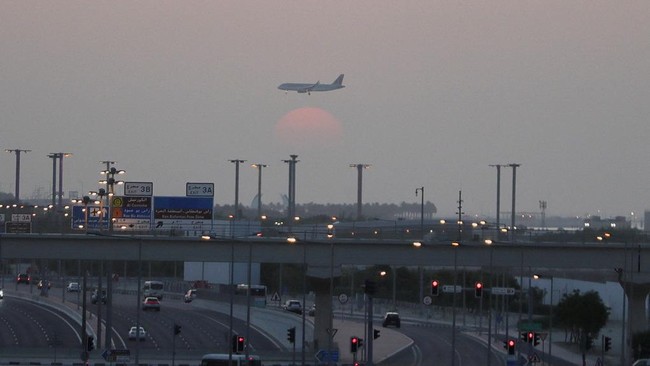
Drones have become one of the most popular weapons in modern military operations, playing a central role in reconnaissance and attacks on key assets in conflicts such as Ukraine-Russia, US-Israel versus Iran, and Israel-Hamas. Drone strikes have also frequently disrupted the operations of critical facilities like airports. Several airports were reportedly paralysed for hours in Eindhoven and Munich at the end of 2025 due to drone attacks. In the Middle East, drones have targeted massive oil fields and refineries. This has prompted countries worldwide to intensify efforts to strengthen their defence systems against drone incursions.
There is rapid growth in the market for radar, signal jammers, and defence aircraft to protect airports and infrastructure from aerial threats posed by drones. This field is attracting billions of dollars in investment, expanding far beyond military use into sectors including energy, shipping, data centres, hotels, and airports. Avinor, which owns and operates 43 airports across Norway, is one company that has installed drone detection systems in its operations to address ‘disruption and delays’ caused by civilian drone violations of air traffic.
Reuters spoke with dozens of executives at anti-drone companies who described a sharp increase in demand from governments, airports, and civil infrastructure operators. ‘There is a direct effect from the sheer number of people contacting us,’ said Siete Hamminga, CEO of RobinRadar, a Netherlands-based anti-drone company whose technology grew out of research into bird strikes affecting aircraft. Hybrid warfare tactics in Europe and the Middle East have highlighted the need to protect economic and civilian bases such as ports, oil fields, and airports. Drone attacks at Dubai airport, violations in the Baltic states, debris fires caused by drone interceptions in the Fujairah Oil Zone, and suspected drone warnings at airports in Munich and Copenhagen have all caused disruption in the past year. Several European airport authorities told Reuters they are working to enhance their use of anti-drone technology.
Ash-Alexander Cooper, an executive at Dedrone, said calls began pouring in immediately after the Iran war started in late February. Many countries requested solutions that could be installed ‘as quickly as possible’. ‘I imagine we are one of many companies that were asked, after many governments now realise how vulnerable they are, with the breadth and nature of the drone threat evolving in real time,’ he said. Analysts estimate the global anti-drone market is worth between US$3 billion and US$7 billion, growing about 20% annually. A report by MarketsandMarkets forecasts its value will reach US$14.5 billion by 2030 from US$4.5 billion currently. Eben Frankenberg, CEO of drone detection radar maker Echodyne, said investment in a new factory the company will open this year will double its annual capacity to more than 30,000 units. ‘In terms of demand for our radars, we saw growth of more than 100% last year, and it is not slowing down,’ he said.