
Airlangga Urges Industry to Collaborate with Universities for Semiconductor Research
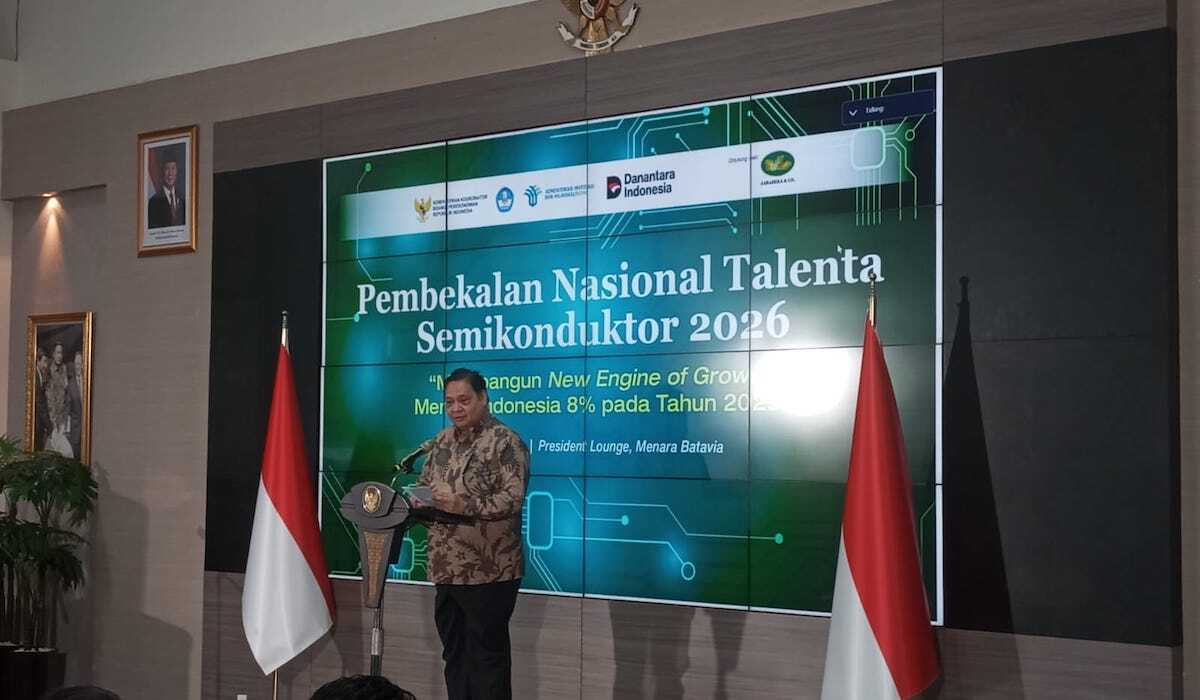
Airlangga Hartarto, the Coordinating Minister for Economic Affairs, said the government is pushing collaboration between industry and academia in the development of semiconductor technology. This collaboration is supported through various policies, including tax incentives for companies conducting research and development with universities. ‘Tax incentives already exist related to R&D and education, where the government can provide tax deductions to corporations working with higher education institutions, ranging from 200% to 300%,’ he said at the National Semiconductors Talent Preparation 2026 event in Jakarta on Thursday (5/3). He added that the role of universities and the government is crucial in bridging this collaboration. ‘This is from the Directorate General of Higher Education to bridge between industry and universities, and also bridge with the Ministry of Finance, because the tax deduction aspect involves a large role for the Ministry of Finance,’ he told the audience of Dikti officials. Airlangga explained that semiconductors are a key component in a wide range of modern technologies, from electronic devices to electric vehicles. ‘Semiconductors are the brains of modern technology, as they encompass sensors, controls, and more,’ he said. Global demand for chips is expected to rise sharply in the coming years. ‘It is projected that demand for chips will increase to around US$1 trillion by 2030,’ he said. The rise is driven by technologies such as data centres, artificial intelligence (AI), quantum computing, wireless communications, and automotive electronics. To capitalise on this opportunity, the government targets large-scale semiconductor talent development through collaboration with universities. ‘The development of semiconductor talent amounts to 15,000 engineers. The aim is for these engineers to master the ARM (Advanced RISC Machine) ecosystem,’ Airlangga said. Airlangga noted that Indonesia has great potential in developing the technology industry due to a large digital market. ‘In Indonesia, we have the most internet users in ASEAN, about 230 million. Mobile phone penetration is also high at 116%,’ he said. He added that Indonesia should not merely be a market for global digital industries. In a doorstop with reporters, Airlangga also stated that developing the semiconductor industry is part of the drive for 8% economic growth envisioned by President Prabowo. ‘We have a mandate from the President to pursue 8% growth in 2028–2029,’ he told reporters.