
Airlangga University's CESGS Secures PUI-PT 2025 Funding to Accelerate ESG in Indonesia
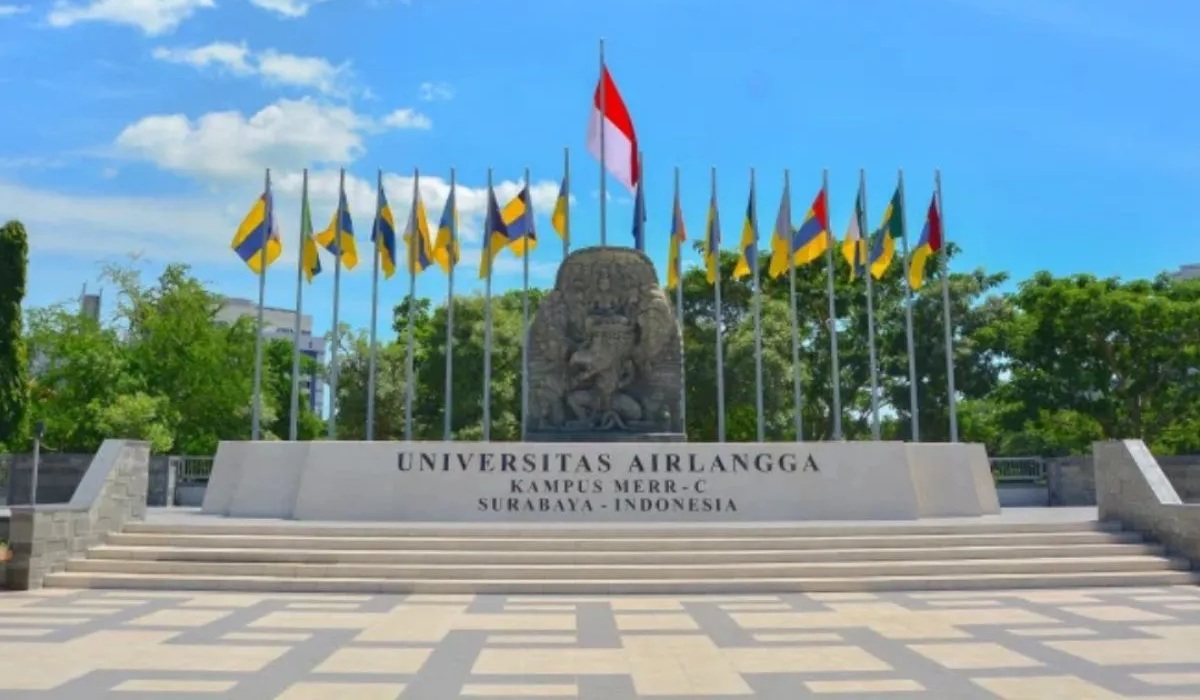
The Centre for Environmental, Social, and Governance Studies (CESGS) at Airlangga University has been officially selected as a recipient of the Research and Innovation Ecosystem Enhancement Programme funding for Centre of Excellence in Higher Education (PUI-PT) for the 2025 fiscal year.
The funding has been awarded by the Ministry of Education, Culture, Research, and Technology (Kemendikbudristek) to support CESGS’s role as a PUI-PT for Sustainable Business. This initiative strengthens CESGS’s vision of promoting sustainability in Indonesia’s business sector by 2030 and its ambition to become a regional top-of-mind ESG centre.
Prof. Iman Harymawan, the head of CESGS, emphasised that this award reinforces the institution’s position as a bridge between academic research and national business strategy. “This award strengthens CESGS’s position as a research centre that connects ESG practices with national business strategy. We hope our research will provide tangible impact for Indonesia’s economy and society,” Prof. Iman stated.
The establishment of CESGS is strategically significant given the substantial challenges surrounding sustainability adoption in Indonesia. Data from CESGS Intelligent showed that in 2023, only 2% of publicly listed companies in Indonesia had adopted the Task Force on Climate-related Financial Disclosures (TCFD) standard. Without adaptation to global sustainability trends, local companies risk falling behind in achieving sustainability targets.
Beyond low adoption rates of global standards, Indonesia also faces a shortage of research centres specifically focused on Environmental, Social, and Governance (ESG) issues. Of the 73 active PUI-PT centres in Indonesia, none previously specialised in this field—a contrast to Indonesia’s Asta Cita agenda, which targets strengthening green and blue economy initiatives.
Since its establishment in 2020, CESGS has demonstrated high productivity, publishing 398 Scopus-indexed articles. The institution has also served as an expert consultant for international organisations such as the Asian Development Bank and UNDP, as well as major corporations including Indosat, Astra International, and PLN.
Looking ahead, CESGS has prepared a systematic research roadmap through 2030. In the 2025–2026 phase, research will focus on the relationship between climate risk and corporate finance. Subsequently, the focus will shift to biodiversity issues in 2026–2027, and finally to measuring the impact of social inequality on financial performance during 2028–2030.
Through this funding support, CESGS is committed to strengthening the ESG research ecosystem so that businesses in Indonesia are better prepared to face complex global challenges.