
Airlangga Outlines Indonesia's Strategy to Strengthen Competitiveness and Economic Resilience
Rising global uncertainties, marked by geopolitical dynamics, disruptions to energy and food supply chains, and the acceleration of digital transformation, are pushing the world economy to face increasingly complex and unpredictable challenges. These conditions undoubtedly have a significant impact on global energy stability, fertiliser supply chains, and food availability, thus requiring adaptive and measured policy responses from every country.
In this context, Indonesia is one of the responsive countries in addressing global uncertainties by strengthening energy resilience through strategies of diversifying supply sources and reducing dependence on specific regions.
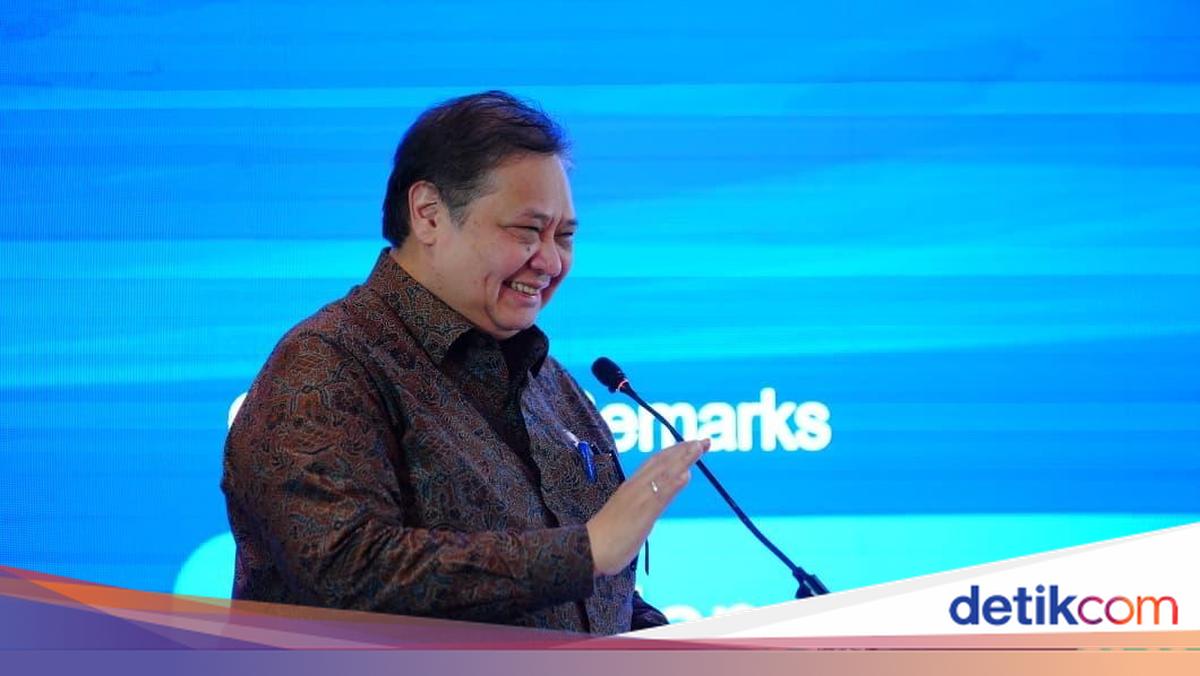
One such effort is expanding energy supply cooperation with various countries such as Nigeria, Gabon, and other alternative nations. This step is aimed at ensuring national energy supply security. This was stated by Coordinating Minister for the Economy Airlangga Hartarto at the National Seminar on Indonesia OECD Accession & Private Sector Implications today.
“In a global situation full of uncertainties, Indonesia needs to ensure national resilience through adaptive policies oriented towards long-term interests. Efforts in energy diversification, strengthening domestic capacity, and improving human resource quality are key to maintaining stability and driving sustainable economic growth,” stated Airlangga Hartarto in a written remark on Tuesday (21/4/2026).
On the downstream side, Indonesia is also optimising regional cooperation for refined fuel fulfilment, while increasing domestic production capacity and accelerating biofuel utilisation through increased mandatory biodiesel blending. These policies are expected to curb import dependence while enhancing national energy resilience.
In addition, the implementation of Domestic Market Obligation (DMO) policies and a diverse energy mix also help maintain price stability, so that global commodity price fluctuations do not directly impact society.
Besides the energy sector, strengthening is also carried out in the food and fertiliser sectors through gas price controls for fertiliser production and increased domestic production capacity. Indonesia has even recorded surpluses in certain fertiliser productions and has begun meeting export demands from several countries.
“These efforts are part of learning from various global crises, including the pandemic, to ensure stronger national resilience,” he explained.
Looking ahead, Indonesia targets accelerated economic growth to achieve the vision of becoming a high-income country by 2045. This is supported by strengthening domestic consumption as the main contributor to the economy, as well as improving human resource quality through education development and global collaboration.
The government is also promoting the development of future technology-based economic sectors, including semiconductor ecosystems and digital transformation, as new pillars of national economic growth.
He stated that one national strategy in supporting the Golden Indonesia 2045 vision is also carried out by the government through efforts to accede Indonesia to the Organisation for Economic Co-operation and Development (OECD). This becomes a step to accelerate transformation towards an advanced country.
Airlangga said that alignment with OECD standards is expected to strengthen policy and regulatory quality in line with international best practices, thereby increasing competitiveness, global credibility, and investor confidence. These efforts will also encourage quality investment inflows, deepen trade, expand market access, and strengthen technology collaboration.
“OECD accession is a strategic effort to strengthen institutions and realise inclusive and sustainable prosperity, in line with the national development agenda in accelerating reforms in the economic, governance, and social sectors, as well as improving the quality of life for all Indonesian people,” explained Airlangga.
The process of Indonesia’s membership accession to the OECD has achieved significant progress. After the submission of the Initial Memorandum, Indonesia has now entered the technical review phase, which is an intensive stage requiring strong cross-ministry/institution coordination, evidence-based response preparation, and the ability to translate OECD standards into applicable and relevant reforms with national conditions.
“Going forward, this process will include deeper assessments of alignment with OECD standards, including through private sector involvement in fact-finding missions and targeted consultations to support the implementation of priority reforms,” he stated.
Furthermore, Indonesia’s accession to the OECD is a national effort involving close collaboration between the public and private sectors. Given the broad scope of policies and their direct impact on the business landscape in Indonesia.
For this reason, the government will continue to encourage various strategic initiatives to strengthen understanding, improve coordination, and promote collaboration among stakeholders in supporting the accession process.
The government is also working with the Indonesian Chamber of Commerce and Industry (KADIN) as a representative of the private sector to ensure that business perspectives are reflected in every stage of the OECD accession process.
“Private sector involvement is one of the keys in aligning reform priorities, ensuring that the resulting policies are practical and implementable, and accommodating input and opportunities from industry players to support more inclusive and impactful reforms,” he concluded.
On that occasion, Airlangga also expressed appreciation for the support of the British Government in the preparation process towards accession through the Growth Gateway programme, among others, by providing guidance
Source: jawawa.id (https://jawawa.id/newsitem/airlangga-outlines-indonesias-strategy-to-strengthen-competitiveness-and-economic-resilience-1776786648)
Originally published by detikcom (https://news.detik.com/berita/d-8455269/airlangga-beberkan-strategi-ri-perkuat-daya-saing-ketahanan-ekonomi), translated from Indonesian