
Airlangga: Industrial Downstreaming Key to Safeguarding Economy Amid Global Turbulence
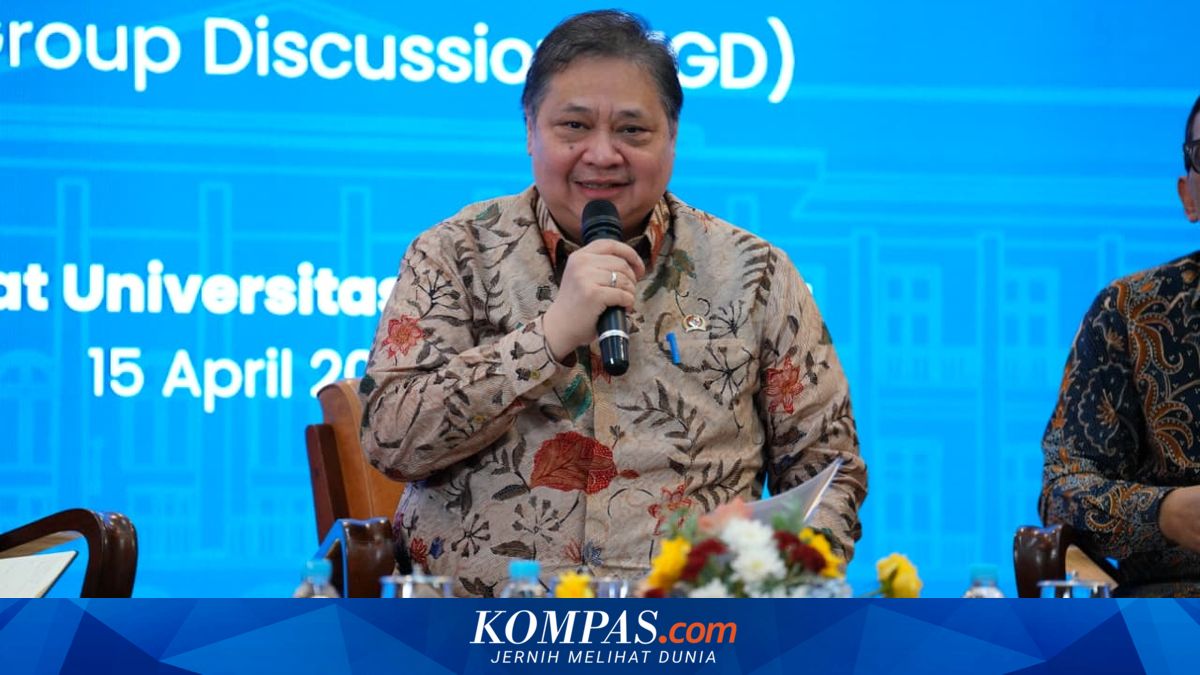
The government is strengthening its industrial downstreaming strategy as an effort to maintain national economic resilience amid rising global geopolitical tensions. Coordinating Minister for the Economy Airlangga Hartarto reminded that conflicts in the Middle East region, including potential disruptions in strategic routes such as the Strait of Hormuz, could directly impact global supply chains and energy prices. “Geopolitical tensions, particularly in the Middle East region and strategic routes like the Strait of Hormuz, need to be anticipated because they have the potential to disrupt global supply chains and trigger increases in energy prices,” Airlangga stated in his remarks on Sunday (19/4/2026). Economic growth was recorded at 5.11 percent in 2025 and is projected to increase to around 5.3 percent in 2026, supported by controlled inflation and sustained optimistic consumer confidence. Airlangga claimed that external performance is also considered solid, reflected in the ongoing trade balance surplus. In addition, a strong domestic economic structure serves as the main buffer against global turbulence. The banking sector is also assessed as still solid with adequate liquidity and strong capitalisation. To maintain stability, the government is combining fiscal, monetary, and financial sector policies. On the fiscal side, strengthening the state budget is carried out through optimisation of state revenues, spending efficiency, and budget reallocation to productive sectors. The government is also accelerating the distribution of stimulus to maintain people’s purchasing power, such as food assistance and social protection programmes. In the energy sector, strengthening is carried out through the implementation of B50 biodiesel as well as the development of new renewable energy (EBT). On the other hand, strategies to expand international cooperation continue to be promoted to strengthen market access and risk diversification.