
Airlangga Highlights Importance of ASEAN Food and Energy Resilience
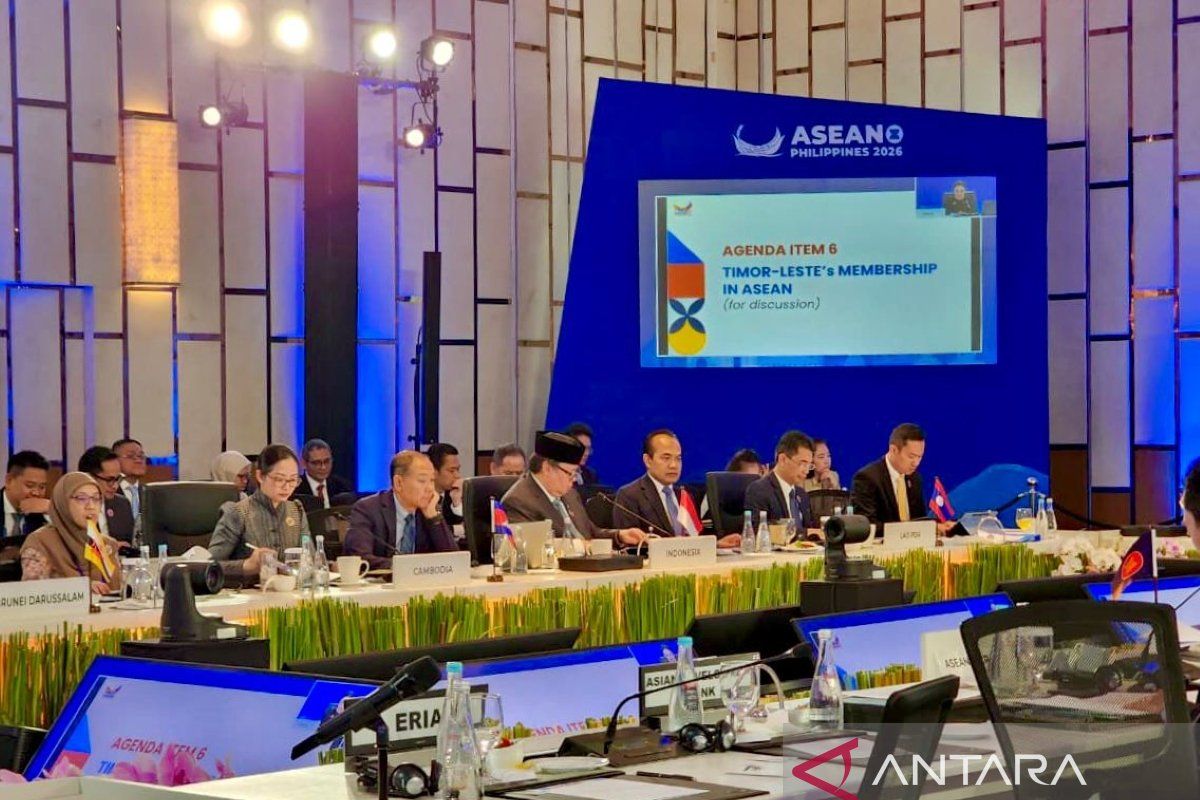
Jakarta (ANTARA) - Coordinating Minister for the Economy Airlangga Hartarto stated the need to strengthen energy and food resilience in ASEAN countries to address disruptions caused by the impacts of global conflicts.
This was conveyed by Airlangga while representing the Indonesian Government at the 27th ASEAN Economic Community Council (AECC) meeting in Cebu, Philippines.
“To address disruptions, energy resilience is required, optimisation of existing cooperation platforms, and a focus on strengthening trade among ASEAN members with strategic partners, such as ASEAN Plus One FTAs and the Regional Comprehensive Economic Partnership (RCEP), as well as utilising energy resilience cooperation like the ASEAN Power Grid (APG) and the ASEAN Framework Agreement on Petroleum Security (APSA),” Airlangga said in an official statement received in Jakarta on Thursday.
Airlangga also emphasised the importance of ASEAN strengthening regional cooperation, particularly in the energy, food, and supply chain sectors, to maintain regional economic stability amid global trade dynamics.
He further encouraged concrete steps to strengthen regional energy resilience through diversification of sources and supply routes, strengthening energy reserve mechanisms, and accelerating the implementation of regional cooperation.
In addition, diversifying trading partners is deemed necessary by utilising existing free trade agreement (FTA) networks and cooperation while still prioritising the increase in intra-ASEAN trade.
In 2026, when the Philippines holds the ASEAN chairmanship, it will face major challenges due to the impacts of the Iran-US-Israel conflict, which triggers limitations in energy supplies to surges in commodity and food prices in the region.
For the first time since the pandemic, the ASEAN economy faces the risk of slowdown due to these global conflicts.
Philippine Trade and Industry Minister Maria Cristina Aldeguer-Roque, as the meeting chair, requested views from ASEAN Economic Ministers on addressing the impacts of the war that hinders the availability of energy and crude oil-based products in the region.
Meanwhile, Head of the ASEAN+3 Macroeconomic Research Office (AMRO) Dong He highlighted risks from US domestic policies that trigger disruptions in energy and pesticide supplies to the region.
According to AMRO, this situation causes rises in energy and transportation prices, exchange rate depreciation, and inflation surges in ASEAN to the highest levels since the pandemic.
AMRO also indicated that ASEAN faces pressures of stagflation or the strongest economic growth stagnation since 2011, thus requiring short-term policies to dampen volatility while building adaptive long-term resilience.
Additionally, the Asian Development Bank (ADB) proposed strengthening energy and food resilience through concrete programmes with ASEAN bodies and the private sector. The ADB also expressed readiness to provide financing to ASEAN stock markets to help contain volatility and regional economic pressures.
On the other hand, the ASEAN Secretariat proposed the ASEAN CORE (Coordinated Response for Enduring Resilience) initiative as a rapid response to strengthen regional resilience, encompassing institutional reforms, deepening economic and financial integration, strengthening energy and food resilience, and enhancing maritime supply chain resilience.
Source: jawawa.id (https://jawawa.id/newsitem/airlangga-highlights-importance-of-asean-food-and-energy-resilience-1778181239)
Originally published by Antara (Indonesian) (https://www.antaranews.com/berita/5558944/airlangga-soroti-pentingnya-ketahanan-pangan-dan-energi-asean), translated from Indonesian