
Airlangga: Downstreaming makes investment more efficient, ICOR drops to 3
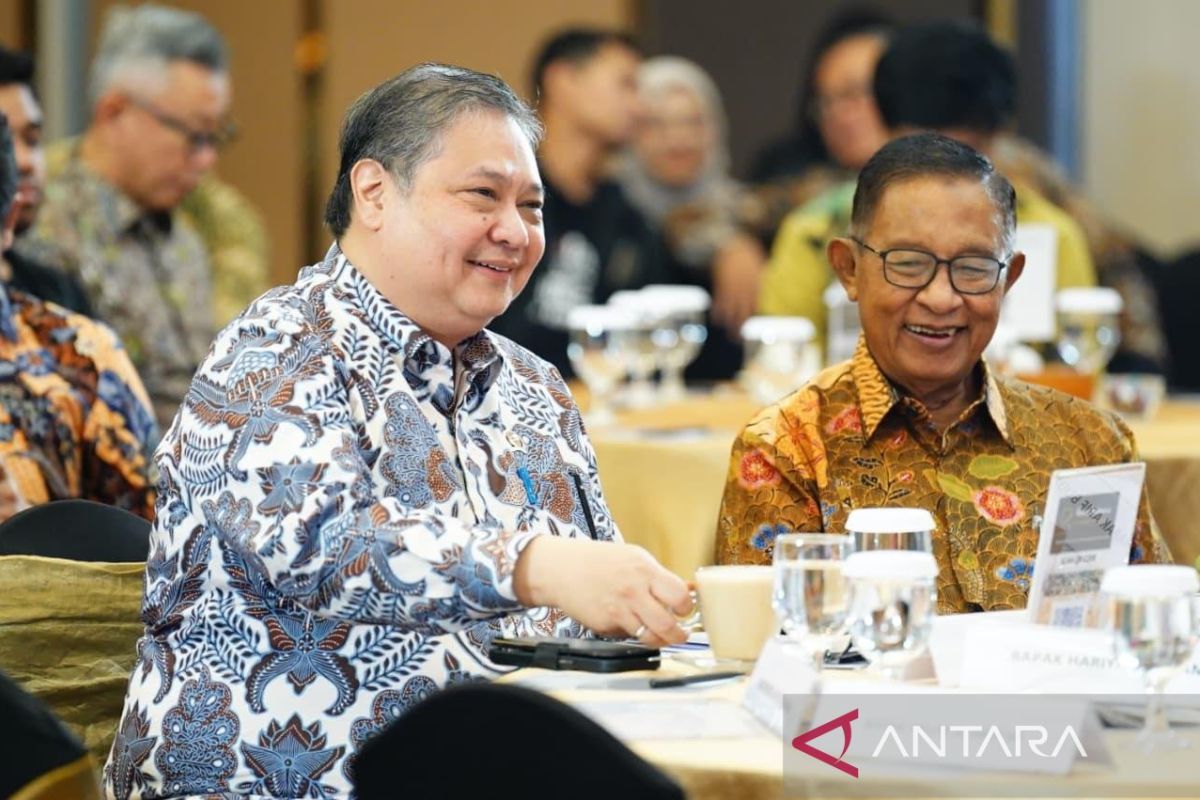
Coordinating Minister for Economic Affairs Airlangga Hartarto has stated that the mineral and coal downstreaming programme developed in industrial estates and special economic zones has improved investment efficiency. This is reflected in the Incremental Capital Output Ratio (ICOR) value in downstreaming areas, which stands at only around 3, far lower than the national average ICOR of 6. According to Airlangga, integrated downstreaming in industrial estates and special economic zones contributes significantly to economic growth while boosting investment productivity. “We see that mineral and coal downstreaming, which is entirely located in Industrial Estates or Special Economic Zones, contributes to economic growth. In fact, in these various areas, the ICOR value is 3, so it is below the average ICOR of 6. So, that is relatively quite good,” he said in a statement in Jakarta on Thursday. Airlangga noted that the processing industry has now become the main engine of growth in various regions of Indonesia. This condition shows that the process of economic transformation through downstreaming is beginning to have a more evenly distributed impact across different regions. The performance of economic growth continues to demonstrate strong resilience amidst global uncertainty. In the first quarter of 2026, Indonesia’s economy grew by 5.61 per cent year-on-year, higher than most G20 member countries. This growth was supported by strong government consumption, sustained household demand, and continued investment activity. He viewed this achievement as showing that the foundation of the Indonesian economy remains solid in facing various external pressures. In addition, a number of macroeconomic indicators are also in positive condition. The inflation rate was recorded at 3.08 per cent, foreign exchange reserves reached 144.9 billion US dollars, investment realisation hit Rp498.8 trillion, credit disbursement grew by 11.51 per cent, and the trade balance recorded a surplus for 72 consecutive months. Economic growth also occurred relatively evenly across various regions. Several areas outside Java even recorded growth rates above the national average, including Sulawesi at 6.95 per cent and Bali-Nusa Tenggara at 7.93 per cent. According to Airlangga, these achievements show that the downstreaming strategy and industrial estate development are beginning to become new sources of growth in various regions. “All these indicators confirm that the Indonesian economy stands on a foundation that is healthy, resilient, and ready to continue its growth momentum. However, we must still boost sectors that generate foreign exchange, for example the tourism sector,” he said.