
Airbus and Boeing Forced to Unite in Chartering World's Largest Cargo Plane
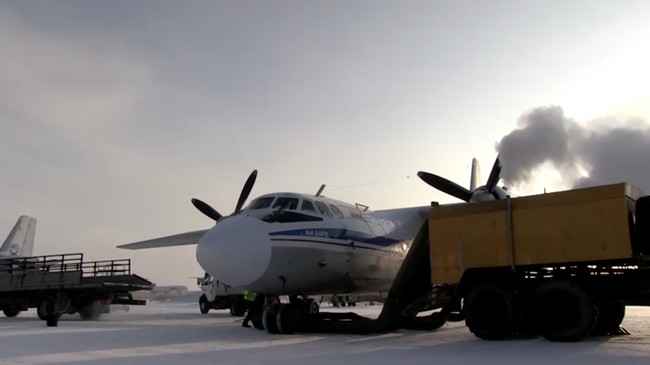
Jakarta, CNBC Indonesia – The world’s two aerospace giants, Airbus and Boeing, have reportedly been forced to charter one of the largest cargo aircraft in the world, the Antonov An-124, in recent weeks. The emergency step was taken to speed up the delivery of aerostructures for several of their civil and military aircraft variants. The unusual decision is a clear indication of the continuing pressure and tension in the global aerospace supply chain.
Quoting a Reuters report on Thursday (16/07/2026), the four-engine heavy transport aircraft was chartered to fly Airbus A350 fuselage components and Boeing 767 airframes used as cargo aircraft or military tankers. The use of this extremely expensive air freight option reflects the immense pressure faced by manufacturers to keep assembly lines running and to overcome bottlenecks that threaten the recovery of their mass production schedules.
Aircraft manufacturers normally rely on specialised sea transport, trucking networks or conventional cargo aircraft fleets. The sudden switch in transport mode will therefore certainly add to ballooning costs and signals that buffer stocks of components have become extremely scarce.
Boeing adopted a diplomatic stance when asked about the use of the giant Ukrainian cargo aircraft. Meanwhile, Airbus confirmed that in certain situations it had indeed used the services of the massive-capacity commercial aircraft in order to maintain its manufacturing rhythm.
“We use a variety of transportation methods to maintain stability in our production,” a Boeing spokesperson said, without directly commenting on the use of the Antonov An-124 jet.
“We sometimes use the Antonov,” an Airbus spokesperson said, without specifying whether the flights included carrying components of the A350 jet, their main wide-body product currently affected by delivery delays.
Giant Aircraft Speed Up Component Deliveries
Airbus’s decision to fly A350 spare parts rather than ship them by sea was triggered by declining production performance at the former Spirit AeroSystems plant in Kinston, North Carolina. The plant was taken over by Airbus last December as part of a corporate action to break up the supplier, together with its rival Boeing.
When the plant still belonged to its previous owner, components moved by sea because buffer stocks of four sets of spare parts were available. Now, however, air transport is urgently needed to avoid more severe new delays.
“Regarding Kinston, we are making progress towards separation from the previous owner and integration into the Airbus landscape. However, this remains a complex multi-year journey to complete,” the Airbus spokesperson said regarding the complicated situation at its US component plant.
Meanwhile, Boeing was recorded as chartering the same Antonov jet in late June to transport two upper fuselage sections from the Daher Aerospace plant in Florida to its assembly facility in Everett, Seattle. The giant-sized components are normally delivered by road, but had to be flown because of the urgency of their military and cargo jet production lines, which must not be halted.
“The components were urgently needed for 767 production. The delay would have resulted in significant economic costs if not avoided,” Boeing management wrote in an official letter dated 22 June to the US Department of Transportation, requesting a dispensation permit to use the foreign Antonov An-124 aircraft in domestic territory.