
AirAsia Indonesia Cuts Operating Loss by 6.9 Percent
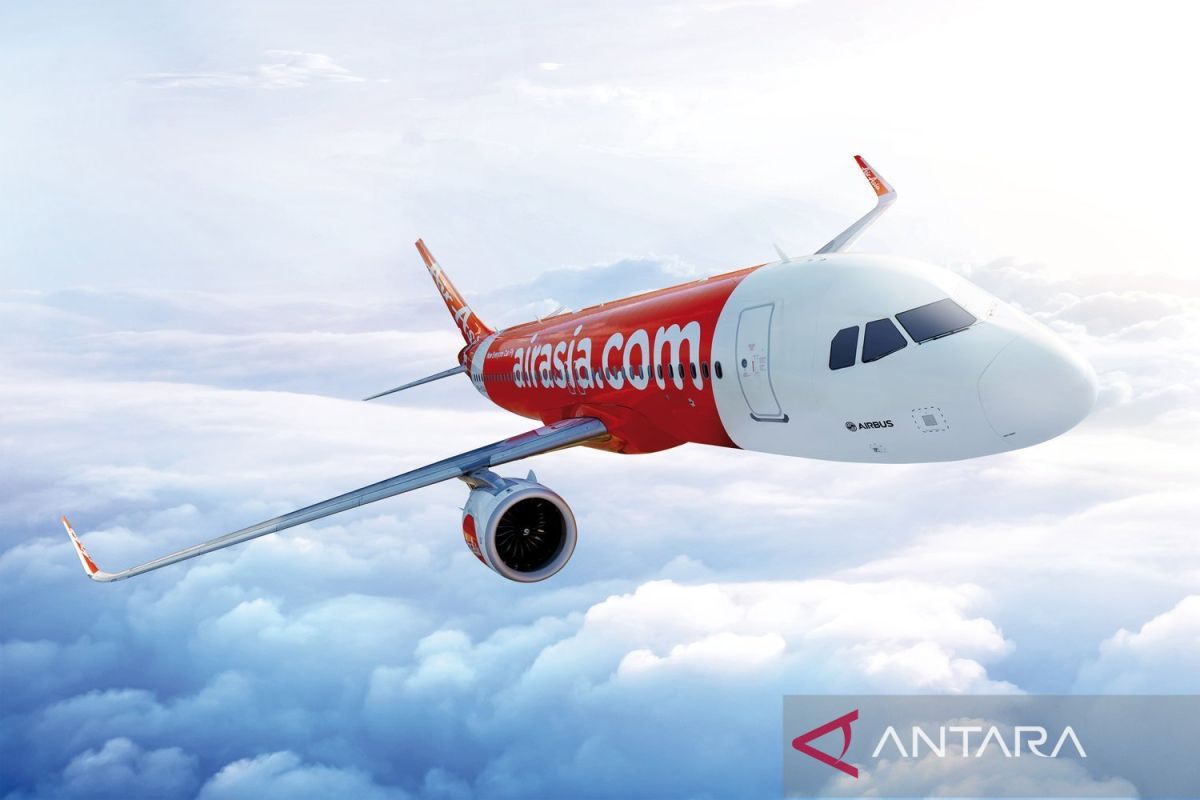
PT AirAsia Indonesia Tbk (AAID) has cut its operating losses by 6.9 per cent to Rp678.4 billion in the first half of 2026.
President Director of AirAsia Indonesia, Achmad Sadikin Abdurachman, said in Jakarta on Wednesday that over the first semester, global jet fuel prices had surged 46.7 per cent year-on-year, driving up the airline’s fuel costs by 26.1 per cent to Rp1.99 trillion.
Conditions became even more challenging as the rupiah weakened 5.0 per cent against the US dollar. However, through route restructuring and strict cost efficiency measures, Indonesia AirAsia managed to mitigate the impact.
The company’s total revenue stood at Rp3.91 trillion, a slight decline of 1.8 per cent compared with Rp3.98 trillion in the same period last year. The adjustment was the result of measured steps taken by Indonesia AirAsia in managing capacity, with the company prioritising profitable routes rather than merely chasing passenger volumes.
Indonesia AirAsia’s ticket sales contributed Rp3.31 trillion, while ancillary revenue amounted to Rp595 billion, driven by baggage services, in-flight meals, charter flights and air cargo.
Indonesia AirAsia adjusted its total flight capacity to 3.44 million seats, down 4.2 per cent, by restructuring routes and aircraft allocation.
To offset the surge in jet fuel prices, average fares were raised by 4.9 per cent to Rp1.13 million. This step successfully increased Revenue per Available Seat Kilometre (RASK) by 17.4 per cent to Rp854, indicating an improvement in the quality of the company’s revenue.
Meanwhile, public demand for air travel remained high, as evidenced by 2.83 million passengers carried across 19,125 flights, with the load factor holding firm at 82 per cent.
“The first half of 2026 was a testing period for the resilience of the global aviation industry in the face of a surge in operating costs. Rather than chasing inefficient passenger volumes, Indonesia AirAsia moved swiftly to adjust capacity, cut less promising routes and recalibrate ticket prices whilst maintaining a load factor of 82 per cent,” he said.
On the cost management side, the company continued to apply strict budget discipline, as reflected in a 1.2 per cent reduction in Cost per Available Seat Kilometre (CASK ex-fuel). This internal efficiency effectively cushioned the surge in operating expenses, enabling the company to reduce its losses by 6.9 per cent.
“Our focus on internal cost efficiency, particularly cutting non-essential marketing budgets and restructuring aircraft maintenance schedules, succeeded in reducing operating costs by 2.2 per cent while curbing our core operating loss by 6.9 per cent,” he explained.
Entering the second half of 2026, the company will focus on accelerating its performance recovery through optimising potential routes, improving fleet utilisation and pursuing comprehensive operational efficiency.
These measures are also supported by integration with the AirAsia Group ecosystem, particularly through the Fly-Thru connecting service, which links Indonesia AirAsia passengers to more than 150 destinations across Asia-Pacific.
“Going forward, we will continue to monitor market developments while prioritising operational flexibility and cost structure discipline. These measured steps are the key to safeguarding the sustainability of the company’s business, whilst continuing to deliver quality and affordable air travel for our passengers,” said Sadikin.