
Air Pollution Risks Disrupting Sleep Quality and Triggering Chronic Diseases
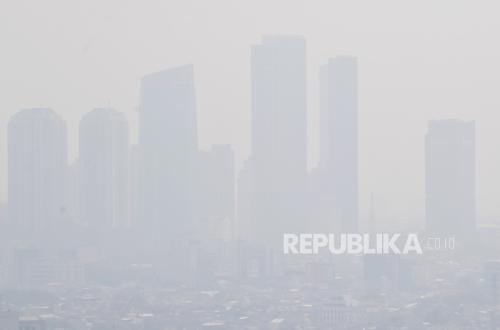
Short-term exposure to air pollution is assessed to impact the respiratory system and sleep quality, even when pollution levels are considered relatively low. This refers to a study conducted by researchers from the University of Cambridge, UK, and Tsinghua University, China.
The research found that the human respiratory system is highly sensitive to changes in fine particulate matter concentrations in the short term. Even in cities where air pollution levels remain below the daily exposure limits recommended by the World Health Organisation (WHO), poor air quality can still trigger respiratory symptoms.
In the study, researchers, in collaboration with the sleep technology company Sleep Cycle, analysed cough sounds from approximately 100,000 app users across 32 cities in 12 countries. The data was collected over 500 days. The analysis showed that every increase in fine particulate concentration of 10 micrograms per cubic metre was associated with a 2.4 per cent increase in cough rates over the following five days.
Study researcher Cecilia Mascolo stated that these findings indicate the possible absence of a truly safe threshold for air pollution exposure. “Therefore, the public may consider several ways to reduce exposure to air pollution, including wearing masks or using air purifiers at home,” Mascolo said, as reported by Euro News on Wednesday (16/09/2026).
In addition to causing irritation to the respiratory system, coughing during the night can also disrupt sleep quality. Acute exposure to air pollution and poor sleep quality can be linked to cardiometabolic disorders, decreased cognitive performance, and neurodegenerative risks.
Researchers also observed conditions in Los Angeles in 2025, when the city experienced its worst wildfire season in recent years. Under such extreme pollution conditions, an increase in fine particulate concentration of 10 micrograms per cubic metre was associated with a 10 per cent surge in nocturnal coughing.
The findings in Los Angeles demonstrate that extreme air pollution episodes can trigger an increase in acute respiratory symptoms directly and on a much larger scale compared to general pollution exposure. To ensure that the increase in coughing was not solely influenced by other factors, researchers also accounted for several external variables that can affect cough rates, such as weather conditions and influenza levels. However, even after these factors were accounted for, the pattern of increased coughing related to air pollution remained evident.
Source: jawawa.id (https://jawawa.id/newsitem/air-pollution-risks-disrupting-sleep-quality-and-triggering-chronic-diseases-1789552951)
Originally published by Republika (https://ameera.republika.co.id/berita/tlg8ge425/polusi-udara-berisiko-ganggu-kualitas-tidur-hingga-picu-penyakit-kronis), translated from Indonesian