
Air pollution exposure can impair children's lung function
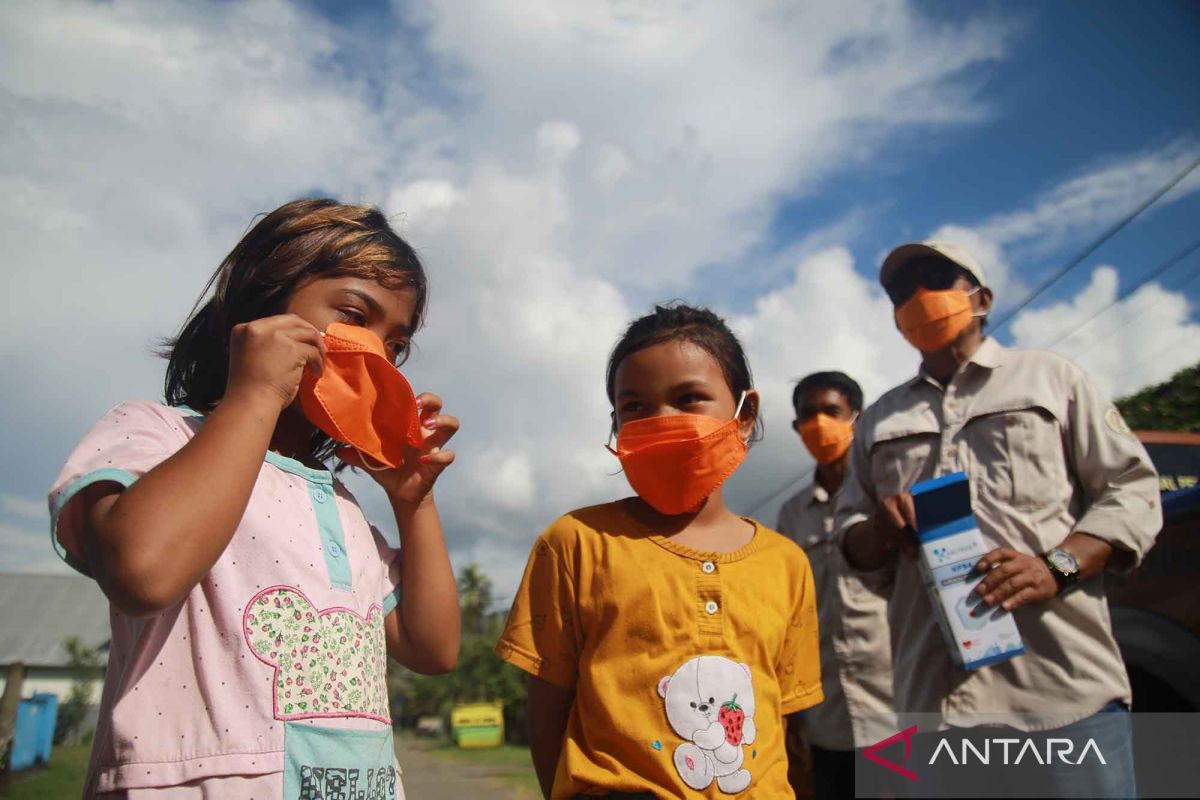
The Indonesian Pediatric Society (IDAI) has warned that exposure to air pollution can affect lung function in children.
Dr Cynthia Centauri, a member of the IDAI Respiratory Coordination Unit, stated that research conducted in 2024 shows a decline in lung function among children living in areas with high air pollution. During an online seminar titled “The Impact of Air Pollution on Children” held in Jakarta on Tuesday, she reported that 13.3 per cent of school children in Jakarta areas with high pollution levels experienced a decline in lung function over a six-month period.
“From that research, I found that 1s.3 per cent of children who appeared healthy, had no activity disturbances, no shortness of breath, and attended school normally, already showed a decline in lung function,” said Cynthia.
The study also demonstrated that the higher the levels of PM2.5 particulate matter in the environment, the greater the impairment of lung function found through spirometry examinations used to evaluate respiratory health.
Cynthia noted that children are more vulnerable to the impacts of air pollution because they inhale two to three times more air compared to adults. As children’s airways are still developing, she stated that lung damage triggered by pollution exposure could persist into adulthood.
Outdoors, children can be exposed to air pollution from vehicle emissions, waste burning, industrial activities, and forest fires. Indoors, Cynthia explained that children can be exposed to pollutants from cigarette smoke, vaping, dust, paint, varnish, glue, and Volatile Organic Compounds (VOCs).
Cynthia added that children living near main roads are at higher risk of being affected by Traffic-Related Air Pollution (TRAP). According to her, exposure to air pollution can trigger respiratory tract infections, asthma, bronchitis, decreased lung function, as well as disorders in the heart, blood vessels, and the nervous system.
To reduce the impact of air pollution on children’s health, Cynthia suggested that activities such as burning waste or smoking and vaping should not be performed near children. Additionally, children should be kept away from areas with high air pollution and should wear masks if necessary.
The use of air purifiers and the planting of vegetation that can help reduce pollutants in residential environments are also viable options to mitigate the health impacts of air pollution on children.