
AIPNI East Java Prepares Internationally Standardised Nurses
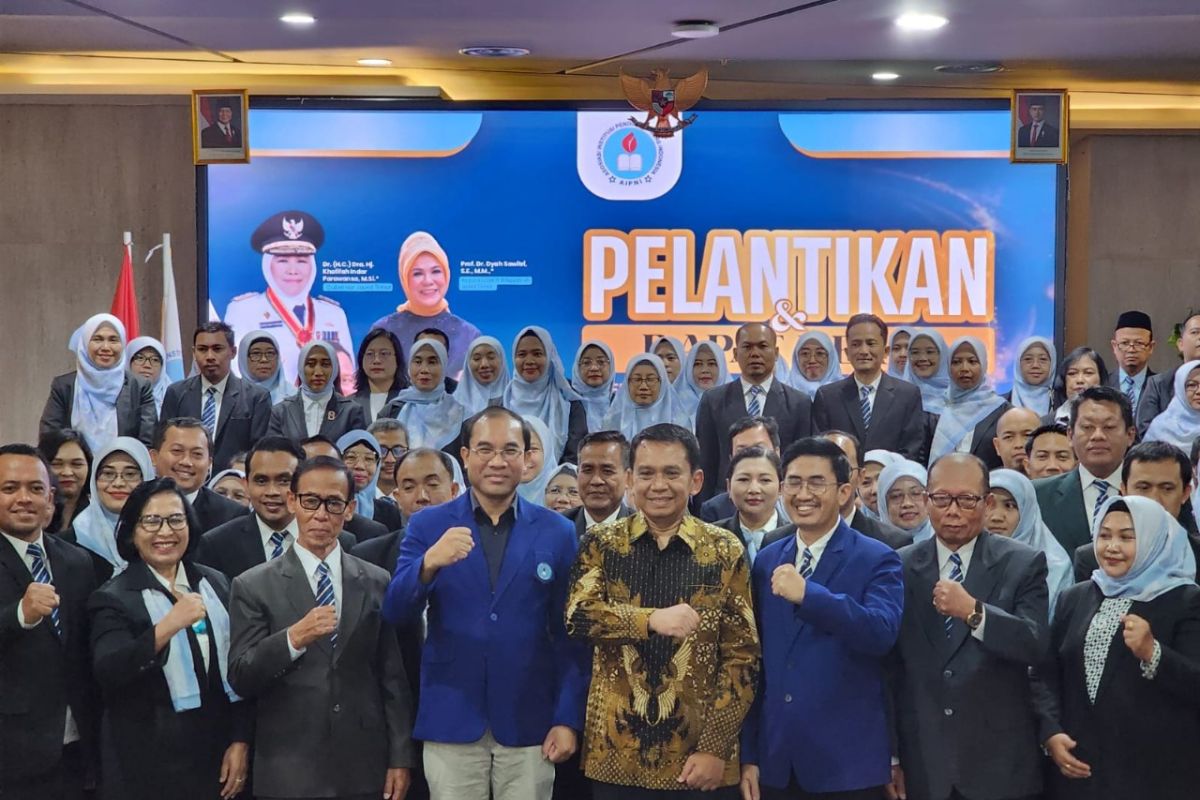
Surabaya (ANTARA) - The Association of Indonesian Nurse Education Institutions (AIPNI) Regional IX East Java is preparing nurses to meet international standards through curriculum strengthening, cross-sector collaboration, and competency enhancement to fulfil national healthcare needs and the global job market.
AIPNI Regional IX East Java Chairman M Hasinuddin stated that one of the focuses for the 2026–2030 management period is accelerating the internationalisation of nursing education. “Currently, out of 62 higher education institutions that are members of AIPNI Regional IX East Java, only around 10 per cent have implemented an internationally standardised curriculum,” he said during a management meeting in Surabaya on Wednesday.
“The main challenge is language proficiency. Therefore, we are striving to build a language culture within the educational environment so that graduates are better prepared to compete and more easily obtain employment abroad,” he added. He noted that job opportunities for nursing graduates overseas remain wide open, including in the Middle East region. “The competence and skills of Indonesian nurses are recognised and able to compete with graduates from various countries. It is just a matter of continuously improving language ability and international readiness,” he said.
Head of the East Java Health Office Erwin Astha Triyono expressed appreciation for the inauguration and working meeting of the AIPNI Regional IX East Java management. “I hope the new management can carry out this mandate well and continue to collaborate with the East Java Provincial Health Office. Our task today is to produce quality, excellent health workers, particularly nurses, who can keep pace with the dynamics of health technology development, including artificial intelligence (AI)-based technology,” he said.
Erwin stated that the current challenge in providing nursing personnel is not only about the number of graduates but also the quality of education and the equitable distribution of health workers across various regions. “In principle, the shortage of nurses is relative. Our task, together with the Ministry of Health, is to manage the production of graduates according to need, then ensure their quality is good and their distribution is even. Nurses should not only be concentrated in big cities while remote areas that urgently need them face shortages,” he said.
He mentioned that East Java has around 70,000 nurses, which is generally sufficient to meet demand. However, competency improvement through continuing education remains necessary so that health workers can keep up with developments in science and technology.
Meanwhile, Head of the Higher Education Service Institution (LLDIKTI) Region VII East Java Prof Dr Dyah Sawitri said AIPNI is expected to be a driving force in improving the quality of nursing education through strengthened international collaboration. “The nursing profession will become a new opportunity and strength if we can build international collaboration. Therefore, we hope the curriculum is designed with international standards while still prioritising local excellence and character,” she said.
According to Dyah, the curriculum needs to be adapted to the requirements of destination countries for graduate placement, including strengthening foreign language skills so that graduates are ready to work abroad without additional training.