
AIGCC stresses need for clarity on Indonesia’s energy transition roadmap
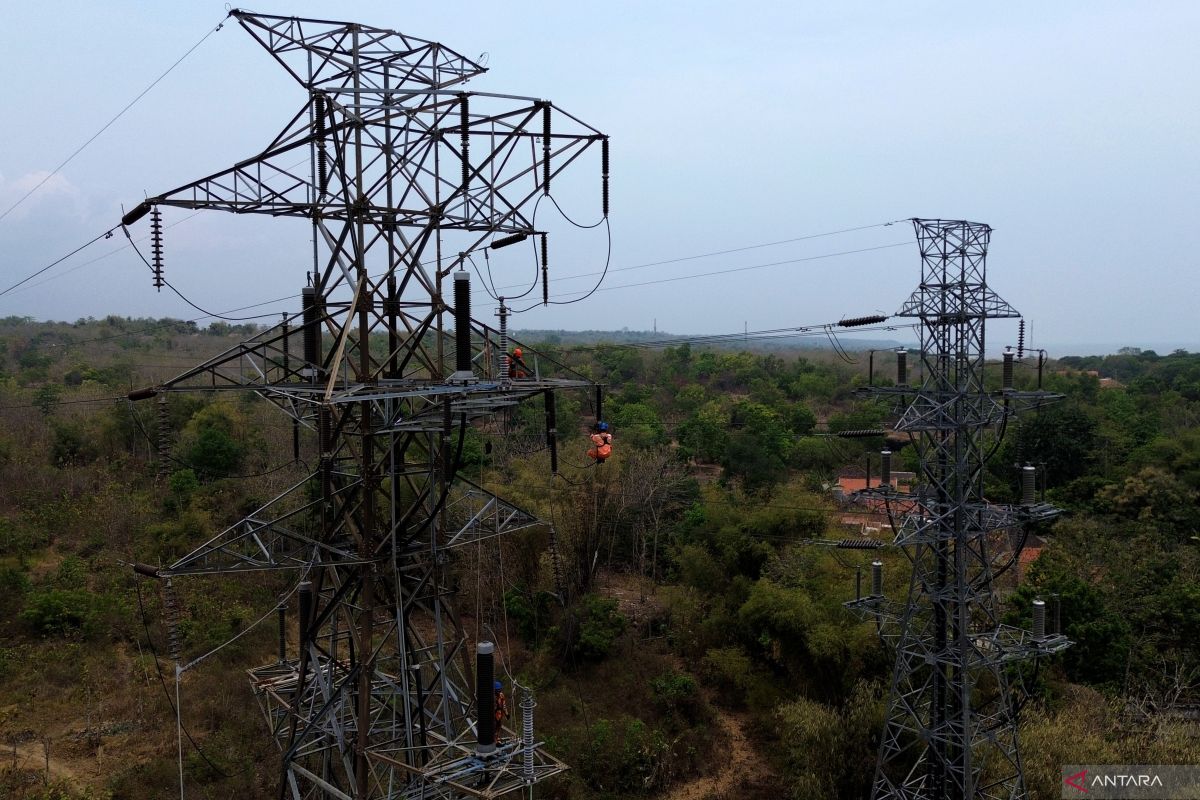
Indonesia’s economic growth depends on reliable and affordable electricity. A transition that can be financed is the way to maintain supply as the economy continues to grow.
Jakarta (ANTARA) – The Asia Investor Group on Climate Change (AIGCC) has stressed the importance of clarity in Indonesia’s energy transition roadmap to increase certainty for private investment, particularly in the electricity sector and renewable energy development.
AIGCC chief executive Rebecca Mikula-Wright said the challenge in Indonesia’s power transition was no longer a lack of planning, but aligning existing policies with clear implementation that investors could use as a reference.
“This report is not calling for a new strategy. What is needed is to connect existing energy transition policy designs into a clear implementation pathway that is useful to investors,” Rebecca said, according to an official statement received in Jakarta on Monday.
Investors regard the electricity sector as the foundation of Asia’s climate transition, Rebecca said, because decarbonising industry, transport and buildings depends on a reliable, affordable and increasingly clean power supply.
South Korea, Indonesia and Malaysia are the region’s three most significant electricity markets, and each has developed a comprehensive planning framework.
Investors now need those plans to be integrated into an investable roadmap, complete with a project pipeline, revenue models and risk allocation, so that capital can be deployed.
The report also highlights the role of the Comprehensive Investment and Policy Plan (CIPP) under the Just Energy Transition Partnership (JETP). The document offers a more ambitious, investor-oriented transition pathway, although it is non-binding.
For Indonesia, AIGCC says investment viability depends on projects’ ability to secure financing, the financial sustainability of state-owned electricity company PT PLN (Persero), the delivery of power-grid development, and clarity on the direction of the transition away from coal-fired power plants, including captive plants supplying industrial estates.
“Indonesia’s economic growth depends on reliable and affordable electricity. A transition that can be financed is the way to maintain supply as the economy continues to grow,” she said.
To strengthen the appeal of private investment, AIGCC has identified five priority areas for policymakers.
First, align the national energy transition roadmap, the electricity-sector roadmap and the JETP, including how captive power plants are addressed and emissions-reduction targets are set.
Second, clarify project procurement mechanisms, electricity tariffs, payment guarantees, foreign-exchange risks, government support and PLN revenues so projects have financing certainty.
Third, set out the transition pathway for coal-fired and captive power plants, including financing arrangements, compensation, replacement capacity and the application of just transition principles. Fourth, ensure technology and grid readiness, and improve the disclosure of project information to investors.
Fifth, strengthen transparency by disclosing carbon-market assumptions, reporting on transition progress, and holding regular dialogue with investors and other stakeholders.
The 2025–2034 Electricity Supply Business Plan (RUPTL) targets an additional 69.5 gigawatts (GW) of generating capacity, around three-quarters of which is expected to come from renewable energy and energy storage. Developing this capacity is projected to cost US$188 billion.
Rebecca said Indonesia had made efforts to plan its power transition, but the next challenge was ensuring the plans could be financed.
“Indonesia has worked very hard to plan its electricity transition. The opportunity now is to make those plans financeable,” she said.
AIGCC says long-term targets alone are not enough to attract capital. Investors also need implementation details, including interim targets, funding requirements, a project pipeline, revenue mechanisms, risk allocation, grid readiness and monitoring arrangements.
Source: jawawa.id (https://jawawa.id/newsitem/aigcc-stresses-need-for-clarity-on-indonesias-energy-transition-roadmap-1793012011)
Originally published by Antara (Indonesian) (https://www.antaranews.com/berita/5812363/aigcc-tekankan-penting-kejelasan-peta-jalan-transisi-energi-indonesia), translated from Indonesian