
AI Voice Cloning Threatens Voice Actor Profession
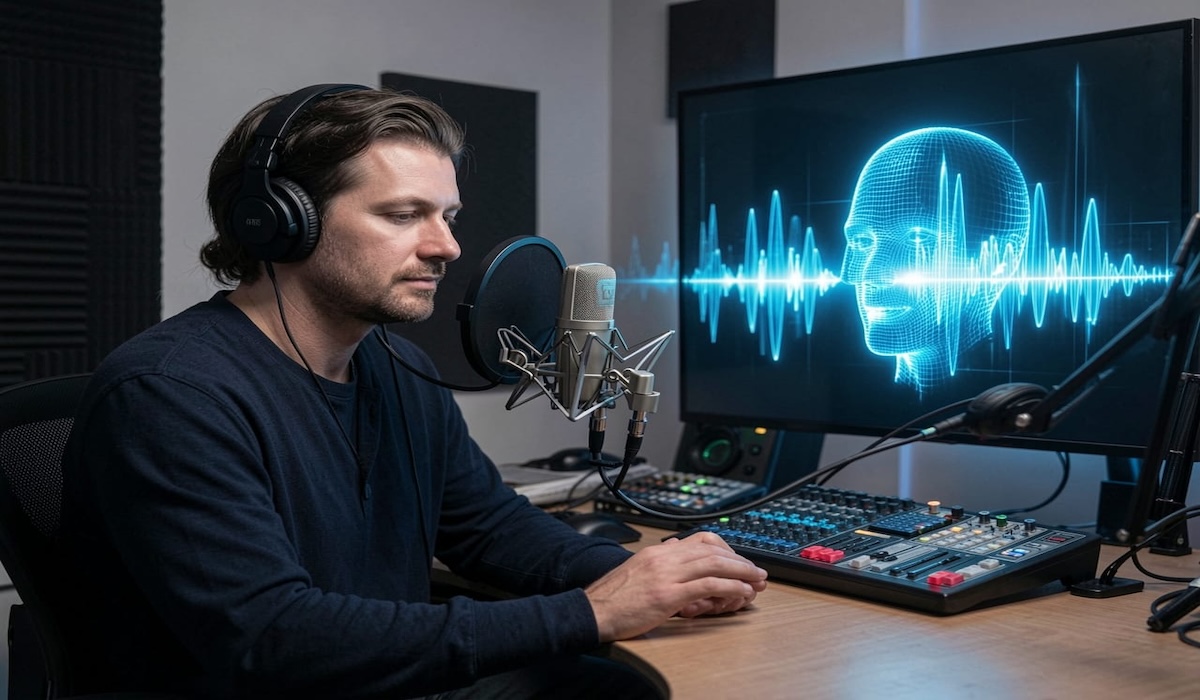
Artificial intelligence (AI) voice cloning is now a real threat to the profession of professional voice actors due to its ability to replicate human voices identically for various content needs. This phenomenon has sparked serious concerns regarding the sustainability of jobs in the creative industry, from advertising narration to video game characters.
The entertainment industry union, SAG-AFTRA, which represents around 160,000 members, has firmly highlighted the use of digital replicas without permission. According to the union, AI technology allows companies to produce new audio material without involving the original voice owner in conventional recording processes, potentially cutting performers’ income.
In response to this challenge, SAG-AFTRA has established three main principles of protection for voice workers: clear consent, fair compensation, and full control over the use of voice identity. New rules are being advocated so that every digital replication must obtain explicit consent from the voice actor concerned.
Although considered a threat, this technology also opens up new business model opportunities in the form of voice licensing. Voice actors can now act as licence owners who rent out their digital voices. One concrete step is SAG-AFTRA’s collaboration with Ethovox, which allows performers to license their voices voluntarily with legal protection and measurable compensation.
However, illegal practices remain a major concern. In February 2026, SAG-AFTRA strongly condemned the use of voice likeness without permission, which harms the economic rights of creative workers. This issue has now developed into a complex matter involving copyright, privacy, and the integrity of individual identity in the digital space.
Going forward, the challenge for voice actors is not merely competing with machines, but ensuring strong regulation. The creative industry is required to balance technological innovation with the protection of workers’ human rights so that AI advancement does not sacrifice human existence in the field of voice artistry.