
AI utilisation seen supporting transparent goods and services procurement
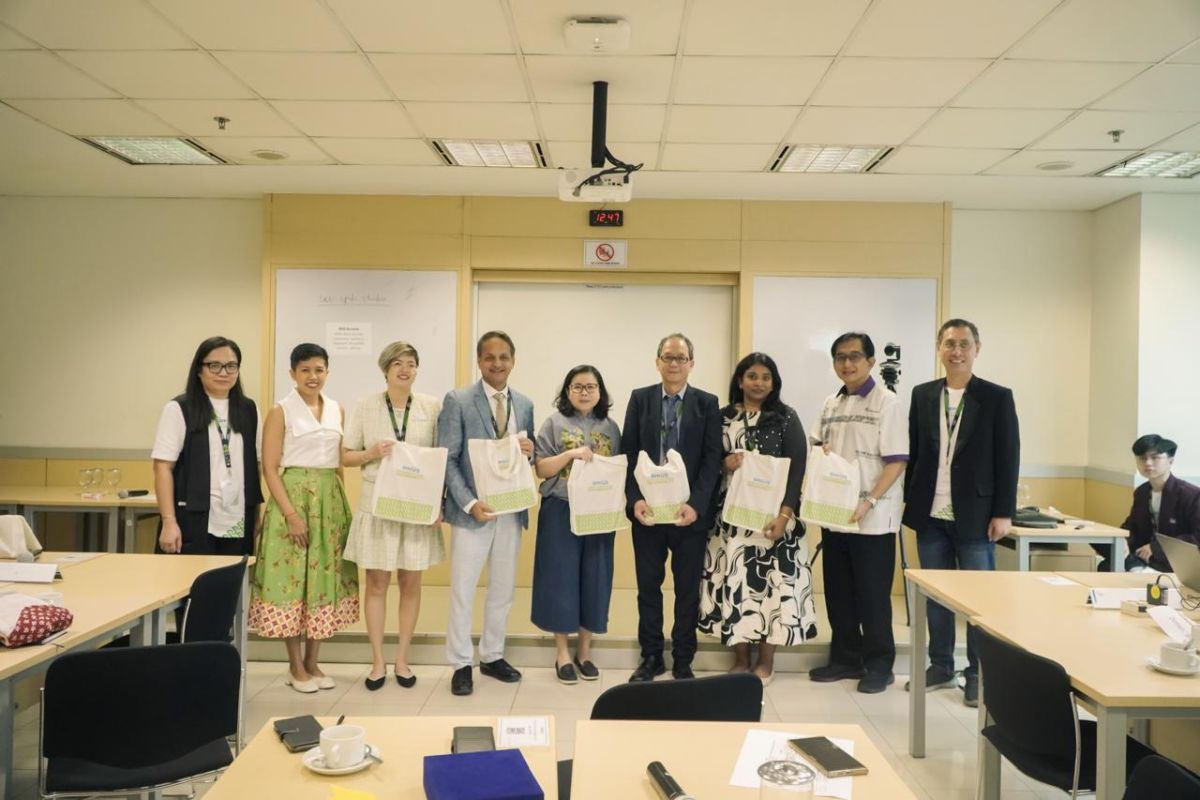
Australia’s RMIT University, together with BINUS University, is assisting Indonesia in implementing transparent and sustainable procurement of goods and services through the use of artificial intelligence. RMIT Director Indonesia Tantia Dian Permata Indah stated that procurement must be viewed as a strategic instrument in driving Indonesia’s sustainability transition. She noted that when government procurement spending involves over a thousand trillion rupiah, the procurement function can no longer be seen merely as a behind-the-scenes administrative matter. “Sustainability becomes real through everyday decisions: what organisations buy, with whom they work, what standards vendors must meet, and how their performance is measured,” she said. To this end, RMIT aims to help institutions in Indonesia utilise data and AI responsibly so that these decisions become more transparent and sustainable. According to RMIT, the use of AI can help accelerate the evaluation process and analysis of sustainability data. However, the technology still requires human oversight to ensure assessment results are accountable. The sheer scale of government spending demonstrates that procurement has strategic potential to drive a greener and more inclusive economy. In 2025, the total general procurement plan of ministries, agencies, and regional governments reached approximately IDR 1,193.6 trillion, based on aggregated data from the National Public Procurement Agency. At this scale, decisions regarding the goods and services purchased, the vendors selected, and the standards applied can have a broad impact on the economy, society, and the environment. Indonesia also has more than 64 million micro, small, and medium enterprises that contribute over 60 per cent to gross domestic product and absorb nearly 97 per cent of the workforce. One of the instruments being developed is the Sustainable Procurement Disclosure Index. The index, developed by RMIT researchers, is used to measure the extent to which companies disclose sustainable procurement practices. The SPDI framework uses indicators referring to the Global Reporting Initiative sustainability reporting standards. BINUS is one of RMIT’s partners in expanding the application of the index in the Asia-Pacific region. Together with several universities in other countries, the institution is developing SPDI assessments for companies in Indonesia. In 2026, the collaboration will also produce a dataset comparing human and AI assessments of the sustainable procurement practices of 99 companies listed on the Indonesia Stock Exchange. The assessment is conducted using 33 SPDI indicators covering aspects of governance, stakeholder engagement, environment, social, and economy. Meanwhile, BINUS Center of Excellence in Sustainability Chair Yanthi Rumbina Ianova Hutagaol said the collaboration is important so that global sustainability frameworks can be applied in accordance with Indonesia’s conditions. “By combining RMIT’s international research and expertise with BINUS’s understanding of regulations, the business world, and the vendor ecosystem in Indonesia, this collaboration can help organisations move from ESG commitments towards real and measurable procurement practices,” she said.