
AI Threatens Jobs? It Could Also Be an Opportunity
When artificial intelligence (AI) begins taking over work previously done by people, the biggest issue is no longer how advanced the technology is, but how prepared people are to face change. The automation of customer services, data analysis, digital marketing and report writing is making the world of work move ever faster.
Amid this change, workers are expected to improve their skills, companies must reorganise their business strategies, and universities face the challenge of ensuring their graduates remain relevant to industry needs.
Fears that AI will replace people are not without basis. Technology can now complete a number of routine tasks more quickly. However, viewing AI solely as a threat risks making us miss opportunities to develop. The fundamental issue is the gap between the pace of technological development and people’s readiness to use it effectively, critically and responsibly.
In my view, the question we need to ask is not simply whether AI will replace human jobs, but whether we already have the skills needed to work alongside it. Changes in the workplace demand not only technological proficiency but also adaptability, critical thinking, communication, collaboration and sound decision-making.
In business, AI offers significant opportunities to improve efficiency and the quality of decision-making. Companies can use the technology to analyse consumer behaviour, identify market trends, speed up information processing and develop more targeted marketing strategies. With adequate data, business processes can run more effectively.
Technology, however, is not the answer to every problem. AI can make recommendations, but people must still judge whether they fit the context, needs and goals of an organisation. Business decisions concern more than figures and efficiency: they also involve customer trust, ethics, corporate reputation and effects on society.
This is where people remain essential. Creativity, empathy, critical thinking, communication skills and accountability must not be overlooked when companies adopt technology. AI can help process information, but people must be able to question its findings, understand the context and decide on the right course of action.
For this reason, I believe future competencies cannot be limited to the ability to operate digital tools. People also need to solve problems, work together, communicate ideas and continue learning. This combination of digital proficiency and human skills will be crucial in navigating changes in the world of work.
This challenge is also a task for universities. Education must go beyond delivering theory and achieving academic grades. Students need opportunities to apply their knowledge, analyse real-world problems and understand how technology is used in professional activities.
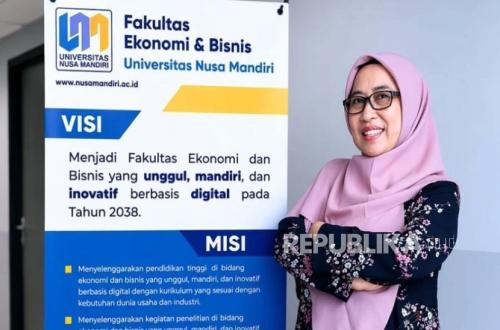
As Dean of the Faculty of Economics and Business at Nusa Mandiri University (UNM), I believe the Management and Digital Business study programmes have a strategic role in preparing graduates to face this transformation.
The Management programme equips students with an understanding of organisational management, marketing, finance, human resources and business strategy. The Digital Business programme, meanwhile, helps students understand how technology can be used to develop businesses, conduct digital marketing, analyse consumer behaviour and innovate business models.
These two fields complement each other. Businesses need professionals who understand strategy and can also use technology to create value. Mastering AI without understanding business can lead to technology being used without clear direction. Conversely, business knowledge without digital literacy risks leaving people struggling to keep pace with industrial change.
In line with UNM’s role as a Digital Business Campus, teaching needs to integrate business knowledge, technology, creativity and ethics. Students should be encouraged not merely to use AI, but to evaluate its outputs, recognise its limitations, protect data confidentiality and use it responsibly.
The 3+1 flagship programme—three years of study followed by one year of internship—can also bring academic learning into closer alignment with industry needs. Through relevant professional experience, students can understand how technology is applied in business processes, identify workplace challenges and develop skills needed in the working environment.
Nevertheless, readiness for the AI era cannot be the responsibility of universities alone. Students must take the initiative to improve their competencies, build portfolios, explore technology responsibly and keep their knowledge up to date. The world of work will continue to change, making the ability to learn and adapt a long-term necessity.
Companies, too, should see AI as part of an organisational transformation that must be managed wisely. Technology adoption should not focus solely on cost savings, but also on improving service quality, developing employees’ capabilities and creating new opportunities. Technological change will bring greater benefits when accompanied by a prepared workforce.
At the same time, we must not ignore the challenges of using AI, including inaccurate information, data breaches, algorithmic bias and ethical concerns. The use of technology must be accompanied by clear oversight and accountability. Digital progress must not come at the expense of trust and human values.
Ultimately, AI is not simply a matter of increasingly intelligent machines. It is about how people prepare themselves for change. Those unwilling to learn may struggle to keep up, while those able to combine expertise, creativity and technology have the opportunity to create new value.
The future of business is not about people versus machines, but about people who can use technology to become more productive, creative and valuable. Rather than simply fearing replacement by AI, we need to build the competencies to work alongside technology and help shape the future. As a Digital Business Campus, UNM is committed to promoting learning that keeps pace with technological developments and the needs of industry.