
AI Threatens Entertainment Industry: Japan Loses Rp 502 Billion, Raffi Ahmad at Risk
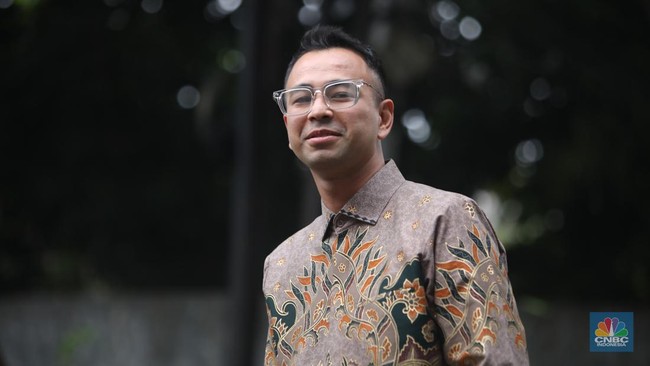
Artificial intelligence is proven to be detrimental to Japan’s entertainment industry, causing losses reaching a staggering figure. A similar threat is now beginning to loom over top Indonesian celebrities, including Raffi Ahmad. In Japan, AI is said to have committed copyright infringements against local artists, amounting to 4.5 billion yen, or approximately Rp 502 billion. A study released by the Japan Publication Rights Protection Organization (JAPRO) recorded 43,483 suspected cases of copyright infringement occurring within just a two-month period starting from June 2025. The methods used by perpetrators are diverse, ranging from using AI to alter celebrity photos into live-action versions of anime characters to mimicking the original voices of artists or fictional characters for singing without permission. Unfortunately, these AI-generated imitation contents are highly sought after online, with 335 million views recorded across various social media platforms for such content. The losses are calculated from two perspectives: the licensing fees that should have been paid for using a person’s likeness or voice, and the value of lost advertising revenue due to the high number of views on pirated content. Total losses are estimated to range between 2 billion and 4.5 billion yen. However, JAPRO cautions that this figure is likely much larger in reality. ‘The financial damage may be far greater than estimated, as the calculation is only based on cases that have been successfully identified,’ a JAPRO representative stated. This situation is exacerbated by the industry’s lack of preparedness. Only 28 percent of entertainment companies in Japan are aware of the losses caused by AI-based copyright infringements. Most agencies admit they are overwhelmed by tracking thousands of illegal contents spread across the internet, as this task cannot be done alone without technological support and clear regulations. In fact, only 1.1 percent of companies have established official guidelines for handling such cases, while the rest are still in the consideration stage or have not yet formulated any plans. This phenomenon is not just a problem in Japan. In Indonesia, the potential for similar losses threatens celebrities who are business icons and owners of various enterprises, including Raffi Ahmad. As one of the artists with the highest brand value in the country, Raffi Ahmad’s face, voice, and name are often used as the main attraction in advertising campaigns, product partnerships, and merchandise sales content. If similar AI technology is misused in Indonesia, the losses he could suffer might reach hundreds of billions of rupiah, potentially eroding the main income streams that have been the source of his wealth. Currently, AI-generated content imitating Raffi Ahmad’s face to promote counterfeit products, create engineered videos, and mimic his voice to persuade his followers has already begun to emerge. There are no strict legal regulations or specific handling guidelines in Indonesia to protect copyright and likeness rights from AI attacks. Similar to Japan, agencies and intellectual property rights managers in Indonesia are also struggling to track thousands of illegal contents that spread rapidly. If protective measures are not taken immediately, Raffi Ahmad could lose licensing revenue from the use of his name and likeness, suffer damage to consumer trust in products he partners with, and face unexpected losses that gradually erode the assets he has built over the years. The phenomenon in Japan serves as a stark warning. The new era of competition in the entertainment world is no longer about talent, but about who is most prepared to protect themselves from uncontrolled artificial intelligence.