
AI Technology Encouraged to Build Independence for People with Disabilities
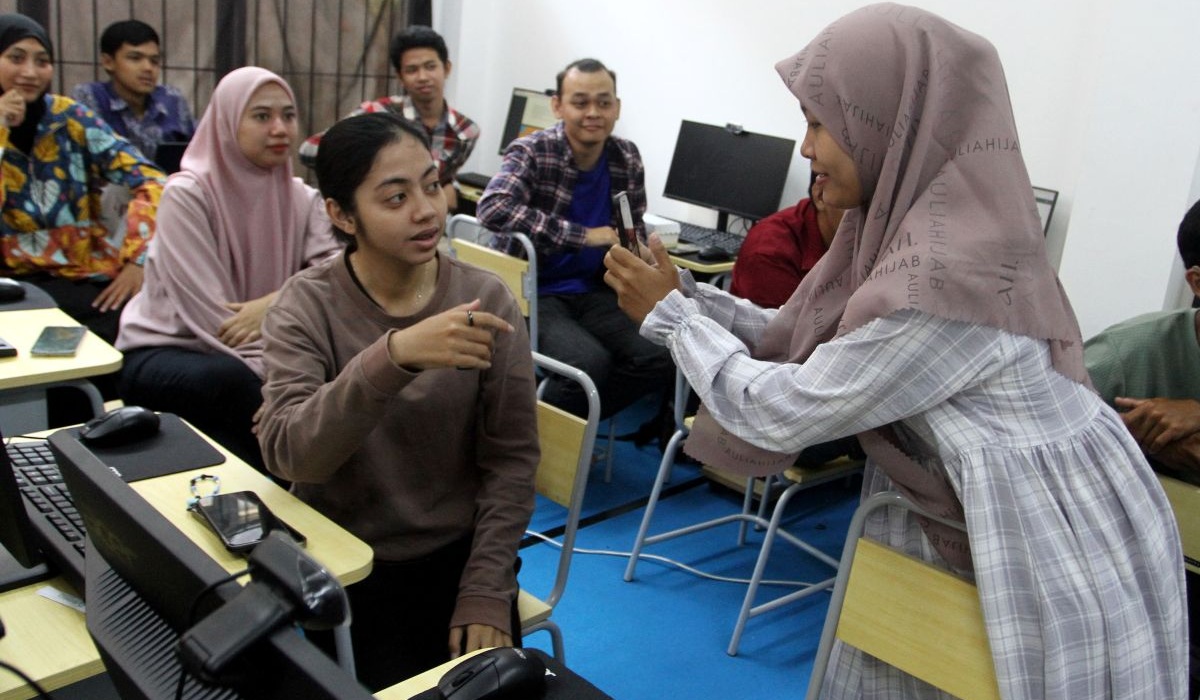
The utilisation of artificial intelligence (AI) for persons with disabilities must continue to be enhanced as part of efforts to fulfil the constitutional mandate to educate the life of the nation.
“The Preamble of the 1945 Constitution gives a very clear mandate to educate the life of the nation, which means for all citizens, including persons with disabilities. The use of AI for persons with disabilities is part of implementing that constitutional mandate,” said Deputy Speaker of the MPR RI, Lestari Moerdijat, in a written statement on Thursday (16 July).
According to Lestari, artificial intelligence or AI is now a new hope for persons with disabilities in Indonesia.
This technology, said Rerie, as Lestari is familiarly known, is considered capable of being an effective assistive tool to increase independence, from recognising surrounding objects to translating sign language.
According to Rerie, who is also a member of Commission X of the DPR RI, AI offers various features that can be tailored to specific needs. For the visually impaired, she added, technologies such as computer vision can help describe images and the surrounding environment.
Meanwhile, for the deaf, speech-to-text transcription and sign language translation features open up broader access to communication.
Rerie revealed that data from the Ministry of Higher Education, Science and Technology (Kemendiktisaintek) as of June 2025 recorded 3,128 students with disabilities studying at 282 higher education institutions.
This, said the member of the NasDem Party’s Supreme Council, indicates increasingly open access to higher education for persons with disabilities.
On the other hand, said Rerie, 2025 data from Statistics Indonesia (BPS) shows that many persons with disabilities still work in the informal sector (around 70%).
Mastery of AI, she added, can be an accelerator to open up economic opportunities and increase the productivity of persons with disabilities.
Rerie affirmed that, with the right approach, AI can become a tool for social justice, ensuring that Indonesia’s digital transformation delivers fairness for all Indonesians, including persons with disabilities.