
AI-powered 3 Tesla MRI supports faster stroke diagnosis
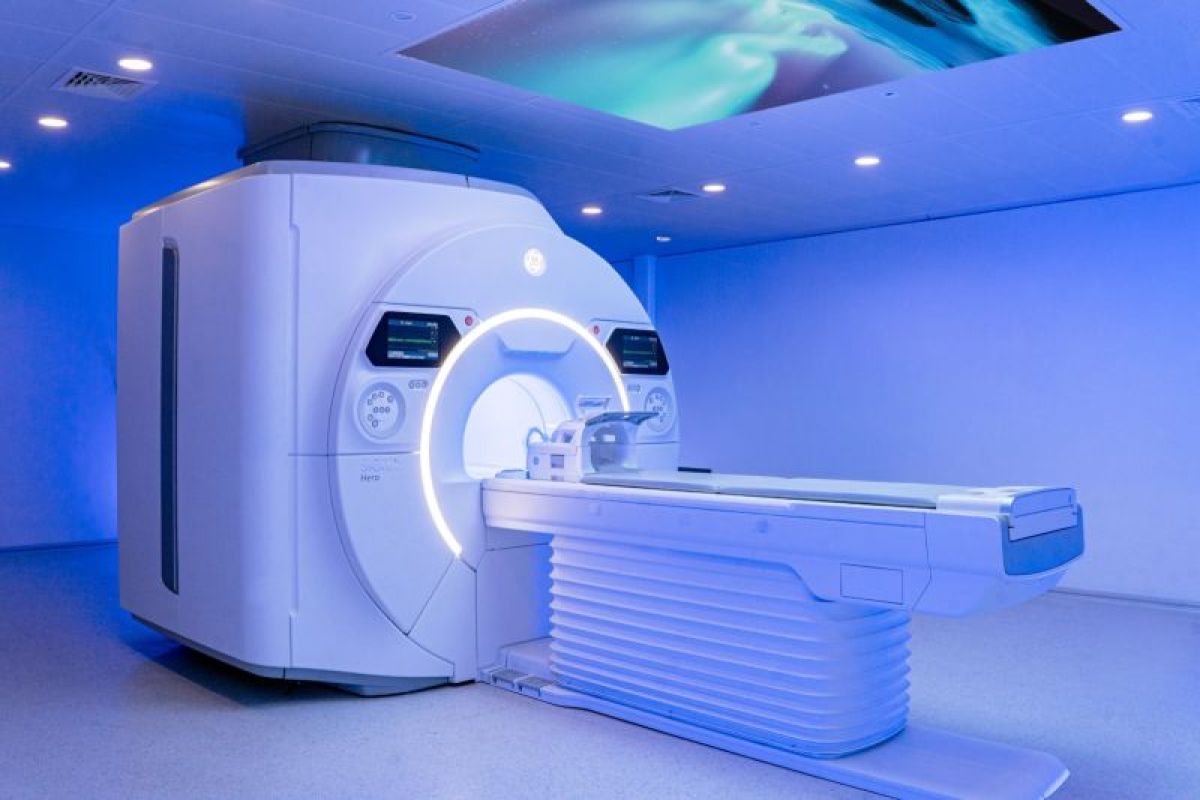
Stroke management requires rapid and accurate diagnosis to determine appropriate therapy based on the patient’s condition, with imaging examinations such as CT scans and MRI used according to medical indications.
A 3 Tesla MRI can produce higher-resolution images of brain tissue, helping doctors identify changes in brain tissue, including areas experiencing impaired blood flow.
“In stroke cases, the accuracy and speed of diagnosis are crucial. The 3 Tesla MRI can provide more detailed brain images, helping us see the affected areas more clearly,” said Dr Thio Ananda Steven, Sp.Rad, a radiology specialist at Bethsaida Hospital Gading Serpong, in a statement on Saturday.
He said that artificial intelligence (AI) support in MRI can help optimise image quality and examination efficiency to support doctors’ clinical decisions.
Nevertheless, imaging results must still be interpreted by a radiology specialist and combined with clinical examination by a neurologist.
Stroke patient management is also tailored to the type and condition experienced, including stroke caused by blocked blood vessels or brain haemorrhage.
Dr Muhammad Ichsan Fachrudin Firdaus, Sp.BS, FIS, a neurosurgery specialist at Bethsaida Hospital Gading Serpong, said some patients can be managed through medical therapy and observation, while certain conditions require neurosurgical evaluation.
“Stroke management must be carried out comprehensively, quickly, and accurately based on the patient’s condition and the results of supporting examinations,” he said.
Bethsaida Hospital Gading Serpong stated that its Stroke Response Unit service is available 24 hours a day and is integrated with the emergency team, ambulances, laboratory, radiology, operating theatre, and intensive care unit.
Dr Margareth Aryani Santoso, MARS, director of Bethsaida Hospital Gading Serpong, said acute stroke management requires rapid collaboration between the emergency team, radiology, neurologists, and other supporting teams.
“This technological support is part of our commitment to providing fast, accurate, and comprehensive stroke management from the moment the patient arrives,” she said.