
AI Motion Analysis Introduced for Sports and Healthcare Sectors
The use of artificial intelligence (AI) to analyse human body movement is being introduced to the sports and healthcare sectors in Indonesia. PT Alita Praya Mitra (Alita) has partnered with Fujitsu Limited to present Human Motion Analytics, an AI-based motion analytics technology that can be used for various needs, ranging from enhancing athletic performance to monitoring physical conditions.
The collaboration between the two companies was marked by the signing of a Memorandum of
Understanding (MoU) in Jakarta on Friday (11/9). The signing was conducted by the President Director of Alita, Joseph Lumban Gaol, and the Corporate Executive Officer as well as EVP Global Solutions Business Group of Fujitsu Limited, Naoko Otsuka. The technology was also introduced to the public through a joint booth by Alita and Fujitsu at the Indonesia Sports Summit 2026 at the Jakarta Convention Center, held from 11-13 September 2026.
During the event, visitors could directly experience four applications of Human Motion Analytics technology. The first application is AI Gait Analysis, used to analyse walking patterns and individual mobility. Additionally, there is Senior Functional Training, aimed at supporting the fitness of the elderly while helping to identify and reduce the risk of falls.
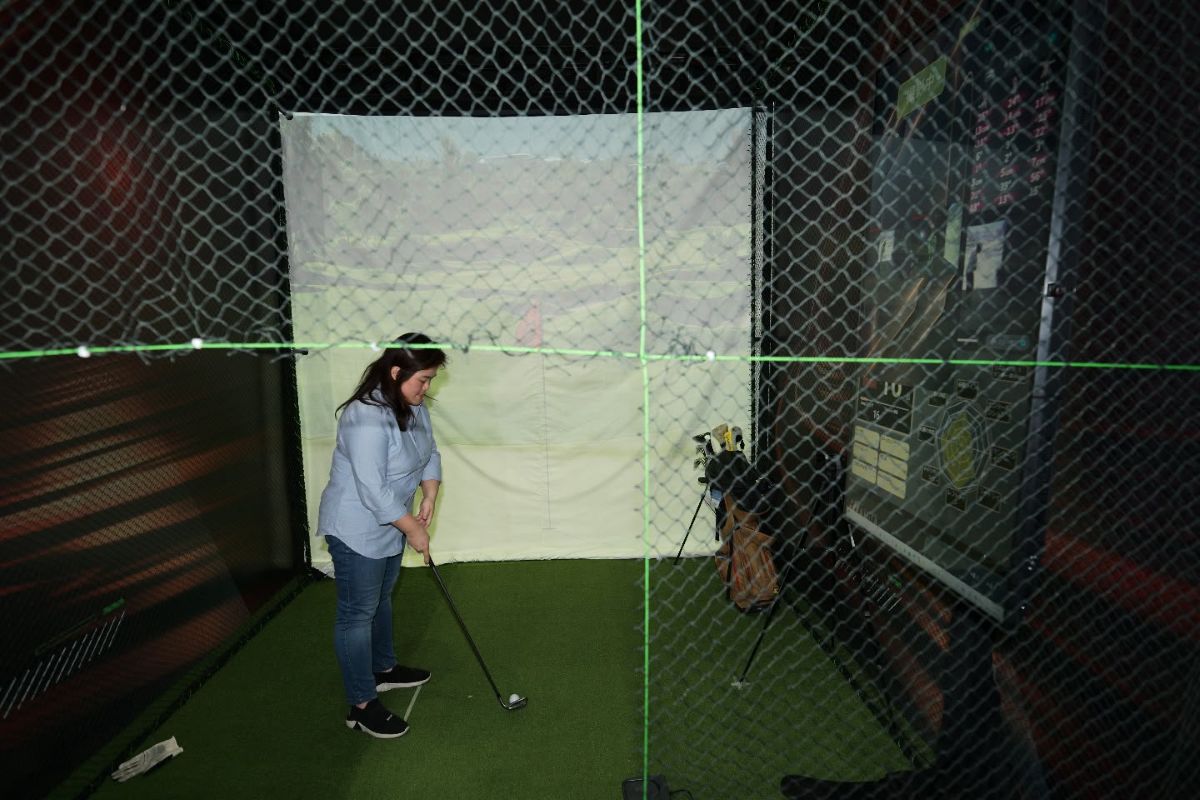
The technology is also applied through Rowing Performance Analysis to measure the technique and efficiency of rowing movements, as well as Golf Swing Analysis, used to analyse the mechanics of a swing in the sport of golf.
The President Director of Alita, Joseph Lumban Gaol, stated that the partnership with Fujitsu is part of the company’s steps to expand the use of digital technology into the sports and healthcare sectors. “This technology makes motion analysis, which previously could only be performed in a laboratory, much more affordable. Alita will develop its utilisation according to the Indonesian context,” Joseph said in an official statement.
The Human Motion Analytics technology developed by Fujitsu utilises skeleton recognition AI to digitise human body movements in three dimensions through ordinary video recordings. With this technology, users do not require sensors attached to the body or specialised motion capture studios.
Until now, objective motion analysis generally required laboratories and specialised equipment involving relatively high costs. This condition has made motion analysis technology difficult to access for some sports clubs, clinics, and training centres. The use of ordinary cameras and AI-based processing opens opportunities for motion analysis to be conducted in various locations, such as fields, training rooms, or clinics.
The technology has the potential to be used for various needs, including athlete talent identification, performance enhancement, injury prevention, and monitoring rehabilitation processes.
Human Motion Analytics technology is part of Fujintsu Uvance, a portfolio of solutions developed by Fujitsu for various cross-industry needs. Alita has also received approval to participate in the Uvance Partner programme, a strategic partnership programme by Fujitsu aimed at developing joint business opportunities across various markets.
Corporate Executive Officer and EVP Global Solutions Business Group of Fujitsu Limited, Naoko Otsuka, assessed that Indonesia has great opportunities in utilising technology that supports health, human performance, and the improvement of quality of life. “Through cooperation with Alita, which possesses local market understanding, infrastructure expertise, and national reach, we will explore the use of Fujitsu technology to meet the needs of the sports and healthcare sectors in Indonesia,” said Naoko.
Moving forward, both companies will conduct evaluations of the technical and commercial requirements for the implementation of this technology in Indonesia. The signed Memorandum of Understanding serves as a non-binding framework. Any form of commercial cooperation agreed upon in the future will be detailed in separate agreements. The presence of this AI-based motion analysis technology opens opportunities for wider digital technology utilisation in the sports and healthcare sectors, particularly in supporting performance enhancement, injury risk prevention, and the monitoring of human condition and mobility.