
AI Job Openings on the Rise in 2026, Some Roles Involve Teaching Robots to Wash Dishes
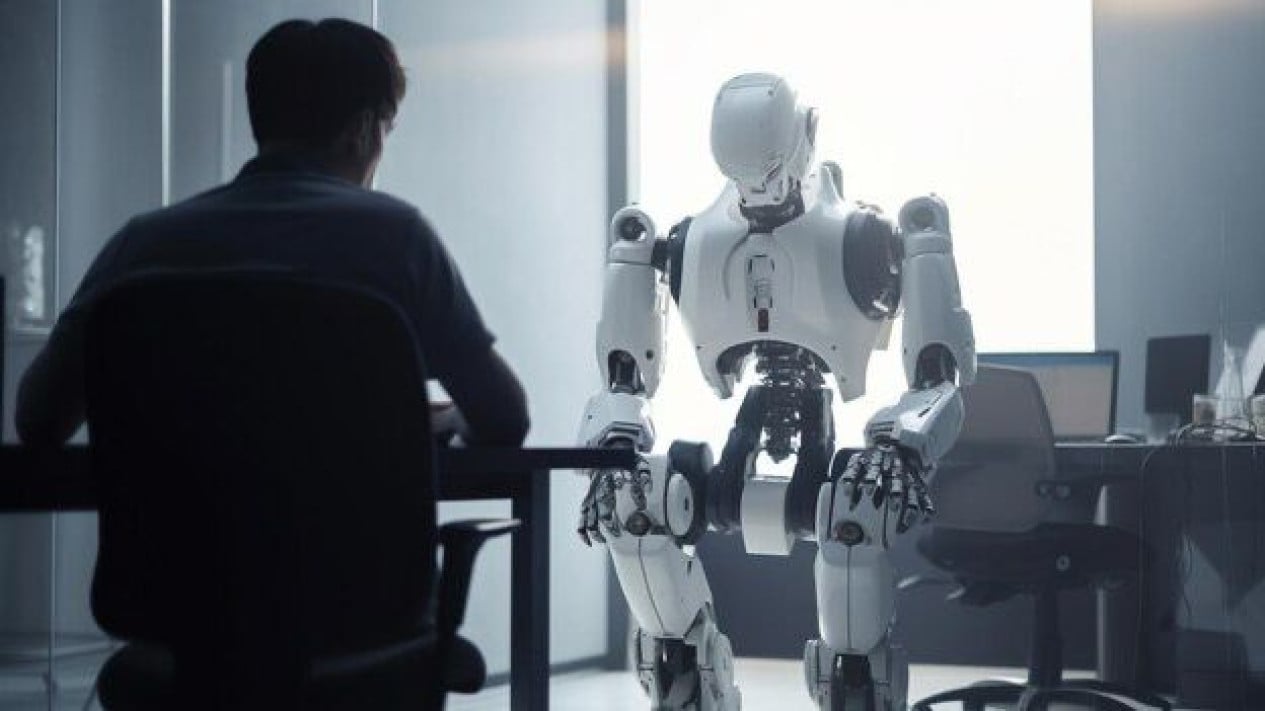
Jakarta, VIVA – The development of artificial intelligence or AI continues to give rise to new types of jobs in various countries. If previously AI was synonymous with chatbots or digital applications, the technology is now entering the physical world through humanoid robots, industrial robots, and automated systems that can imitate everyday human activities. This trend is driving a significant increase in AI and robotics vacancies in 2026, especially in the United States, China, Japan, and several European nations. Many global tech companies are racing to develop robots capable of working like humans, from assisting in logistics warehouses, restaurants, hospitals, to household tasks such as washing dishes and folding clothes. Interestingly, the demand for workers in this industry is not limited to programmers or high-level engineering graduates. Several companies are also opening opportunities for workers who can operate robots, understand human movements, and train AI using cameras and virtual devices. Drawing from various sources, here are some AI and robotics-related jobs predicted to be among the most sought after this year! 1. Machine Learning Engineer This profession is one of the backbones of the modern AI industry. Its main task is to develop AI systems so that robots can learn, understand their environment, and make decisions automatically. Machine Learning Engineers typically work with programming languages such as Python, PyTorch, and TensorFlow. This role is in high demand by companies developing humanoid robots and autonomous vehicles. In addition to coding skills, this profession also requires an understanding of computer vision, data training, and reinforcement learning. 2. Robotics Software Engineer This role focuses on developing software systems for robots. Its duties include navigation control, sensors, room mapping, and robot movement systems. Robotics Software Engineers generally use ROS2, Linux, and the C++ programming language. This profession is highly needed in the automated logistics industry, warehouse robots, and public service robots. 3. Perception Engineer Modern robots require the ability to “see” and understand the surrounding environment. Therefore, Perception Engineers are among the key professions in the AI and robotics industry. Their tasks involve developing camera and sensor systems so that robots can recognise objects, humans, and room conditions in real time. This profession is closely related to computer vision technologies, sensor fusion, and SLAM or simultaneous localisation and mapping.
Source: jawawa.id (https://jawawa.id/newsitem/ai-job-openings-on-the-rise-in-2026-some-roles-involve-teaching-robots-to-wash-dishes-1779537349)
Originally published by VIVA.co.id (https://www.viva.co.id/bisnis/1900622-lowongan-kerja-ai-makin-dicari-di-2026-ada-profesi-yang-tugasnya-ajari-robot-cuci-piring), translated from Indonesian