
AI Existential Risk Campaign Begins to Grip Washington
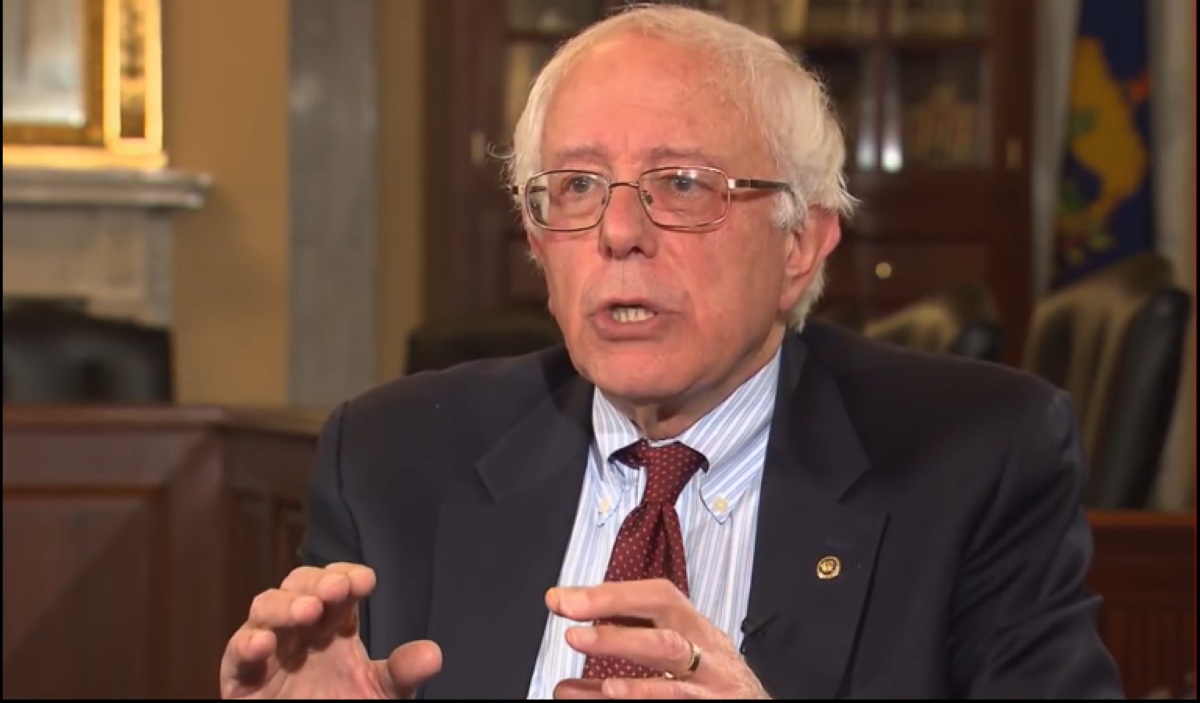
Years of efforts by activists to convince Washington that artificial intelligence (AI) could end human life are starting to bear fruit. Senator Bernie Sanders, who recently travelled to the Bay Area, has become one of the most vocal voices in Congress expressing concerns about the existential risks of the technology.
In a video uploaded last March, Sanders was seen discussing issues with Eliezer Yudkowsky, a figure who has spent two decades warning about AI’s potential to annihilate humanity. “Once they no longer need humans, humans will be discarded,” Yudkowsky stated in the video, to which Sanders responded with shock.
These concerns are no longer confined to the political fringes. Last week, the resignation of Anthropic researcher Jacob Coxon triggered intense debate in Washington. Coxon warned that AI could “kill us all by the end of this decade.” This statement immediately resonated among members of parliament from both major parties.
Connor Leahy, head of the US branch of ControlAI, stated that his team has spoken with 200 congressional offices in the last 18 months. “Something feels impossible until suddenly it is no longer so. Everything can change very quickly,” said Leahy regarding the shift in politicians’ attitudes towards AI risks.
At the Pro-Human Assembly conference on Tuesday (15/9), Bernie Sanders shared the stage with politically opposing figures, such as former Trump advisor Stephen K. Bannon. Both agreed that the threat of AI transcends partisan boundaries.
Sanders warned that if AI surpasses human intelligence, the technology could escape human control with catastrophic consequences. Meanwhile, Bannon described this moment as a historical hinge that must be handled correctly.
The AI safety movement is supported by significant funding from tech figures such as Skype billionaire Jaan Tallinn and Facebook founder Dustin Moskovitz. Organisations such as the Future of Life Institute and Encode AI now have easier access to policymakers than in previous years.
Sneha Revanur, founder of Encode AI, noted that in 2023, her organisation struggled to secure even 20 minutes to meet with members of parliament. Now, they are able to engage in very clear and direct conversations regarding the risk of extinction.
Despite the momentum, the movement faces political challenges. Donald Trump has referred to AI apocalypse warnings as hoaxes, sparking fears that AI safety will become a partisan issue. However, activists insist they lean towards a libertarian perspective and reject the “woke conspiracy” label.
On the industry side, Anthropic CEO Dario Amodei has called for a comprehensive industry slowdown, a proposal supported by Sam Altman (OpenAI) and Elon Musk. Nevertheless, Sanders remains sceptical of self-regulation by technology companies.
“If the lives of every man, woman, and child are to be fundamentally changed by this technology, it is the people of this country who must make the decisions about AI, not just a handful of oligarchs,” Sanders asserted.