
AI Drives Layoffs as Nvidia CEO Sees Opportunity for Young People
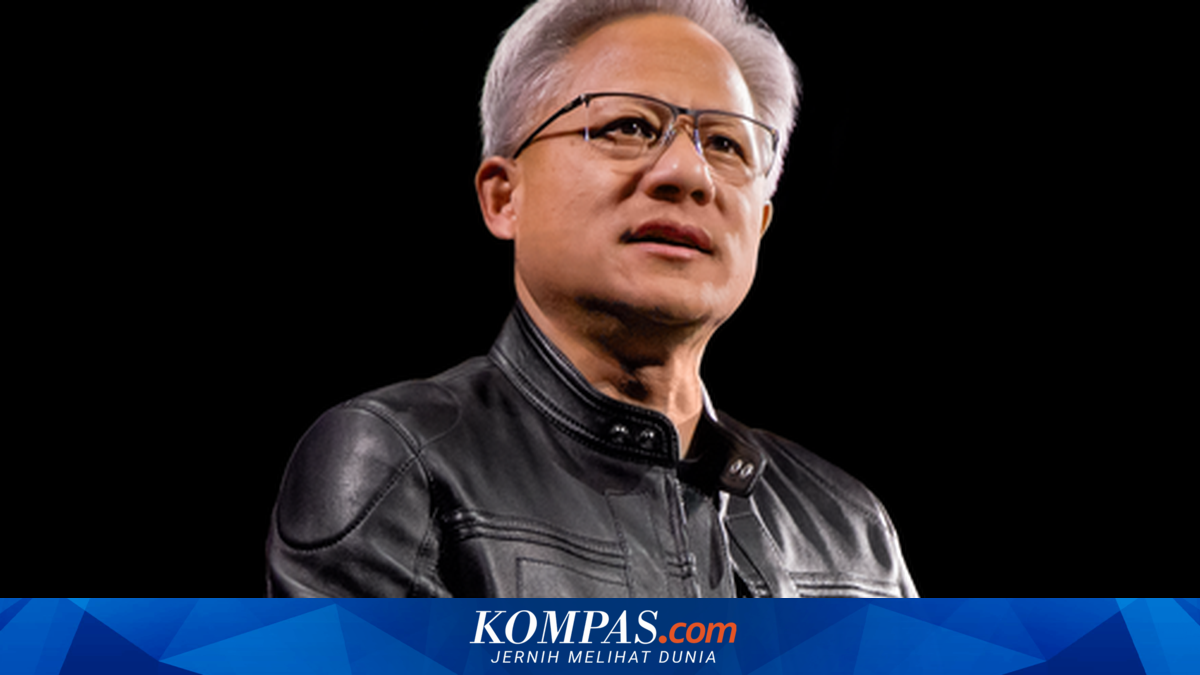
A wave of layoffs driven by artificial intelligence (AI) is emerging as a trend in the technology sector. Companies such as King, the developer of Candy Crush, have openly admitted replacing human workers with AI. Meanwhile, Meta (parent company of Facebook) has cut thousands of jobs and increased AI infrastructure spending. Amid this trend, Nvidia CEO Jensen Huang has expressed optimism, telling new university graduates that AI presents opportunities for the younger generation. ‘Now is the time for you to realise your dreams, and the momentum could not be more perfect,’ Huang told graduates. According to Huang, AI acts as a bridge closing the ‘technology gap’. Now, anyone has access and the ability to build something beneficial, which will ultimately open new opportunities for the younger generation in the years ahead. This optimistic statement reflects Huang’s own journey. The 61-year-old, now with a net worth of approximately $186 billion (around Rp 3.1 trillion), started from scratch. He graduated from Oregon State University with an electrical engineering degree in 1984, then earned a master’s in the same field from Stanford University. Huang founded Nvidia in 1993, just as the internet revolution began. He seems to see today’s graduates standing on the brink of a similar major revolution. However, Nvidia’s CEO optimism starkly contrasts with growing public anxiety over AI. This anxiety is not unfounded. A Pew Research Center study found around half of Americans feel ‘more worried than excited’ about the increasing use of AI in daily life. Many US citizens are actively opposing new data centre construction in their areas, despite these facilities being the backbone of AI products such as chatbots. For new graduates, AI is also making job hunting more difficult, with interview processes becoming longer and more complex.