
AI-Based Adaptive Radiotherapy Arrives, Ushering in a New Era of Cancer Treatment
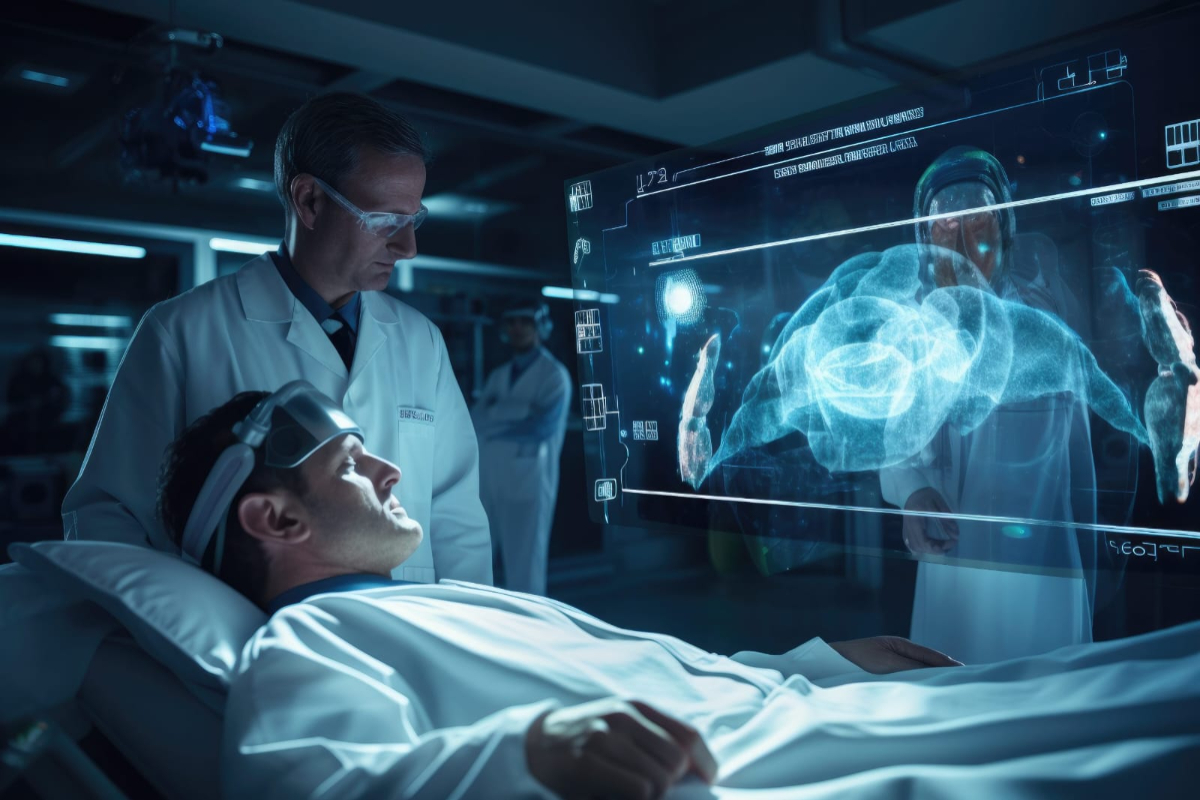
The global oncology landscape has noted that nearly 50% of cancer patients require radiation therapy. Currently, the emergence of Adaptive Radiotherapy AI technology is officially redefining the landscape of cancer treatment. This technology enables doctors to adjust radiation doses and targets in real-time to follow changes in a patient’s body. For patients and families, this innovation brings new hope for safer treatment, minimal side effects, and much faster recovery.
AI-based adaptive radiotherapy is an advanced form of radiation therapy where artificial intelligence continuously analyses patient imaging data. The AI is responsible for automatically altering the direction and dose of radiation to respond to changes in tumour position, patient anatomy, and organ movement during the treatment process. Unlike traditional radiation, which uses a single static plan from the start, this modern technology integrates several cutting-edge innovations.
Tumours within the body are never static; they can shrink, shift, or change shape due to patient weight loss, breathing movements, or the activity of the intestines and bladder. Using conventional radiation, these small shifts risk causing radiation to miss the target or hit healthy tissue. Patients who lack access to adaptive radiotherapy risk missing the opportunity for real-time radiotherapy, which works by synchronising radiation beams with the natural movements of the patient’s body.
For example, in lung cancer, tumours move up and down following the patient’s breath. In older systems, doctors were forced to expand the radiation area ‘just in case’, which ultimately damaged healthy lung tissue. With AI, the system can monitor these movements and fire radiation only when the tumour is in the correct position. This Adaptive Image-Guided Radiation Therapy (IGRT) provides extraordinary clinical benefits, particularly for tumours located near vital organs or those vulnerable to body movement.
While the machines used are highly intelligent, the role and expertise of oncology specialists remain the primary determining factor in patient recovery. AI technology requires validation and mature clinical decisions from experienced doctors. Dr Mathangi J, Senior Consultant and Head of Radiation Oncology at Gleneagles Cancer Institute Bangalore, combines this artificial intelligence with clinical expertise in advanced techniques such as SRS/SBRT, RapidArc, and guided brachytherapy. The presence of expert doctors ensures that the data analysed by AI is executed with empathy and precise medical accuracy.
The future of cancer treatment has arrived through intelligent, personalised, and adaptive care. Adaptive Radiotherapy AI is no longer just a tool, but a new standard in providing the highest protection for healthy tissue while delivering the most lethal blow to cancer cells. In facing cancer, choosing adaptive technology and the right medical team early on is a crucial step toward increasing the chances of recovery and patient quality of life.