
AI and Economic Growth: Singapore and Indonesia Embrace a Technology-Driven Future
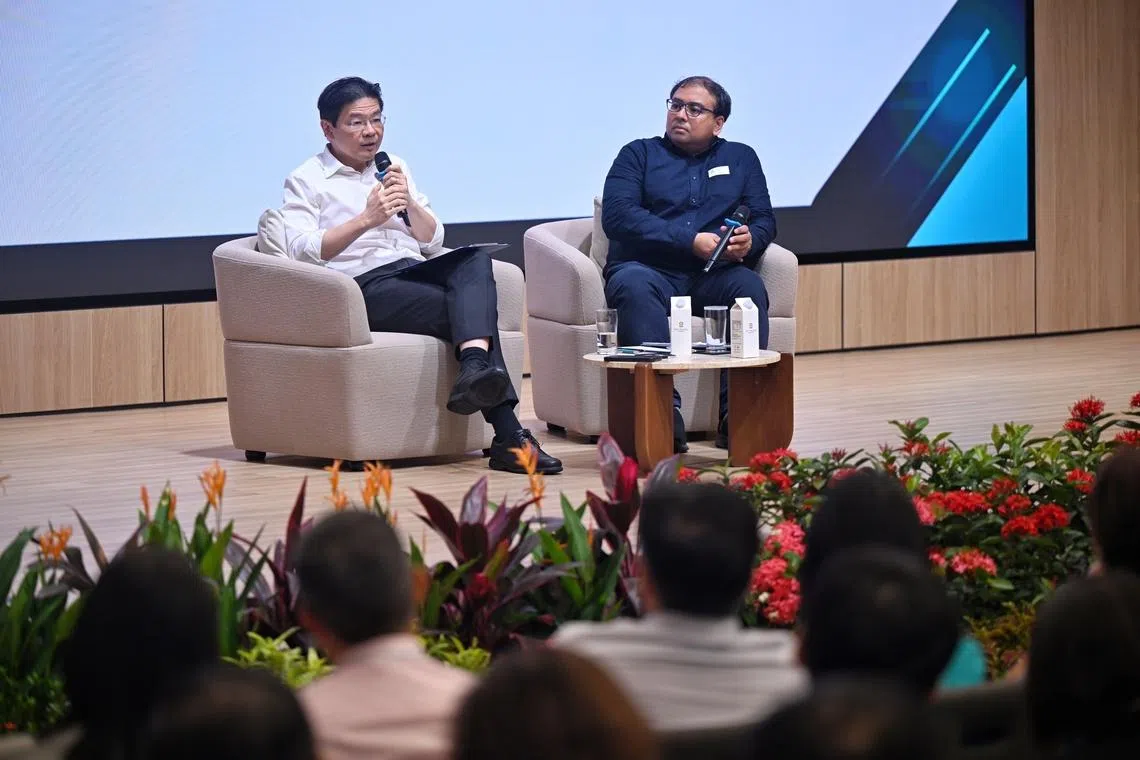
Leaders highlight artificial intelligence as a key driver of productivity and competitiveness
Artificial intelligence is playing an increasingly important role in economic policy across Southeast Asia, with Singapore and Indonesia promoting the technology as a tool to support growth, innovation, and long-term competitiveness.
AI Seen as a Driver of Economic Growth
Singapore Prime Minister Lawrence Wong has identified artificial intelligence as a potential “game changer” for cities facing labor shortages, emphasizing its ability to improve productivity and support economic growth. Speaking at a dialogue with the Singapore Press Club on June 8, Wong said AI could help economies overcome workforce constraints while enabling businesses to operate more efficiently and competitively.
Singapore Accelerates AI Adoption
Singapore has expanded its national AI strategy in recent months, with the government introducing new initiatives to encourage businesses and workers to adopt AI technologies. Wong has stressed that while AI will transform industries and reshape jobs, the goal is to ensure workers benefit from productivity gains rather than being left behind. The government is also investing in workforce upskilling and AI readiness as part of efforts to strengthen Singapore’s position as a global technology hub.
Indonesia Sees AI as an Economic Opportunity
Indonesia is also advancing its digital transformation agenda, viewing AI as a strategic tool to boost productivity and strengthen economic resilience. Government officials have highlighted the technology’s potential to support businesses, improve public services, and accelerate innovation across key sectors. As Southeast Asia’s largest economy, Indonesia has identified digital technologies as an important component of its long-term growth and competitiveness strategy.
Balancing Innovation and Workforce Development
While enthusiasm for AI continues to grow, policymakers in both countries acknowledge the need to manage its impact on employment. Many experts argue that the greatest economic benefits may come from using AI to augment human capabilities rather than replace workers entirely. This approach could help businesses increase efficiency while creating opportunities for employees to focus on higher-value and more complex tasks.
Regional Competition and Future Growth
As global competition in AI intensifies, Singapore and Indonesia are pursuing strategies that combine technological innovation with workforce development. Their efforts reflect a broader regional trend toward embracing digital transformation as a driver of economic growth. Success will depend not only on adopting new technologies but also on ensuring businesses, governments, and workers can adapt to a rapidly evolving digital economy.
The growing focus on artificial intelligence highlights a shared ambition across Singapore and Indonesia to strengthen productivity, economic resilience, and global competitiveness. As both countries expand their AI capabilities, their experiences could serve as an important model for how Southeast Asia leverages technology to support sustainable growth and future workforce development.
Sources: VOI (2026) , Straits Times (2026)
Keywords: Artificial Intelligence, Singapore Productivity, Indonesia Digital Economy, AI Adoption, Economic Growth, Workforce Transformation