
AI Agent Experiments: How IT Students Can Master Modern Technology
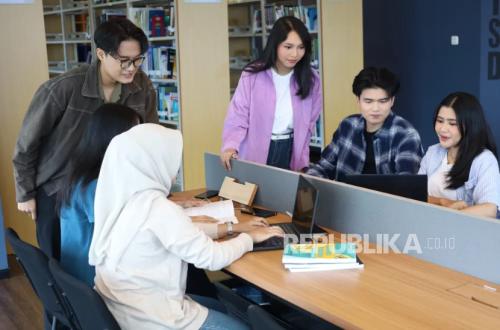
The development of artificial intelligence (AI) is creating opportunities for students not only to use technology, but also to experiment with it and build AI-powered systems. One technology worth exploring is the AI agent: a system that can understand instructions, determine the steps to take and use specific tools to achieve a goal. Learning about this technology can be valuable for IT students seeking to develop deeper expertise in artificial intelligence.
One example is OpenClaw, an open-source project that enables users to run an AI assistant through various communication platforms and connect it to a range of supporting tools. By experimenting in a separate environment, students can learn how AI agents work, test configurations and understand the challenges of applying the technology in practice. This hands-on approach offers a broader understanding of AI development than simply relying on instant chatbot responses.
Artificial intelligence is advancing rapidly, moving beyond technology that merely answers questions towards intelligent systems capable of helping with complex tasks. AI agents are one of the technologies driving this development. They can process instructions and use particular tools to achieve specified goals. Unlike conventional chatbots, which generally focus on text conversations, AI agents can carry out workflows according to their capabilities, configuration and available access.
OpenClaw is one example: an open-source AI assistant that can connect flexibly to various communication platforms, AI models and other tools. With suitable configuration, it can help manage daily tasks, interact with digital services and perform automated actions in response to user instructions. Its operational capabilities depend heavily on the AI model, system integrations and permissions granted, so users need to understand the system’s fundamentals before making full use of its features.
For IT students, learning to use OpenClaw can provide an excellent way to understand AI agents in practice. Independent experimentation offers opportunities to explore AI-model integration, the use of tools, workflow management and system security. It also develops analytical and problem-solving skills, as technology development requires not only theoretical knowledge but also the ability to test configurations and evaluate results carefully.
IT students can learn to apply AI agents effectively through hands-on experiments with OpenClaw. The process involves more than installing the software: it also includes configuring the system, using AI models and testing different types of tasks. Running it on a separate device or system can be a good way to try the technology without disrupting normal activities, while providing a safer space to learn through technical experimentation.
The first step is to prepare a separate device or system on which to run OpenClaw. This helps keep technology experiments apart from everyday work, reducing the risk that tests of new configurations will disrupt routine activities. Before testing begins, students should carefully check the system requirements, make sure the necessary software is available and follow OpenClaw’s official installation guidance.
Once installation is complete, students can explore how OpenClaw connects to AI models and supporting tools. These settings determine how an agent processes instructions and carries out tasks within the system’s capabilities and access rights. Students can thereby see that the application of AI depends not only on the model being used, but also on how effectively the system connects different services to complete tasks.
Initial experiments can involve simple tasks, such as summarising key information, preparing a daily to-do list or processing sample data. Students can observe how OpenClaw interprets text instructions, determines the steps needed and produces an output. They can then compare the result with the original objective to assess whether the agent completed the task accurately. This helps them identify both the capabilities and limitations of AI agents in carrying out work.
Technical experiments will not always go smoothly. Configuration errors, network problems or unexpected outputs can provide valuable opportunities to practise problem-solving and debugging. Students can inspect system logs, review configuration parameters and try to resolve issues step by step. This experience helps them identify the causes of errors and find solutions through testing—a useful skill in professional software development.
Alongside learning how the system works, students must also pay attention to data security when running OpenClaw. An agent connected to important files, personal accounts or external services may have permission to take certain actions on the system. Using non-sensitive sample data, limiting permissions, protecting account credentials and checking tools before using them are therefore crucial safeguards. These practices help students experiment more safely and foster a sense of responsibility in developing AI-based systems.
Experiments with OpenClaw can help IT students gain a deeper understanding of how AI is applied while developing practical technical skills. Each stage—from configuring the system and connecting digital services to resolving technical problems—offers valuable experience in understanding how the system works as a whole. This practical experience can also strengthen critical thinking, problem-solving and technology evaluation, all of which are important in developing modern digital solutions.
A strong understanding of information technology should extend beyond using off-the-shelf software or writing code. Students also need to understand system integration architecture, data management, network infrastructure and information security so they can design solutions that meet users’ real needs. As AI adoption grows across industries, the ability to connect technological innovation with real-world problems will give future professionals a competitive advantage. Access to higher education that supports the development of practical skills is therefore an important factor for young people seeking careers in technology.
One modern learning model that bridges academic study and industry experience is Cyber University’s Company Learning Program (CLP) 3+1. The programme is designed to combine three years of campus-based study with a year of hands-on placements at partner companies. Its curriculum gives students opportunities to develop technical competencies while understanding the needs of the fast-moving digital industry.
For prospective students interested in information technology and keeping up with developments in artificial intelligence, choosing an educational institution is an important part of planning a career. Cyber University offers the CLP 3+1 programme, combining academic study with professional placement experience. Prospective students can also seek information about scholarship programmes to find financial support suited to their needs.
Cyber University, which describes itself as “Shaping Future Digital Leaders”, says it aims to prepare young people for professional careers through its Information Technology programme. It promotes industry-based curricula and the CLP 3+1 programme, which combines three years of academic study with a year-long placement at a partner company. The university also offers scholarship programmes and invites prospective students to apply through its official website, cyber-univ.ac.id, or contact its admissions service.