
Ahmad Luthfi Calls for Joint Action to Tackle Waste in Central Java
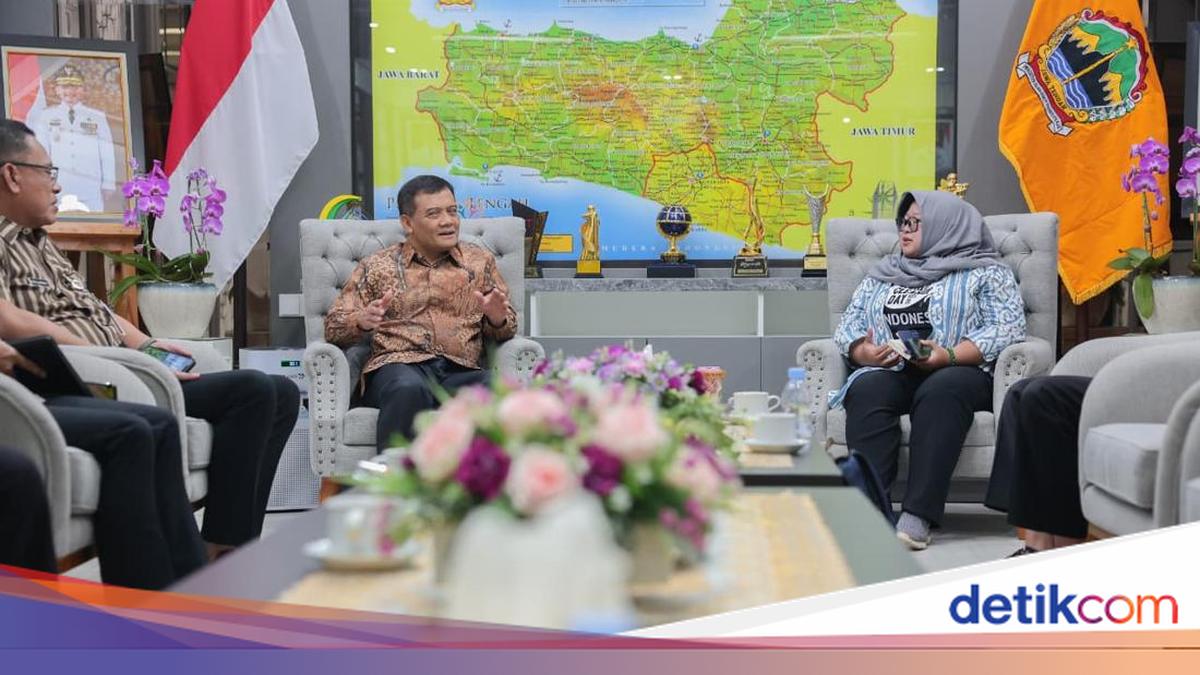
He explained that several regions in Central Java have already implemented waste management tailored to their local conditions and needs, including the development of refuse-derived fuel (RDF) facilities in Cilacap and Banyumas. He also encouraged other areas to strengthen integrated waste management.
Luthfi voiced his support for the series of World Cleanup Day (WCD) 2026 events in Central Java. He stated that the movement could serve as a momentum to strengthen public awareness and involvement in tackling waste issues. “The most fundamental thing is awareness. Therefore, this activity is a very good momentum. I agree, we will support it,” Luthfi said in a press statement on Tuesday (11/8/2026). The remarks were made during an audience with the Central Java WCD committee in Semarang.
Luthfi expressed hope that the WCD movement would not stop at a single clean-up event but would be implemented sustainably. He also hoped its implementation would reach more areas and involve regents, mayors, and all stakeholders.
Central Java WCD Leader Septiany Punti Dewi said the eighth edition of the event would take place from 17 August to 28 October 2026, under the theme “Youth Clean-Up to Liberate from Waste.” She noted that World Cleanup Day is observed in over 200 countries, with Indonesia being one of them. “Alhamdulillah, Central Java has consistently ranked first for the highest number of volunteers,” she said.
According to Septiany, this achievement was made possible by support from various parties, including the government, environmental agencies, communities, and volunteers. Through the audience with the Governor, she hoped support for the movement could be expanded. “We hope this activity becomes a trigger. People may see World Cleanup Day as just a one-day event, but what we have done goes beyond that. We also provide mentoring and education to universities, schools, and villages,” she said.
WCD Central Java Programme Coordinator Purnawirawan added that one of the ongoing activities is the Zero Waste School programme in Kudus Regency. “We also target teachers because they must set an example for children. Schools, as places of learning, need to instil awareness in students. The hope is that these habits will then be applied at home,” he said.
Purnawirawan noted that the biggest challenge in waste management is the mindset of some people who believe that waste issues are solely the government’s responsibility. Therefore, in addition to continuous education, the enforcement of regulations and sanctions needs to be strengthened. This would encourage the public to take responsibility for the waste they produce from the source.
WCD Central Java has also assisted a university in implementing a zero-waste programme. In 2024, the campus managed to reduce its residual waste to around 10 per cent of the total. Waste with economic value was sold, and the proceeds were used to help provide scholarships for students. By 2025, the campus had reportedly achieved zero waste. This success will be developed as a learning model for other higher education institutions in implementing sustainable waste management.