
Ahead of the NU Congress: Hopes for a New Era
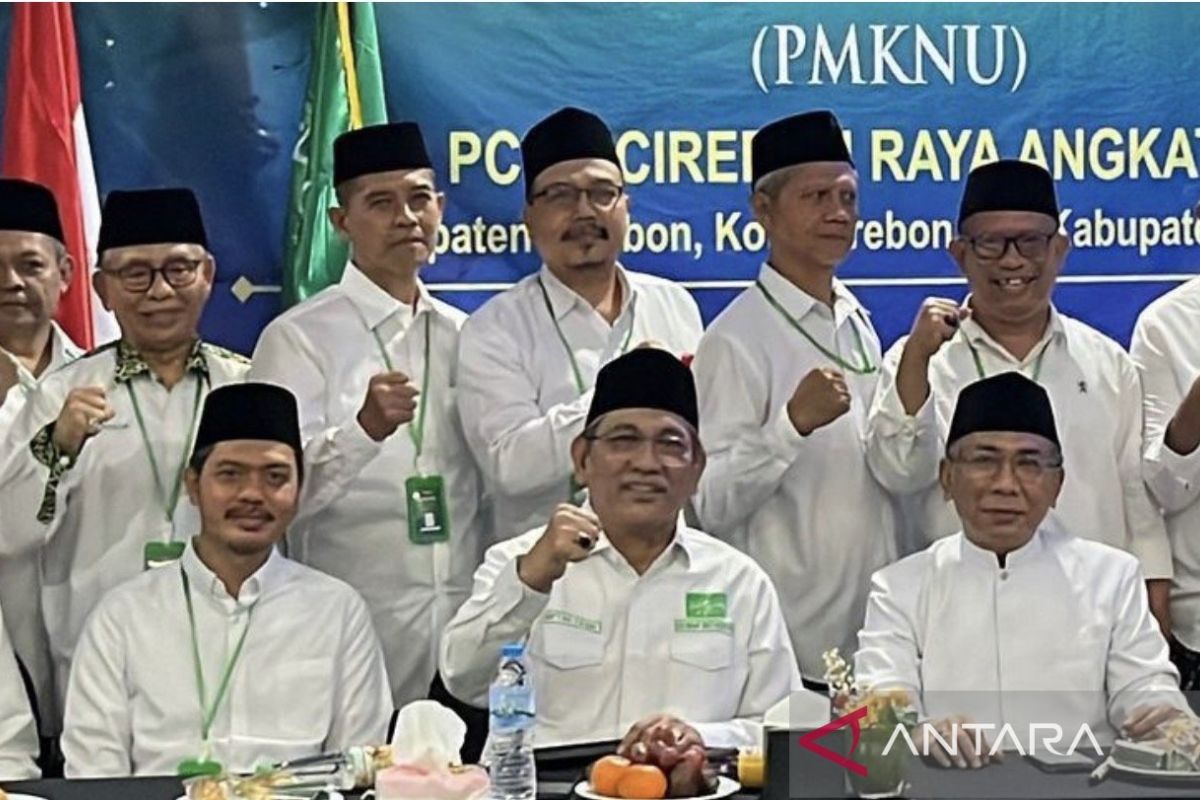
Jakarta (ANTARA) - As the Nahdlatul Ulama Congress approaches, the public was surprised by the presence of several influential young clerics in the Nahdlatul Ulama Middle Leadership Education (PMK-NU) event in Cirebon.
Names such as KH Imam Jazuli, Gus Yusuf Khudhori, Gus Miftah, Gus Ipang, Gus Machasin, KH Imam Baihaqi, KH Dr Aguk Irawan, and Gus Rosikh are not ordinary figures within the dynamics of NU.
They have long been known as young figures with strong influence in cultural spheres, close to the community, actively involved in building public discourse, and possessing the courage to express critical views for the advancement of the organisation and the nation.
This phenomenon has attracted widespread attention because it occurs amidst an important moment leading up to the 35th NU Congress. Many see the steps taken by these young figures as a signal that NU is entering an interesting phase of regeneration.
A phase where cultural and structural pathways begin to find new common ground in order to present more tangible contributions to the organisation.
NU has long been known for its great strength in cultural aspects. The influence of clerics, Islamic boarding schools (pesantren), religious study groups (majelis taklim), traditions of knowledge, and close emotional ties with the community have become the main foundations that keep NU strong amidst changing times.
On the other hand, NU also has a large organisational structure that carries out various strategic functions in social, educational, religious, and national life.
The presence of young clerics in formal cadre development shows a new awareness that change cannot be built solely through cultural influence, but also requires direct involvement in the organisational system.
This is not just about positions or titles, but about how ideas, criticism, and energy for renewal can be presented more effectively through constitutional channels.
In recent years, NU’s internal dynamics have been a matter of public interest. Differences of opinion within a large organisation are natural.
Indeed, it is from these differences that spaces for dialogue, evaluation, and collective maturation emerge. Several young figures in NU are known to actively express criticism of various organisational issues, ranging from policy direction, public communication, to attitudes towards international issues.
However, interestingly, most of this criticism stems from a love for NU. The criticism arises not to undermine the organisation, but as a form of moral responsibility to ensure that NU remains on the path in accordance with the ideals of its founders.
Source: jawawa.id (https://jawawa.id/newsitem/ahead-of-the-nu-congress-hopes-for-a-new-era-1780664060)
Originally published by Antara (Indonesian) (https://www.antaranews.com/berita/5570451/menjelang-muktamar-nu-dan-harapan-lahirnya-energi-baru), translated from Indonesian