
Ahead of Spin-off, Maybank Syariah Relies on Digitalisation and Global Investment
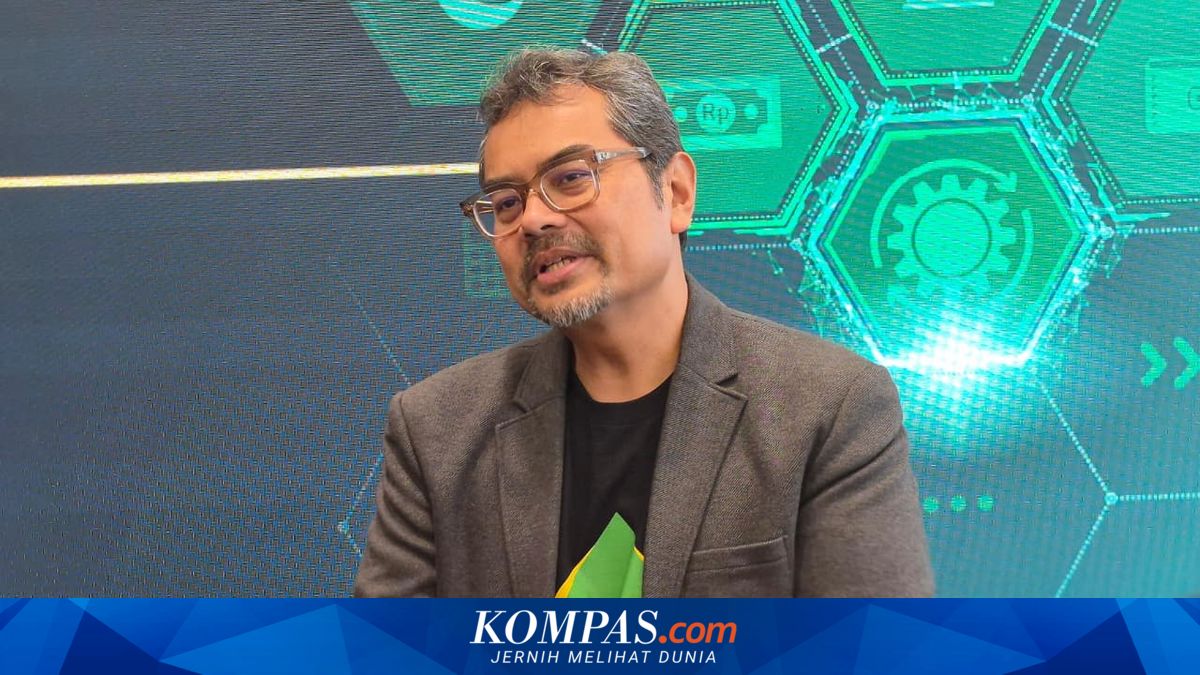
JAKARTA - PT Bank Maybank Indonesia Tbk is preparing a digital strategy to face competition in the banking industry ahead of the spin-off of its Sharia business unit (UUS).
Director of UUS Maybank Indonesia, Romy H. Buchari, stated that this step is being taken as the company nears the asset threshold that mandates the spin-off in accordance with Financial Services Authority (OJK) regulations.
“Our (assets) are already around Rp 44 trillion. Of course, we all know the threshold is Rp 50 trillion. It’s not far off, so we’ve started preparing from now,” Romy said at the launch of Amanah Pro in Jakarta on Wednesday (6/5/2026).
Therefore, the bank will face greater challenges, particularly in competing with large Sharia banks that have wider networks.
“And not just peers in Sharia banking but also in (conventional) banking. Because the way we look at Sharia or Islamic banking is that it’s an inclusive thing. Not only for certain individuals, but for everyone. Sharia banking is for everyone,” he added.
Given this situation, the company considers expanding Sharia business through opening bank branches not a realistic strategy.
This strategy is also deemed more efficient in meeting customer needs that are increasingly shifting to technology-based services.
“That’s why we’re not in the position to start building 2,000 branches physically. Very difficult. But we will need to be able to capture the markets. That’s why digital is a big enabler,” he explained.
In this context, Maybank has launched the digital platform Amanah Pro, focused on supporting the Sharia services ecosystem, including needs for Hajj and Umrah pilgrimage travel.
“And we hope again, this (Amanah Pro) will be a legacy that will be brought forward to the new entity when the time comes,” Romy said.
In addition to strengthening the domestic ecosystem through digitalisation, Maybank is also utilising its global network to attract foreign investment, including from the Middle East region.
These investors will be directed to undertake new large-scale projects in Indonesia.
“That’s what we want to do. We want to be, again, we want to be a mainstream motor or engine for the Indonesian economy. Not just a niche,” he concluded.