
Ahead of Mandatory Halal Certification, Perkosmi Highlights Imported Raw Material Concerns
The Indonesian Cosmetics Association (Perkosmi) has called on the government to consider the industry’s readiness in implementing mandatory halal certification, which is set to take effect from 18 October 2026. A primary concern is the industry’s heavy dependence on imported raw materials, which currently stands at approximately 90 per cent.
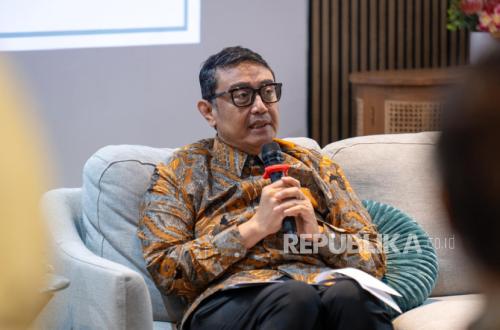
Perkosmi Chairman Sancoyo Antarikso stated that the association has communicated various challenges faced by businesses to regulators. He noted that while Perkosmi does not reject the halal certification mandate, the regulation should be applied realistically, taking into account the current state of the cosmetics industry’s supply chain.
“We do not reject it. We recognise that for the comfort and health benefits of Muslims, who make up 87 per cent of Indonesia’s population, this is necessary. However, it must be accompanied by supporting infrastructure and regulations that assist us in successful implementation,” Sancoyo said on Tuesday (1/9/2026).
One of Perkosmi’s proposals is to focus the mandatory halal certification on cosmetic ingredients derived from slaughtered animals. This proposal has been submitted to the government, but Perkosmi is still awaiting a definitive follow-up.
Sancoyo emphasised that the raw material issue is critical because most cosmetic ingredients are still sourced from abroad. As the deadline approaches, the industry fears that not all overseas raw material producers will be able to comply with the halal certification process.
“90 per cent of our materials are still imported, and it is not certain that all of those producers can undergo halal certification,” he said.
According to Perkosme data, approximately 56 per cent of cosmetic products are already halal-certified. This figure was derived by comparing the number of products holding halal certificates from the Halal Product Assurance Agency (BPJPH) against the number of cosmetics with active distribution permits from the Indonesian Food and Drug Authority (BPOM).
A readiness survey conducted by Perkosmi involving 243 respondents between December 2025 and May 2026 indicates significant work remains. Approximately 10 per cent of respondents have obtained halal certification for all their products, over 40 per cent have it for some products, and more than 40 per cent do not yet possess halal certification.
Perkosmi’s Head of Scientific Technical Affairs, Riva Dwitya Akhmad, stated that the implementation of Halal Product Assurance requires adequate infrastructure, regulatory certainty, clear guidelines, sufficient transition periods, and good coordination with businesses. He noted that the specific characteristics of the cosmetics industry must be considered, as the industry uses diverse raw materials with long supply chains, making ingredient traceability, documentation, and global supplier readiness vital for halal compliance.
Sancoyo added that the Indonesian cosmetics industry holds great potential due to strong demand for beauty products. Therefore, collaboration between the industry and the government is essential to ensure that halal regulations do not hinder production and innovation.
He noted that limited choices of halal-compliant raw materials could potentially impact product development. The industry may struggle to innovate if it relies solely on currently available and certified ingredients. “We need collaboration with all policymakers so that we can become a large industry in Indonesia and also expand abroad. Large not just in Indonesia, but also internationally,” said Sancoyo.
The mandatory halal certification for cosmetic products is a mandate of Law Number 33 of 2014 concerning Halal Product Assurance, further regulated by Government Regulation Number 42 of 2024. These provisions will come into effect on 18 October 2026.
Perkosmi hopes the government can ensure the implementation of these rules is practical for businesses, while maintaining the objectives of halal product assurance and creating opportunities for the Indonesian cosmetics industry to become increasingly competitive in the global market.