
Ahead of Main Harvest, Tangse Coffee Farmers Fear Price Slump
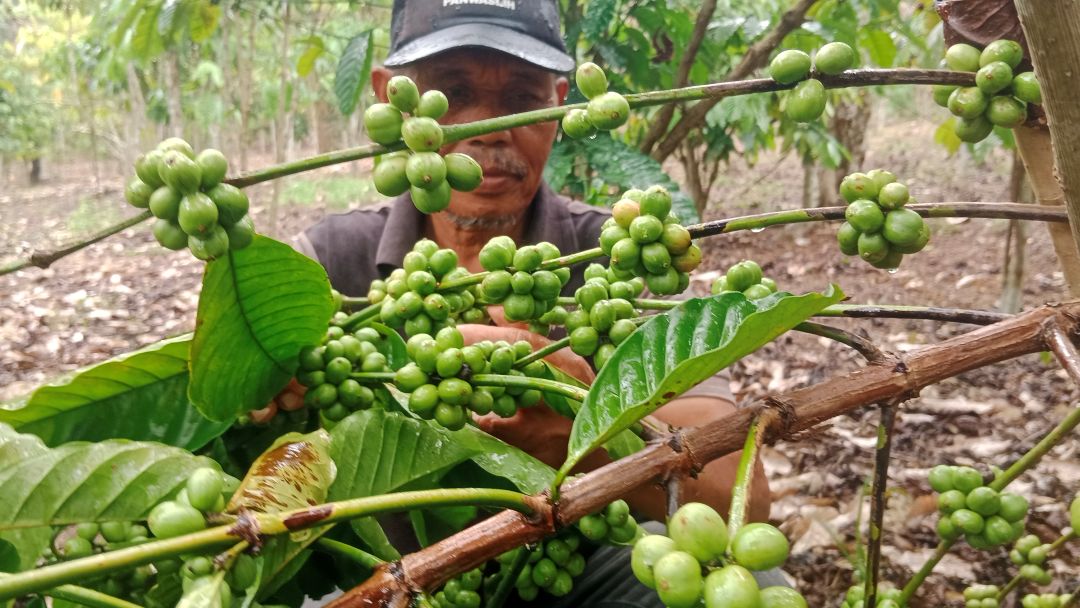
Coffee farmers in the Mount Halimun slopes, Tangse District, Pidie Regency, Aceh, are anxious ahead of the main harvest season, which is expected to take place between November and December 2026. They fear that coffee bean prices will drop again due to price manipulation by collectors and middlemen.
The coffee-producing area includes Gampong Blang Pandak, Ranto Panyang, and parts of the Blang Dhot region. The coffee produced by local farmers is known for its distinctive aroma and serves as one of the primary plantation commodities for the people of the Tangse highlands.
Harvest times in several areas of Tangse do not coincide. Some regions have entered the harvest period from April to September 2026, while the Mount Halimun slopes are expected to reach the peak harvest only in November and December.
Differences in harvest timing are influenced by the non-simultaneous flowering periods of the coffee plants. In Gampong Ulee Gunong, for instance, coffee plants enter the flowering stage earlier. Meanwhile, in the Mount Halimun slopes, including Blang Pandak, the fruiting period differs. A one to two-month difference also occurs in Jambo Mie, Krue Meriam, and Peunalom.
Farmers fear that prices will fall again when production increases during the peak harvest. This concern stems from experiences in previous harvest seasons, where coffee prices tended to decline once the main harvest commenced.
According to investigations, the prices of the three main types of coffee in Tangse are currently experiencing a decline compared to the start of the harvest season. Robusta coffee, which previously reached Rp65,000 per kilogram, is now around Rp60,000 per kilogram. Arabica coffee has dropped from Rp90,000 to Rp80,000 per kilogram, while Liberica (or ‘panah’ coffee) has fallen from Rp62,000 to Rp55,000 per kilogram.
Fakhruddin, a community leader in Tangse, a Forest Warden for Pidie Regency, and a coffee farmer, stated that the price decline has the potential to continue during the peak harvest.
“It has become a habit; when the harvest season arrives, prices drop. Collectors and middlemen often argue that because supply is abundant, prices must fall. That is an illogical reason. How could a harvest in Pidie affect global market prices?” Fakhruddin said on Wednesday (9/9).
According to him, farmers face a weak bargaining position because most of the harvest is sold to collectors. This condition makes it difficult for farmers to determine selling prices when production increases.
Fakhruddin lamented that this situation continues without adequate supervision, despite coffee plantation yields being the primary source of income for families to meet basic needs, including children’s education costs.
Coffee has been a source of livelihood for generations in the Tangse, Mane, and Geumpang districts. Consequently, farmers hope the government will strengthen trade supervision and create a fairer marketing mechanism.
Another coffee farmer, Nurdin, stated that the selling price of coffee beans does not yet fully reflect the true value of the commodity. “Because the harvest price of coffee beans is not as pleasant as the aroma of brewed coffee, prosperity does not favour the farmers. Prosperity always flows downstream,” Nurdin remarked.
Farmers hope that the government and relevant stakeholders will take steps to prevent trading practices that disadvantage farmers, especially leading up to the main harvest.
The total area of coffee plantations in the Tangse District is approximately 6,526 hectares, spread across 28 villages (Gampong) and the mountainous slopes of the highlands.
Source: jawawa.id (https://jawawa.id/newsitem/ahead-of-main-harvest-tangse-coffee-farmers-fear-price-slump-1789059203)
Originally published by Media Indonesia (https://mediaindonesia.com/nusantara/932153/jelang-panen-raya-petani-kopi-tangse-aceh-khawatir-harga-anjlok), translated from Indonesian