
Ahead of Labour Protection Bill Ratification, Apindo Warns of Impact on Business World
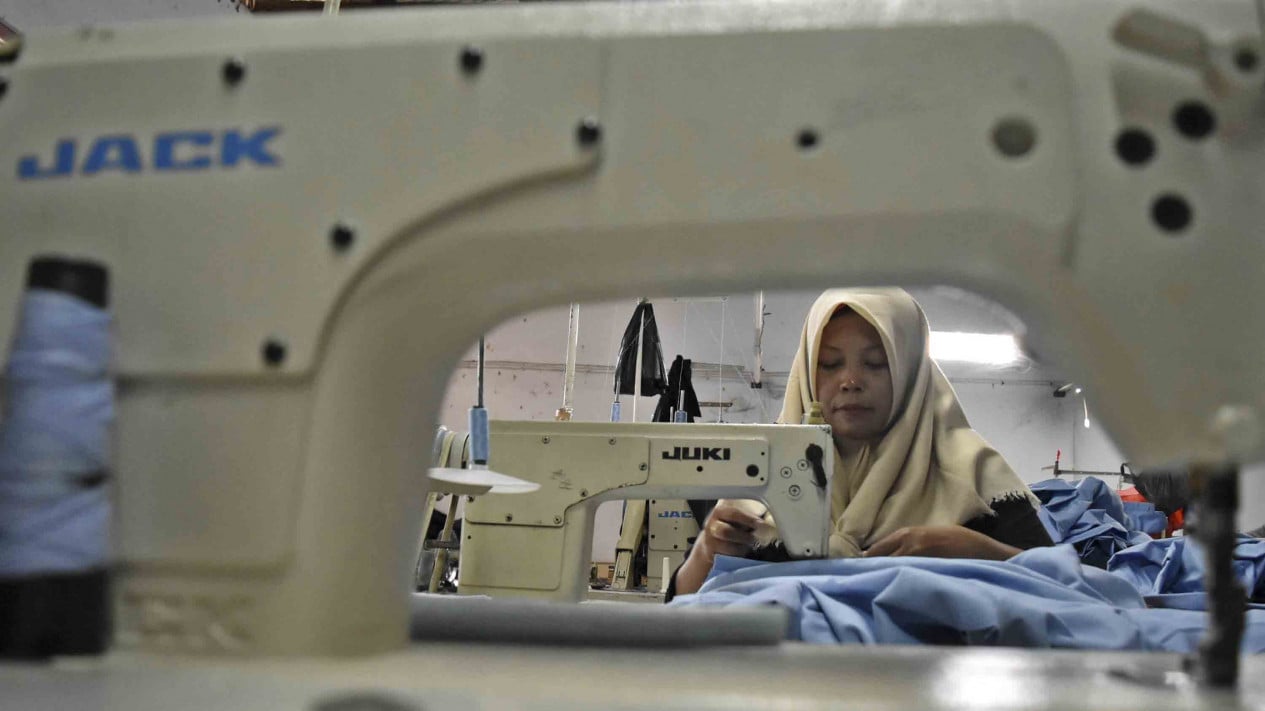
Jakarta, VIVA – The Indonesian Employers Association (APINDO) has requested that the discussions regarding the Labour Protection Bill do not focus solely on strengthening worker protections.
It is argued that the regulation must also address the challenges of job creation, increased productivity, investment, and business sustainability.
“Workers require certainty regarding rights and decent income, while job seekers require opportunities. To meet both needs, companies must be able to survive, invest, and recruit. Therefore, every new regulation needs to strengthen protection while simultaneously maintaining the business world’s ability to create jobs,” said the General Chairman of the APINDO Central Executive Board, Solihin, on Friday (2/10/2026).
Solihin believes that the renewal of labour regulations should serve as a momentum to build a system that is more adaptive to changes in the working world. Under a new legal umbrella, he stated, there must be a guarantee of certainty for workers’ rights while providing space for companies to adapt, invest, and open up employment opportunities.
According to Solihin, current labour challenges have undergone significant changes. Geopolitical conditions, global supply chains, technological developments, the transition towards a green economy, climate change, and investment competition demand that both workers and businesses become increasingly capable of adapting.
At the same time, Indonesia faces the addition of millions of new members to the workforce every year. Other issues include high youth unemployment, the large size of the informal sector, competency gaps, and the dynamics of layoffs (PHK).
Given these conditions, Solihin believes that every addition of obligations, restrictions on employment relationships, and expansion of sanctions must be thoroughly reviewed. Such an assessment is necessary to observe the impact on business continuity as well as the business world’s capacity to create jobs.
Labour regulations also need to consider sectoral characteristics, business scale, production patterns, labour needs, productivity levels, and the financing capabilities of each company.
“We must ensure that regulations intended to strengthen protection do not instead narrow the space for job creation. Labour reform must be able to address the needs of workers as well as the realities of the business world,” Solihin emphasised.
Concerns of the Business World
Previously, the General Chairwoman of Apindo, Shinta Widjaja Kamdani, also expressed the concerns of business actors should the Labour Protection Bill focus only on worker protection without accounting for the conditions of the business world and the ability of companies to create employment.