
Ahead of KAI's 81st Anniversary, Tracing the Railway Lines that Shaped Java's North Coast Cities
Jakarta (ANTARA) - Every railway line carries a story regarding the development of the regions it traverses. Ahead of the 81st Anniversary of PT Kereta Api Indonesia (Persero) on 28 September 2026, KAI is inviting the public to rediscover the long journey of Indonesian railways through historic routes that are closely linked to urban growth, economic activity, and public mobility.
The commemoration of Indonesian Railway Day every 28 September refers to the momentum when Indonesian railway workers seized control of the railway company from Japanese hands on 28 September 1945. This event serves as a significant milestone in the history of railway management by the Indonesian nation.
One such historical footprint is found in the Semarang–Cheribon Stoomtram Maatschappij (SCS). This private railway company, established during the Dutch East Indies era, built a network connecting the northern coastal regions of Java, ranging from Semarang to Cirebon.
The SCS line evolved in response to the needs of the community and the economic activities of the time. The presence of the railway network supported population mobility and the distribution of various commodities from production areas to trading hubs along Java’s northern coast.
The Semarang to Cirebon corridor possesses a long historical journey. Semarang became one of the important cities in the early development of Indonesian railways through the Semarang–Tanggung line in 1867. This area developed as a trading and port city with close ties to the economic activities of Central Java.
The SCS route subsequently traversed various cities, each possessing its own economic and cultural character. Pekalongan developed as a centre for batik trade and industry, Tegal played a role as a commercial and industrial city, while Cirebon grew as a coastal city with a long history as a hub for trade, culture, and the meeting of various societal influences.
KAI Vice President of Corporate Communication, Anne Purba, stated that the history of the railways provides an overview of the close relationship between transportation and regional development.
“Railways have a long history with Indonesia. Every line holds a story of how people move, how cities develop, and how economic activities grow alongside the journey of rail transport,” said Anne.
According to Anne, railway heritage is an important part of introducing the railway’s journey to the public while observing the development of current services.
“The historical traces of the railways show how trains continue to adapt to the needs of the community. From routes that once connected trading centres to the modern services of today, railways remain an integral part of people’s lives,” said Anne.
To this day, the areas along these historic routes still experience high levels of travel activity. The operational area of Daop 4 Semarang recorded 4,876,088 passengers during the January–August 2026 period, demonstrating the continued role of railways in supporting mobility across Java’s northern coast.
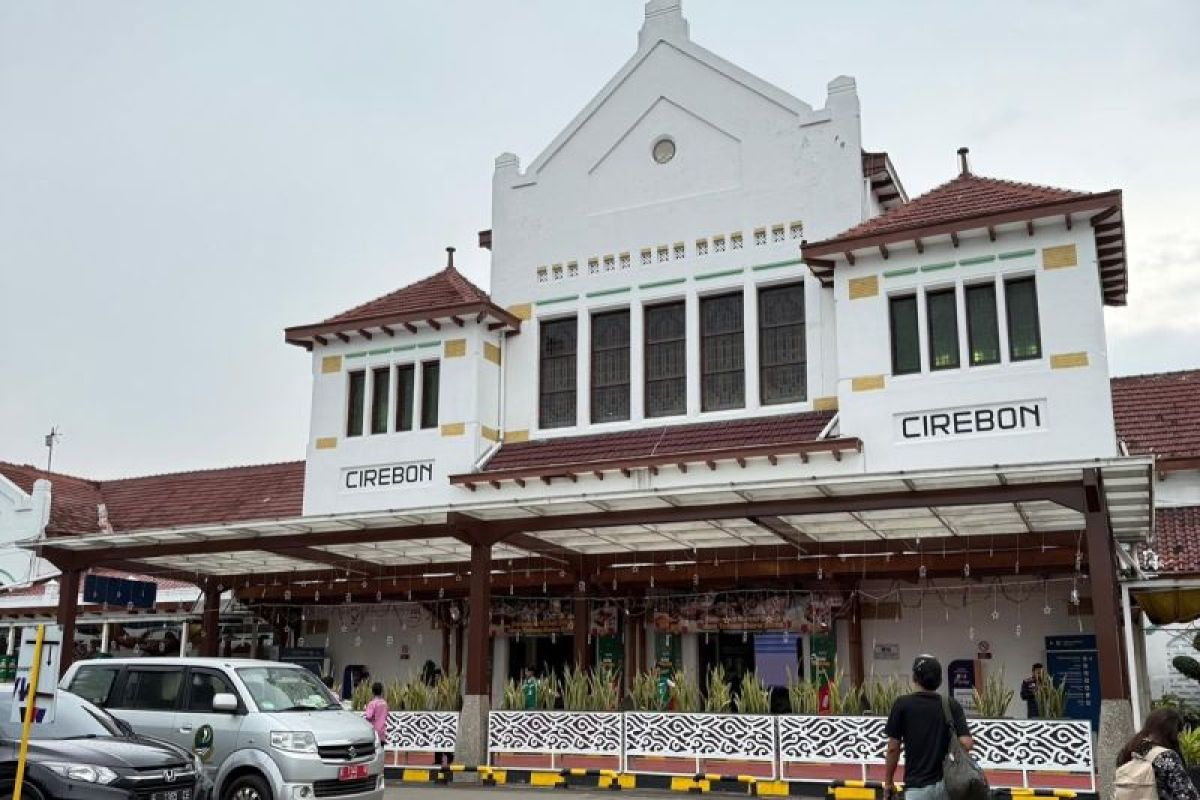
Meanwhile, Cirebon remains one of the vital areas in the railway network on Java Island. The existence of Cirebon Station and Cirebon Prujakan supports public mobility to various regions, while also serving as part of the historical journey of a city that developed through trade and inter-regional connectivity.
In addition to the SCS line, Indonesia possesses various railway heritages spread across different regions. These range from mountain routes using rack railway technology in Ambarawa and the Ombilin coal mining area in Sawahlunto, to various historic station buildings that remain part of the public’s journey.
Over time, the function of railways has continued to evolve. Routes that once supported trade and commodity distribution have now become part of public mobility, economic activity, tourism, and regional development.
From January to August 2026, the KAI Group served 351,602,397 passengers, demonstrating the significant role of railways in supporting the activities of the Indonesian people.
As KAI approaches 81 years of operation, various historical railway traces serve as a reminder that the railway has grown alongside the development of Indonesia. From historic routes to modern services today, every journey carries a story of cities, people, and the changing eras.