
Ahead of Hajj 2026, WiFi in Mecca and Medina Comes Under Scrutiny
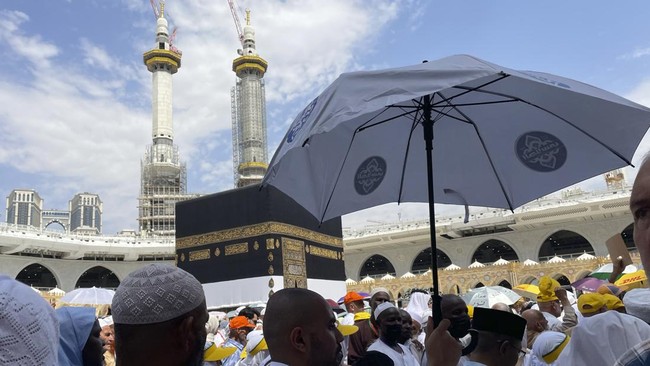
The quality of WiFi in hotels in Mecca and Medina is one of the important aspects for pilgrims ahead of the 2026 Hajj season. The influx of millions of pilgrims expected to arrive starting in May 2026 will drastically increase the need for high-speed internet in hotels.
However, the latest data from Ookla shows a large gap in network performance between hotels. Based on a report titled ‘Ready for Hajj 2026? Wi-Fi Preparedness of Luxury Hotels in Mecca and Medina’, only a small portion of luxury hotels in the two holy cities can provide very fast WiFi.
Of the 16 hotels reviewed up to February 2026, only three properties recorded median download speeds above 100 Mbps.
Swissôtel Makkah and Fairmont Hotel were the fastest with speeds of 152.17 Mbps and 148.87 Mbps respectively. Swissôtel Al Maqam ranked third with 124.47 Mbps.
Meanwhile, other hotels showed tiered performance, from the high category of 50-100 Mbps, the standard category of 15-50 Mbps which risks slowing down during peak hours, to the lagging category below 15 Mbps.
Hotels like Pullman ZamZam Makkah still managed to deliver speeds up to 86.42 Mbps, while Anwar Al Madinah Mövenpick recorded 78.42 Mbps.
Several other hotels such as Al Ghufran Safwah Hotel Makkah, Pullman Zamzam Madina, Hyatt Regency Makkah - Jabal Omar, and Millennium Al Aqeeq remained in the adequate range, between 18 Mbps and 38 Mbps.
Although some hotels recorded high speeds, the data also shows inconsistency in performance for some users. Even in the best hotels, the bottom 10% of users often experienced speeds below 15 Mbps. This indicates that some guests still face connectivity disruptions despite the hotel’s overall fast network.
These performance differences are influenced by network technology usage. Hotels with the fastest WiFi generally use Wi-Fi 6 and the 5 GHz band, which provide significant advantages over older devices. Conversely, hotels still using the 2.4 GHz spectrum and outdated devices face bottlenecks that slow down connections.
In addition to devices, other factors also determine network quality. If the ISP connection is inadequate, WiFi configuration is not optimal, or the hotel applies speed restrictions to cut costs, device upgrades will not have a significant impact. Hotel operators are advised to use a data-based approach to identify weak points and improve networks before the peak season.
The surge in internet needs during Hajj is indeed very large. The Saudi Statistics Authority recorded more than 1.6 million pilgrims performing Hajj in 2025. In the future, Saudi Vision 2030 targets up to 30 million pilgrims per year, so digital infrastructure needs will continue to increase.
Saudi telecommunications regulators also noted that mobile data usage during Hajj 2025 reached an average of 1.26 GB per person per day in holy sites, nearly three times the global average. This figure increased from 876 MB per user per day during the 2024 Hajj season.
To anticipate the traffic surge, operators have installed more than 10,500 WiFi access points in Mecca, Medina, as well as Mina, Arafat, and Muzdalifah. This infrastructure complements the near-complete 4G and 5G coverage.