
Ahead of Gibran's Diploma Dispute Ruling, Former Constitutional Court Judge Highlights Procedural System: Case Inadmissible
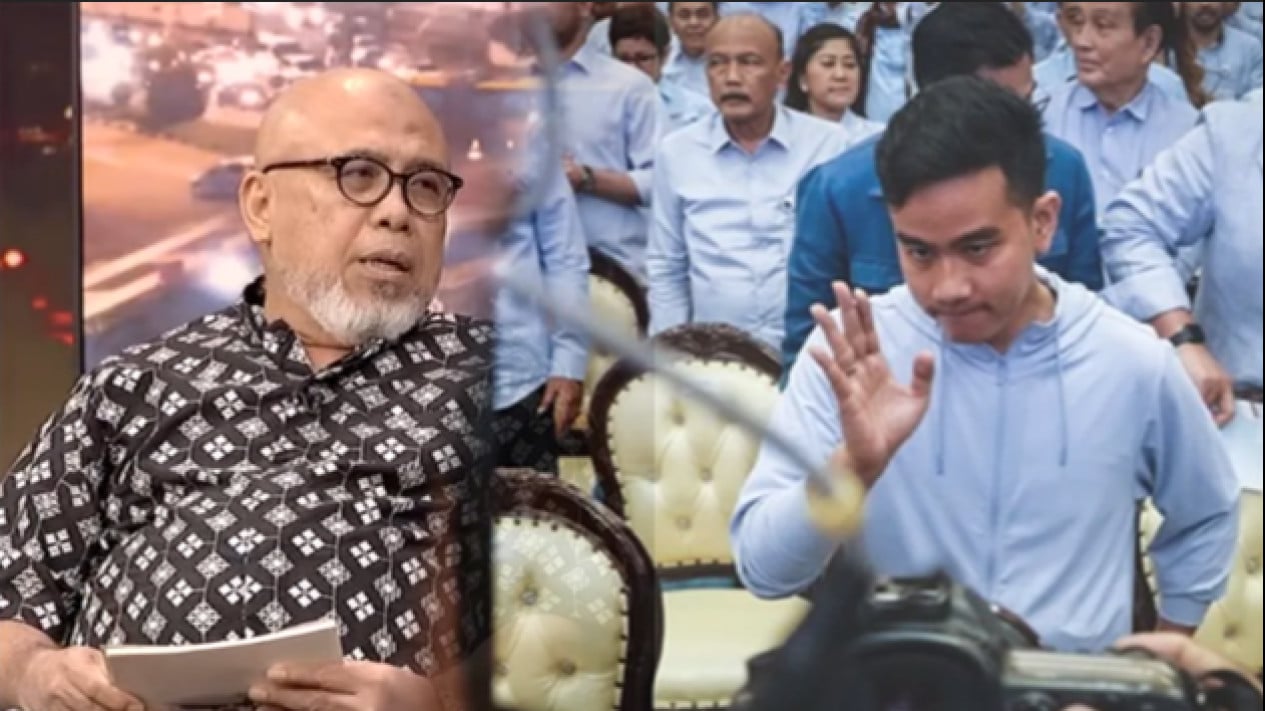
Ahead of the ruling by the Constitutional Court (MK) regarding the dispute over Vice President Gibran’s diploma, the case has drawn significant public scrutiny and commentary from various political elites, including former Constitutional Court Judge (2013-2017) Patrialis Akbar.
Regarding this matter, Patrialis Akbar does not wish to comment on the actual conduct of the court proceedings. Instead, he is examining the issue from a systemic perspective to avoid subjective judgement.
“After reading MK Regulation Number 1 of 2026 regarding the trial of election result disputes, which adopts MK Regulation Number 1 of 2024,” he noted.
“Back when I was a judge, we maintained that to adjudicate a case, there must be procedural law to ensure legal certainty,” he explained, as quoted from the tvOneness YouTube channel on Monday (5/10/2026).
He further explained that since the 2024 regulations regarding election result disputes exist, the time limit is a maximum of three days.
“The period for submission to the MK begins from the moment the KPU (General Elections Commission) announces the results,” he asserted.
He emphasised that the 2026 regulation was designed to accommodate specific needs.
“This is a 2024 election result dispute being submitted in 2026; you may draw your own conclusions regarding that issue (Gibran’s diploma dispute). That is the procedural law,” he elaborated.
Regarding time limits, based on his experience with both the legal system and the practices of the Constitutional Court in adjudicating election disputes, he noted a specific mechanism.
“We would first issue an interlocutory decision, or a dismissal, stating that cases that have exceeded the time limit are immediately inadmissible,” he stated.
When addressing the argument that petitioners have only recently discovered new evidence, he remarked that this is a matter that requires further discussion.
“I am merely presenting the system; how should the system function?” he asked.
Furthermore, he noted that, to his knowledge, in Presidential Elections, the petitioners are the candidate pairs.
“The related parties must also be the candidate pairs; that is how the system works. In this instance, I leave it to the public to judge, so that I do not interfere with the substance of the case,” he concluded.
Source: jawawa.id (https://jawawa.id/newsitem/ahead-of-gibrans-diploma-dispute-ruling-former-constitutional-court-judge-highlights-procedural-system-case-1791183292)
Originally published by VIVA.co.id (https://www.viva.co.id/berita/nasional/1933291-jelang-putusan-sengketa-ijazah-gibran-mantan-hakim-mk-soroti-sistem-perkara-tak-dapat-diterima), translated from Indonesian